From Sand to Shell: How to Care for Your Hermit Crab Like a Pro
Introduction to Hermit Crabs, Their Natural Habitat, and Why They Make Unique Pets
Welcome to the fascinating world of hermit crabs! These delightful creatures, scientifically known as Coenobita clypeatus, are not only charming but also offer a unique pet experience. Native to tropical and subtropical regions, hermit crabs thrive in environments rich with moisture and humidity. Unlike their terrestrial counterparts, these crabs spend part of their lives in the ocean, making their way back to land for breeding and molting. This dual lifestyle makes hermit crabs particularly interesting pets.
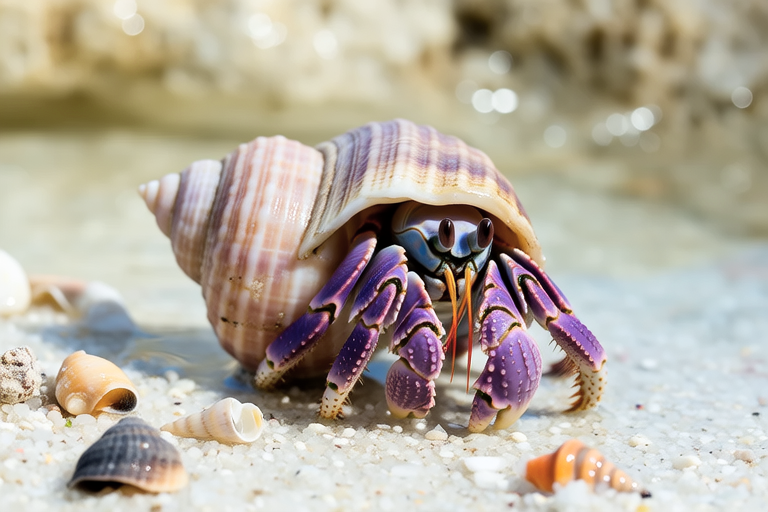
Hermit crabs are known for their ability to inhabit discarded mollusk shells, using them for protection from predators and harsh environmental conditions. In captivity, hermit crabs can live for several years, offering a long-term companionship. They are not only low-maintenance but also incredibly interactive, making them ideal pets for both children and adults. Their curiosity and playful behavior can bring endless joy and entertainment. With proper care, hermit crabs can be a rewarding addition to any household.
Setting Up the Perfect Habitat
The first step in caring for your hermit crab is creating an environment that mimics its natural habitat. The substrate you choose is crucial; sand and coconut fiber are popular choices. Sand provides a more natural environment, while coconut fiber retains moisture better. A mix of both can also be used to ensure optimal conditions. Ensure the substrate is deep enough for burrowing, at least three inches for a single crab.
Temperature and humidity play significant roles in the health of your hermit crab. Ideal temperatures range between 75°F and 85°F, with humidity levels maintained between 70% and 80%. To achieve this, you can use a combination of heating pads and humidifiers or misters. A larger tank, at least ten gallons for two to four crabs, provides ample space for exploration and activity.
Water Dishes: Freshwater and Saltwater Options
Providing fresh and saltwater dishes is essential for hermit crabs. Freshwater helps them maintain hydration, while saltwater supports shell health and provides minerals. Both dishes should be cleaned regularly to prevent bacterial growth. Chlorine-free water is recommended, either through dechlorination tablets or leaving tap water out overnight. Saltwater should be prepared using marine-grade aquarium salt, ensuring it does not contain iodine or other additives harmful to hermit crabs.
Shell Selection and Rotation
Shells are vital for hermit crabs, offering protection and a place to retreat. Providing a variety of sizes and shapes encourages natural behavior and promotes healthy growth. As hermit crabs grow, they will molt and need new shells. Rotate the shells in your tank every few weeks to ensure your crabs have access to different options. This process can be stressful for the crabs, so monitor them closely during molting periods.
Diet Specifics
Hermit crabs are omnivorous, enjoying a diet that includes fruits, vegetables, and proteins. Offer a variety of foods such as apples, bananas, carrots, and leafy greens. Protein sources like fish flakes or shrimp can be beneficial. Feed your hermit crabs once daily, removing uneaten food after 24 hours to prevent spoilage. Nutritional supplements can enhance their diet, providing essential vitamins and minerals. Always research and select high-quality products specifically formulated for hermit crabs.
Health Care
Common ailments include respiratory issues, shell disease, and dehydration. Signs of distress may include lethargy, loss of appetite, or unusual behavior. Regular observation and prompt action are key to maintaining your hermit crab’s health. If you notice any concerning symptoms, consult a veterinarian specializing in exotic animals. Early intervention can prevent minor issues from becoming serious problems.
Tips for Handling Hermit Crabs Safely and Building Trust
Handling hermit crabs requires gentle care. Always wash your hands before and after interaction to avoid transferring oils or chemicals. Use a soft brush or your fingers to encourage exploration and bonding. Frequent, positive interactions can help build trust, making your hermit crab more comfortable around you.
Conclusion
Caring for hermit crabs can be a rewarding experience. By setting up the perfect habitat, providing necessary resources, and understanding their dietary needs, you can ensure your hermit crabs lead happy and healthy lives. Remember, proper care and attention are essential for their well-being. With patience and dedication, you can enjoy the unique companionship of these fascinating creatures.
