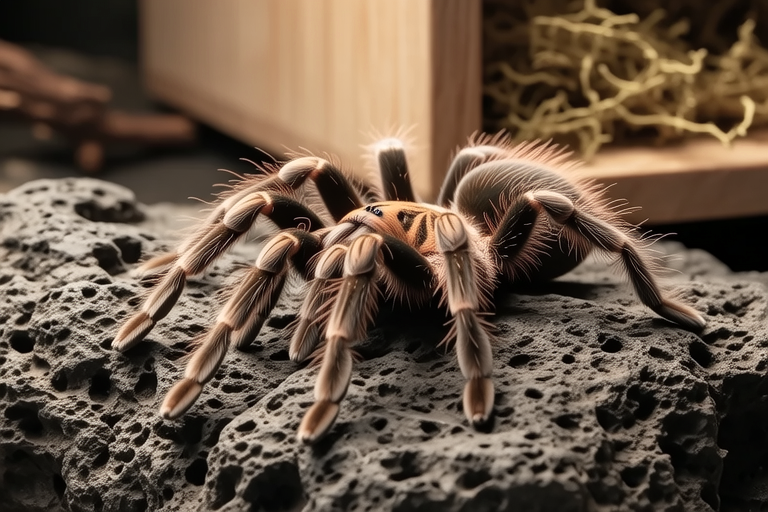
Debunking Tarantula Myths: A Comprehensive Guide for Responsible Ownership
Tarantulas have long been shrouded in mystery and misinformation, often leading to misconceptions about their temperament, care requirements, and suitability as household companions. This guide aims to clarify these myths and provide factual information to help prospective owners make informed decisions. By understanding the true nature of tarantulas, we can dispel common myths and promote responsible ownership.
Myth 1: Tarantulas Are Aggressive and Dangerous
One of the most pervasive myths about tarantulas is that they are aggressive and dangerous. In reality, tarantulas are generally shy creatures that prefer to avoid confrontation. They only bite when threatened or provoked, and even then, their venom is typically no more potent than a bee sting for humans. The primary defensive mechanism of many tarantulas is their urticating hairs, which they release when agitated. These hairs irritate the skin and eyes of predators but pose little danger to humans.
Factual Reality: Tarantulas Are Shy and Predatory
Tarantulas are primarily nocturnal hunters that spend most of their time in burrows or hiding spots. They rely on stealth and ambush tactics to catch prey, which includes insects, small vertebrates, and other arachnids. Their venom serves to immobilize and digest their prey rather than as a defense mechanism against larger threats. Understanding this predatory behavior can help owners create suitable environments for their pets.
Myth 2: All Tarantulas Make Good Pets
Another misconception is that all tarantulas are equally suitable as pets. While some species are docile and easy to handle, others are more skittish or aggressive, making them less ideal for beginners. Additionally, certain species have specific care requirements that may be challenging for novice owners to meet.
Factual Reality: Choose the Right Species for Your Experience Level
When selecting a tarantula as a pet, it’s crucial to consider your experience level and the specific needs of the species you’re interested in. Some popular choices for beginners include the Chilean rose tarantula (Grammostola rosea), the Mexican redknee tarantula (Brachypelma smithi), and the pink toe tarantula (Avicularia avicularia). These species are relatively calm, hardy, and well-suited for captivity. However, more advanced hobbyists may enjoy keeping species like the Goliath birdeater (Theraphosa blondi) or the Brazilian black widow (Phoneutria nigriventer), which require specialized care and handling techniques.
Myth 3: Tarantulas Require Minimal Care
Some people believe that tarantulas are low-maintenance pets that require minimal attention. While tarantulas don’t need daily interaction or feeding, they still require proper housing, temperature control, and regular maintenance to thrive.
Factual Reality: Proper Habitat Setup and Maintenance Are Essential
A well-designed enclosure is critical for the health and well-being of your tarantula. The enclosure should be spacious enough for the spider to move around comfortably and include hiding spots, substrate for burrowing, and appropriate humidity levels. Temperature and humidity should be monitored regularly to ensure they remain within the optimal range for the species. Additionally, the enclosure should be cleaned periodically to remove waste and prevent the buildup of harmful bacteria.
Myth 4: Tarantulas Can Survive on a Limited Diet
There’s a common belief that tarantulas can survive on a limited diet, such as crickets or mealworms. While these insects are staples in many tarantula diets, a varied diet is essential for their overall health and longevity.
Factual Reality: Dietary Needs Vary by Species
Different species of tarantulas have varying dietary preferences. Some species, like the Mexican redknee tarantula, primarily feed on crickets, while others, such as the Goliath birdeater, may consume larger prey items like mice or birds. It’s important to research the specific dietary needs of your chosen species and provide a balanced diet that includes a variety of insects and, if necessary, vertebrates. Feeding frequency also varies depending on the age and size of the tarantula, so owners should consult reputable sources for guidance.
Myth 5: Handling Is Easy and Risk-Free
Many people assume that handling tarantulas is a straightforward process with minimal risk. However, improper handling can lead to stress, injury, or escape for both the handler and the tarantula.
Factual Reality: Handling Requires Skill and Caution
Handling tarantulas should be approached with caution and respect for the animal’s natural behavior. Always use tongs or forceps when handling your tarantula to minimize the risk of injury. If you choose to handle your tarantula directly, ensure that you have practiced and are confident in your technique. Handling should be done infrequently and only when necessary, as excessive handling can cause stress and disrupt the tarantula’s natural behaviors.
Challenges New Owners Might Face
Even with the best intentions, new tarantula owners may encounter challenges. One common issue is providing adequate humidity levels, especially for arboreal species like the pink toe tarantula. Another challenge is ensuring that the enclosure remains clean and free from pests. Additionally, some owners may struggle with feeding their tarantula appropriately, particularly when transitioning to larger prey items. Seeking advice from experienced hobbyists or joining online forums can provide valuable support and guidance for overcoming these challenges.
Conclusion
By understanding the true nature of tarantulas and dispelling common myths, we can promote responsible ownership and ensure that these fascinating creatures receive the care and attention they deserve. With proper research, preparation, and commitment, tarantulas can make rewarding and educational pets for those willing to take on the responsibility. Remember, the key to successful tarantula ownership lies in providing a suitable environment, meeting their dietary needs, and respecting their natural behaviors. By doing so, you’ll create a safe and enriching home for your eight-legged companion.
