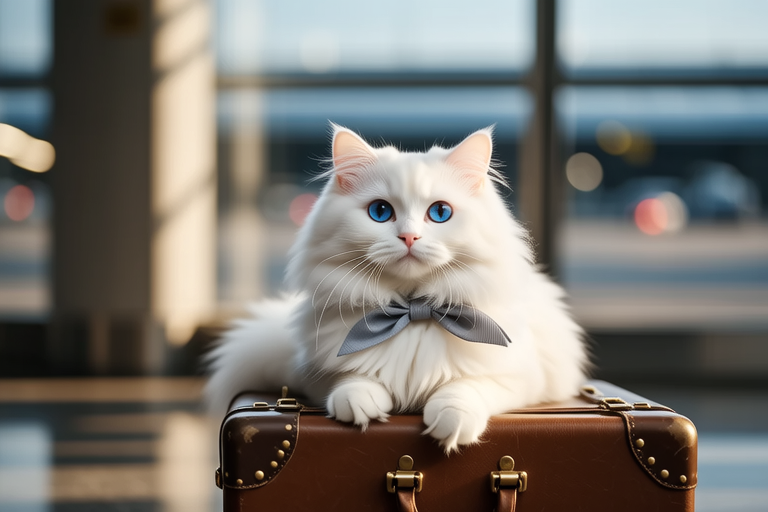
The Turkish Angora: A Journey Through Time
The Turkish Angora, a breed known for its elegance and grace, has captivated the hearts of cat enthusiasts worldwide. Originating from the ancient city of Ankara (formerly known as Angora), Turkey, this breed boasts a rich history that intertwines with the country’s culture and mythology. This article delves into the origins, physical attributes, temperament, and cultural significance of the Turkish Angora, while also providing guidance for potential owners.
Origins and History
The Turkish Angora’s lineage can be traced back thousands of years to the region now known as Ankara. Historical records suggest that the breed was already well-established by the 16th century, when it was first mentioned in European literature. The breed is closely associated with the city of Ankara, where it has been cherished for centuries. The cats were highly valued for their beauty and agility, often being kept as companions to royalty and nobility.
The Turkish Angora’s name reflects its geographical origin. “Angora” refers to the city of Ankara, while “Turkish” highlights the breed’s national identity. These cats were originally prized for their long, silky fur, which was used to create luxurious textiles. The breed’s history is intertwined with the textile industry, making it a symbol of wealth and prestige.
Cultural and Historical Significance
In Turkish folklore, the Turkish Angora is often portrayed as a guardian spirit, believed to bring good fortune and protection to households. The cats are frequently depicted in traditional Turkish art, including paintings, ceramics, and textiles. Their presence in these cultural artifacts underscores their importance in Turkish society.
Historically, the Turkish Angora was not only admired for its beauty but also for its hunting prowess. The cats were known for their ability to catch birds and small mammals, making them valuable companions in rural areas. This skill was particularly useful during times of scarcity, when food resources were limited.
Physical Characteristics
The Turkish Angora is renowned for its striking appearance. It has a medium-sized, lithe body, with long legs and a slender neck. The breed’s most distinctive feature is its semi-longhaired coat, which is fine and silky. The fur is typically white, though other colors, such as black, blue, red, and cream, are also recognized. The coat’s texture is soft and flowing, creating a beautiful contrast against the cat’s sleek physique.
One of the most remarkable features of the Turkish Angora is its large, expressive eyes, which can be blue, green, gold, or a combination of colors. The breed’s eyes are often described as captivating, adding to its overall allure. The ears are large and wide-set, contributing to the cat’s alert and intelligent demeanor. The tail is long and plumed, completing the breed’s elegant profile.
Temperament and Unique Traits
Turkish Angoras are known for their playful and affectionate nature. They are highly social animals, forming strong bonds with their human companions. These cats are often described as “dog-like,” as they enjoy following their owners around and participating in family activities. Their intelligence and curiosity make them excellent problem-solvers, often finding creative ways to entertain themselves.
Despite their playful nature, Turkish Angoras are also independent and self-reliant. They are capable of entertaining themselves for extended periods, especially if provided with stimulating toys and environments. However, they still crave attention and interaction from their owners, making them ideal companions for individuals who appreciate both independence and companionship.
Journey Around the World
The Turkish Angora’s journey from Ankara to homes around the world began in the early 20th century, when the breed gained international recognition. The cats were initially introduced to Europe through diplomatic channels, with Turkish officials presenting Angoras as gifts to foreign dignitaries. These initial introductions sparked interest in the breed, leading to its eventual establishment in North America and other parts of the world.
Breeding practices have played a crucial role in preserving the Turkish Angora’s unique traits. Breeders focus on maintaining the breed’s distinctive physical characteristics, such as its silky coat and large, expressive eyes. They also emphasize the cat’s temperament, ensuring that each generation remains playful, affectionate, and intelligent. Breeding programs are carefully managed to prevent genetic disorders and maintain the breed’s health.
Adoption stories involving Turkish Angoras highlight the breed’s adaptability and charm. Many adopters are drawn to the breed’s elegance and grace, while others appreciate its playful and affectionate nature. Regardless of the reason for adoption, Turkish Angoras quickly become beloved members of their new families, bringing joy and companionship to their owners.
Caring for a Turkish Angora
Providing proper care for a Turkish Angora requires attention to several key factors, including grooming, diet, and health. The breed’s semi-longhaired coat requires regular brushing to prevent matting and tangling. Daily brushing is recommended, especially during shedding seasons. This routine helps maintain the coat’s luster and prevents hairballs.
Dietary needs for Turkish Angoras should focus on high-quality, protein-rich foods. Wet food can be beneficial, as it provides additional moisture, which is important for maintaining hydration. Owners should consult with veterinarians to determine the appropriate diet based on the cat’s age, weight, and activity level.
Common health issues in Turkish Angoras include dental problems, obesity, and urinary tract infections. Regular veterinary check-ups are essential for early detection and treatment of these conditions. Additionally, Turkish Angoras may be prone to certain genetic disorders, such as hypertrophic cardiomyopathy and progressive retinal atrophy. Early screening and management can help mitigate the impact of these conditions.
Why Turkish Angoras Are Beloved Pets
The Turkish Angora’s adaptability and charm have contributed to its global popularity. These cats are versatile, thriving in a variety of living environments, from bustling cities to quiet suburbs. Their playful and affectionate nature makes them ideal companions for families and individuals alike. Moreover, their intelligence and curiosity provide endless entertainment, making them engaging and enjoyable pets.
In conclusion, the Turkish Angora is a breed with a rich history and cultural significance. From its origins in Ankara to its global presence today, the breed has captivated the hearts of cat lovers everywhere. With their elegant appearance, playful temperament, and unique traits, Turkish Angoras continue to be cherished companions, bringing joy and companionship to homes around the world.
