Top 10 Surprising Facts About Heterometrus Spinifer That Will Amaze You
The world of insects is vast and varied, with countless species that have evolved unique traits and behaviors. One such fascinating creature is the Heterometrus spinifer, a species of scorpion native to Southeast Asia. This article delves into ten surprising facts about this enigmatic arachnid, revealing aspects of its physical characteristics, habitat, behavior, and adaptations that will amaze you.
1. A Unique Physical Appearance
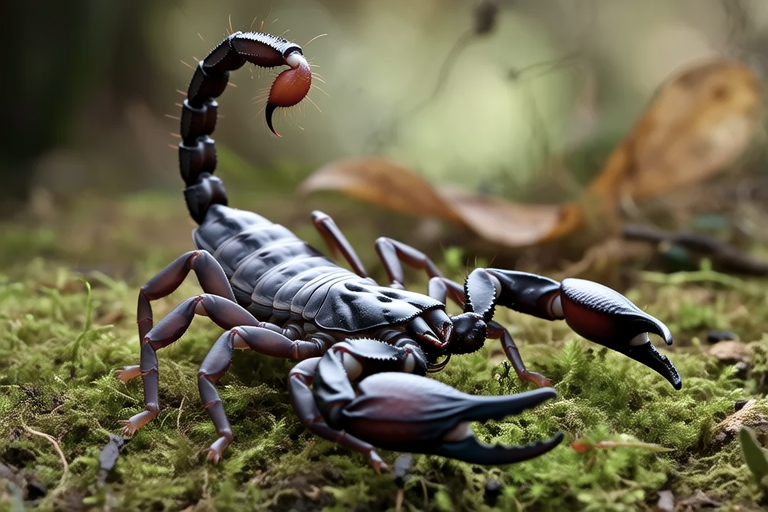
The Heterometrus spinifer is easily distinguishable by its robust body and prominent spines on its tail, which give it its common name, the “spiny emperor scorpion.” Its overall length can reach up to 15 centimeters, making it one of the largest scorpions in its region. The body coloration ranges from dark brown to black, providing excellent camouflage in its natural habitat. These colors also serve as a warning to potential predators, signaling the presence of venom.
2. Venomous but Not Lethal
While the Heterometrus spinifer possesses venom, it is not considered lethal to humans. However, its sting can cause significant pain, swelling, and localized inflammation. The venom primarily serves to subdue prey and defend against threats. Interestingly, the potency of the venom can vary depending on factors like the age and health of the scorpion, adding another layer of complexity to its defensive strategy.
3. Habitat and Distribution
This scorpion thrives in tropical rainforests, caves, and other humid environments across Southeast Asia, including Thailand, Malaysia, and Indonesia. It prefers areas with high humidity and temperatures between 24°C and 30°C, conditions that mimic its natural habitat. The Heterometrus spinifer often hides under rocks, logs, or within crevices during the day, emerging at night to hunt for small insects, spiders, and other invertebrates.
4. Nocturnal Hunter
The Heterometrus spinifer is predominantly nocturnal, venturing out under the cover of darkness to search for food. Equipped with highly sensitive sensory organs, it can detect vibrations and chemical cues from potential prey. Its large pincers (pedipalps) are used to grasp and crush smaller creatures, while the stinger delivers a dose of venom to immobilize larger ones. This hunting strategy ensures that the scorpion can efficiently gather sustenance without expending too much energy.
5. Mating Rituals
Mating in the Heterometrus spinifer is a complex process that involves a ritualized dance. The male initiates contact with the female by touching her with his pedipalps. If she accepts, they engage in a series of movements where the male deposits a spermatophore, which the female then collects to fertilize her eggs. This intricate behavior showcases the evolutionary sophistication of these creatures in ensuring successful reproduction.
6. Exceptional Parental Care
Unlike many other scorpion species, the Heterometrus spinifer exhibits exceptional parental care. After mating, the female carries the developing embryos internally for several months before giving birth to live young. She continues to protect the newly hatched scorplings for weeks, ensuring their safety until they can fend for themselves. This level of maternal investment is rare among arachnids and underscores the importance of family bonds within this species.
7. Adaptations to Environmental Stressors
The Heterometrus spinifer has developed remarkable adaptations to cope with environmental stressors. For instance, it can survive periods of drought by reducing its metabolic rate and entering a state of dormancy known as estivation. Additionally, its exoskeleton is covered with a waxy layer that helps retain moisture, allowing it to thrive in its humid yet sometimes challenging environment. These adaptations highlight the resilience of the species in the face of ecological pressures.
8. Camouflage Expertise
One of the most striking features of the Heterometrus spinifer is its ability to blend seamlessly into its surroundings. Its dark coloration and rough texture make it nearly invisible against the bark of trees, rocks, and soil. This camouflage is crucial for both hunting and avoiding predators, as it allows the scorpion to remain undetected until the moment it strikes. The effectiveness of this adaptation has been honed over millions of years of evolution.
9. Social Behavior
Contrary to popular belief, some species of scorpions, including the Heterometrus spinifer
, can exhibit social behaviors. In captivity, individuals have been observed living together in groups, sharing resources and even engaging in communal activities. While solitary in nature in the wild, these observations suggest that under certain conditions, Heterometrus spinifer can form temporary communities, further enriching our understanding of their social dynamics.
10. Cultural Significance
In addition to its ecological role, the Heterometrus spinifer holds cultural significance in many parts of Southeast Asia. It is often featured in local folklore, symbolizing strength, resilience, and adaptability. Some indigenous communities view the scorpion as a protector, attributing mystical powers to its presence. These beliefs reflect the deep connection between humans and nature, highlighting how species like the Heterometrus spinifer have influenced human culture and imagination.
From its impressive physical attributes to its unique behaviors and cultural significance, the Heterometrus spinifer is a species that continues to captivate scientists and enthusiasts alike. By exploring these ten surprising facts, we gain a deeper appreciation for the complexity and wonder of life on Earth.
