Paws of Steel: Training Tips for a Loyal Siberian Husky Companion
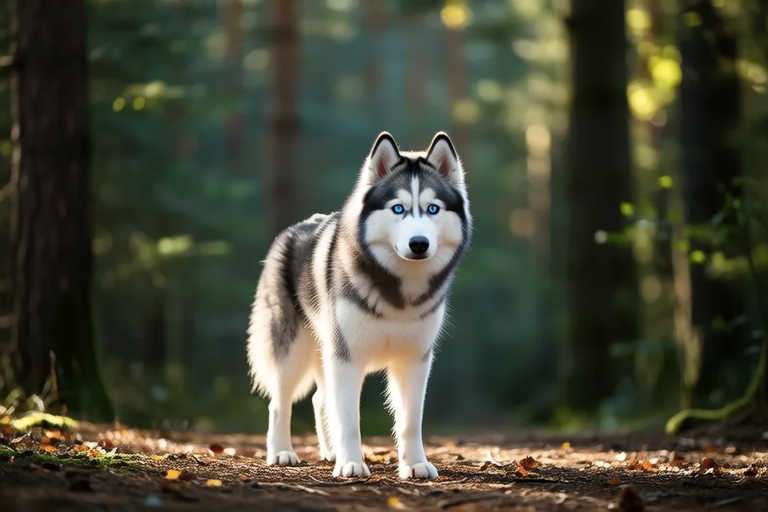
Welcome to the world of Siberian Huskies, where loyalty meets strength and intelligence. These majestic dogs have captured the hearts of many with their striking blue or multi-colored eyes, thick fur, and an air of mystery that seems to beckon adventure. Known for their endurance, resilience, and playful spirit, Siberian Huskies are more than just beautiful pets; they are companions that demand respect and understanding. Their history as sled dogs has shaped them into animals with incredible stamina and a strong will. This article aims to provide you with comprehensive training tips tailored to the unique traits of Siberian Huskies, ensuring both you and your furry friend can enjoy a fulfilling and harmonious relationship.
Understanding the Unique Traits of Siberian Huskies
Siberian Huskies are descendants of ancient working dogs from Siberia, originally bred by the Chukchi people to pull sleds across vast distances. Their lineage has endowed them with several distinct characteristics:
- Strong Will and Independence: Siberian Huskies are known for their independent streak. They were bred to work autonomously while pulling sleds, making them less likely to respond to commands immediately.
- High Energy Levels: With their heritage as working dogs, Siberian Huskies require significant physical activity. A lack of exercise can lead to destructive behaviors.
- Curiosity: Huskies are naturally curious and can be quite mischievous. Their desire to explore can sometimes lead to wandering if not properly managed.
- Intelligence: These dogs are highly intelligent and can quickly learn tricks and commands. However, this intelligence also means they can become bored easily if not given enough mental stimulation.
Understanding these traits is crucial for any owner looking to train and manage their Siberian Husky effectively.
Essential Training Techniques
Training a Siberian Husky requires patience, consistency, and the right approach. Given their strong-willed nature, it’s important to use positive reinforcement methods rather than harsh corrections. Positive reinforcement involves rewarding desired behaviors, which encourages your dog to repeat those actions. Here’s how you can apply this method:
Positive Reinforcement Methods
Positive reinforcement can take many forms, including treats, praise, and playtime. The key is to reward your dog immediately after they perform the desired behavior. For instance, if you’re teaching your Husky to sit, give them a treat and praise as soon as they comply. Over time, your dog will associate the command with the reward, reinforcing the behavior.
Consistency is equally important. Always use the same command word for each action and ensure all family members follow the same routine. Inconsistency can confuse your Husky and make training less effective.
Building Trust and Respect
Establishing a strong bond with your Siberian Husky is fundamental to successful training. Spend quality time with your dog, engage in activities they enjoy, and always maintain a calm demeanor. Your Husky will respond better to a confident and gentle leader than to someone who is erratic or overly demanding.
Socialization and Obedience Training
Socializing your Siberian Husky from a young age is crucial to ensure they grow up to be well-rounded, friendly dogs. Early exposure to various environments, people, and other animals helps prevent shyness or aggression later in life.
Socialization Tips
Start socializing your Husky as early as possible, ideally when they are still puppies. Introduce them to different environments, such as parks, beaches, and pet stores. Encourage positive interactions with other dogs and people. Use treats and praise to reinforce good behavior during these encounters.
It’s also important to teach your Husky basic commands like ‘sit,’ ‘stay,’ ‘come,’ and ‘leave it.’ These commands are essential for controlling your dog in public spaces and ensuring their safety. Begin training in a quiet, controlled environment and gradually increase the complexity of the settings as your Husky masters each command.
Obedience Training
Teaching your Husky obedience commands is vital for maintaining control and ensuring they behave appropriately in various situations. Start with simple commands and gradually move on to more complex ones. Use treats and verbal praise to encourage compliance. It’s also beneficial to enroll in obedience classes, where professional trainers can offer guidance and support.
Addressing Common Behavioral Issues
Despite their loyalty and affection, Siberian Huskies can exhibit some challenging behaviors. Understanding and addressing these issues early on can help prevent them from becoming ingrained habits.
Excessive Barking
Huskies are vocal dogs and may bark excessively, especially when left alone for long periods. To curb this behavior, ensure your Husky gets plenty of exercise and mental stimulation. Providing them with toys and puzzles can help keep them occupied. Additionally, teaching them the ‘quiet’ command can be effective. When your Husky barks, wait until they stop and then reward them with a treat and praise.
Destructive Behavior
Lack of exercise and boredom can lead to destructive behavior in Huskies. Ensure they get ample opportunities for physical activity, such as daily walks or runs. Puzzle toys and interactive games can also provide mental stimulation. If destructive behavior persists, consider crate training. A crate provides a safe space for your Husky and can discourage chewing on inappropriate items.
Wandering Off
Huskies are known for their wanderlust. Their strong desire to explore can lead to wandering off, which is dangerous for both your dog and the community. Ensuring your yard is securely fenced and using a leash when walking your Husky can prevent them from running away. Training them to come when called is also essential. Consistently practicing recall exercises in various environments can help reinforce this command.
Maintaining a Strong Bond
The final step in ensuring a harmonious relationship with your Siberian Husky is maintaining a strong bond. This involves regular interaction, mutual respect, and shared experiences. Spend time with your Husky every day, whether it’s playing fetch, going for walks, or simply cuddling. Engage in activities they enjoy, and always remember to show affection and appreciation.
Communication is key in any relationship, and this applies to your bond with your Husky as well. Learn to read your dog’s body language and respond accordingly. By understanding their needs and emotions, you can foster a deeper connection and ensure they feel loved and secure.
In conclusion, training a Siberian Husky requires patience, dedication, and the right approach. By focusing on positive reinforcement, socialization, and addressing behavioral issues proactively, you can turn your Husky into a loyal and well-behaved companion. Remember, every dog is unique, so tailor your training methods to suit your individual pet. With love, consistency, and effort, you and your Siberian Husky can share a lifetime of joy and adventure together.
