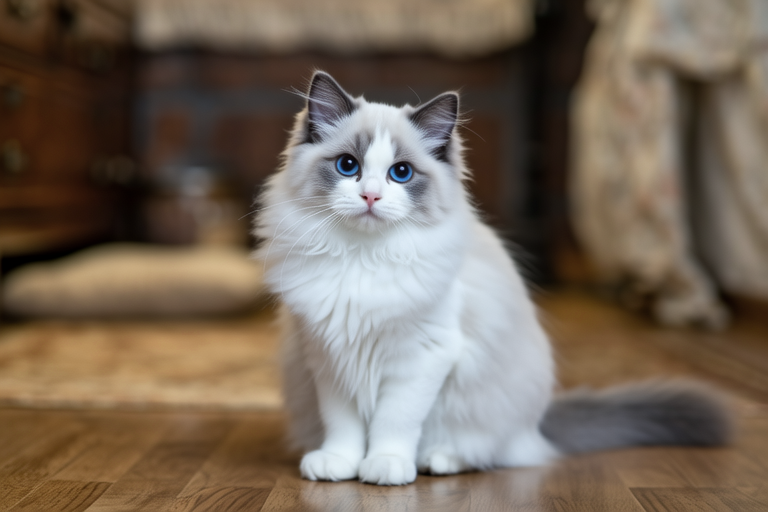
The Unique World of Munchkin Cats
When it comes to unique and fascinating feline breeds, the Munchkin cat stands out as one of the most distinctive. Known for their unusually short legs, these charming creatures have captured the hearts of many cat lovers around the world. This article will delve into the origins, physical characteristics, and personality traits of the Munchkin cat, discuss common health concerns, debunk myths surrounding the breed, and provide tips for potential owners.
Origins of the Munchkin Cat
The Munchkin cat’s origin story is as intriguing as the breed itself. The first documented appearance of a cat with abnormally short legs occurred in the 1930s in New England, but this lineage was lost during World War II. The modern Munchkin breed, however, has its roots in Louisiana, USA, where a black and white domestic shorthair named Blackberry was born in 1983. Blackberry was the result of a spontaneous genetic mutation that led to her having short legs.
This unique trait was passed down to her offspring, and soon, a new breed began to emerge. The breed gained recognition in the 1990s when several breeders decided to work together to establish the Munchkin as a distinct breed. In 2003, the International Cat Association (TICA) recognized the Munchkin as a championship breed. Since then, the breed has grown in popularity, captivating cat enthusiasts with its playful and affectionate nature.
Physical Characteristics
The Munchkin cat is instantly recognizable by its short legs, which can be attributed to a dominant gene mutation called Mnmn. This gene affects the long bones in the legs, resulting in a dwarfism-like condition. Despite their short stature, Munchkins are otherwise typically proportioned, with no other abnormalities affecting their overall body structure. They come in both longhair and shorthair varieties, making them versatile and adaptable to different environments.
In terms of size, Munchkins generally weigh between 5 to 9 pounds, with males usually being slightly larger than females. Their coats can come in a wide range of colors and patterns, including tabby, tortoiseshell, calico, and solid colors. The coat length can vary from short and sleek to long and luxurious, depending on whether the cat is a shorthair or longhair variant. Regardless of coat type, Munchkins require regular grooming to keep their fur healthy and free of mats.
One of the most striking features of the Munchkin cat is their large, expressive eyes, which often add to their charm and appeal. Their faces are rounded, and they possess an overall friendly and approachable demeanor. These cats are agile and surprisingly athletic despite their shorter legs, often surprising people with their ability to jump high and run quickly. Their gait is unique, often described as a “bunny hop” due to the way they move their hind legs together and front legs separately.
Personality Traits
Munchkin cats are known for their friendly and sociable personalities. They are often described as being more dog-like in their behavior, as they enjoy human companionship and may even follow their owners around the house. This breed thrives on attention and interaction, making them ideal companions for families or individuals who spend a lot of time at home.
They are highly intelligent and curious, often exploring their surroundings with great enthusiasm. Munchkins are also known for their playful nature, enjoying interactive toys and games. Their agility and athleticism, despite their short legs, allow them to engage in various activities with ease. Many owners report that their Munchkins are excellent climbers, able to reach high places with surprising grace.
Another endearing trait of Munchkin cats is their vocalization. They tend to be quite talkative, often engaging in conversations with their owners through chirps, meows, and purrs. This vocal nature makes them great communicators, always ready to express their needs and desires.
Common Health Concerns
While Munchkin cats are generally healthy, there are some specific health concerns associated with their unique physical characteristics. One of the primary issues is spinal problems, such as lordosis (an abnormal inward curvature of the spine) and pectus excavatum (a deformity of the chest wall). These conditions can sometimes lead to breathing difficulties and other health issues.
To mitigate these risks, it is crucial to provide Munchkin cats with a balanced diet, regular exercise, and routine veterinary check-ups. Maintaining a healthy weight is particularly important, as obesity can exacerbate spinal issues. Additionally, providing soft bedding and avoiding placing heavy objects on their backs can help prevent strain on their spines.
Another concern is joint issues, which can arise from the stress placed on their joints due to their short legs. Regular joint supplements and maintaining a healthy weight can help alleviate these problems. It is also advisable to consult with a veterinarian about appropriate exercise routines that promote joint health without causing undue strain.
Myths Surrounding the Munchkin Breed
Despite their growing popularity, there are still several myths surrounding the Munchkin cat. One of the most prevalent misconceptions is that Munchkin cats suffer from dwarfism. While their short legs may give the impression of dwarfism, it is important to note that Munchkins are not dwarfs. Instead, they have a condition known as achondroplasia, a form of dwarfism characterized by short limbs.
Another myth is that Munchkin cats are prone to early death due to their genetic mutation. However, studies have shown that Munchkins have a normal lifespan, typically ranging from 12 to 14 years. Proper care, including a healthy diet, regular exercise, and routine veterinary visits, can ensure that Munchkin cats live long, happy lives.
There is also a misconception that Munchkin cats cannot reproduce. While it is true that breeding Munchkin cats can be challenging due to the dominance of the Mnmn gene, responsible breeding practices can produce healthy kittens. Ethical breeders carefully select pairs to avoid the potential health issues associated with inbreeding.
Comparisons to Other Breeds
When compared to other cat breeds, Munchkin cats stand out for their unique physical characteristics and playful personalities. For instance, while the Siamese cat is known for its vocal nature and intelligence, the Munchkin cat takes playfulness and curiosity to another level. Both breeds are highly social and enjoy interacting with their owners, but the Munchkin’s short legs and bunny-hop gait add a unique twist to their movements.
The Maine Coon, another popular breed, is known for its large size and gentle temperament. While the Maine Coon can grow to be much larger than the Munchkin, both breeds share a love for play and exploration. However, the Munchkin’s shorter legs make them more agile in tight spaces, allowing them to navigate through small openings with ease.
The Bengal cat, famous for its wild appearance and energetic nature, shares similarities with the Munchkin in terms of playfulness. Both breeds enjoy interactive toys and games, but the Munchkin’s unique gait and short legs add a distinct charm to their movements. The Bengal’s spotted or marbled coat sets it apart visually, whereas the Munchkin’s variety of coat colors and patterns offers a wider range of appearances.
Tips for Potential Owners
If you’re considering adding a Munchkin cat to your family, there are several factors to keep in mind. First and foremost, it is essential to adopt from a reputable breeder who prioritizes the health and well-being of their cats. Reputable breeders conduct thorough health screenings and follow ethical breeding practices to ensure that their kittens are healthy and well-socialized.
Providing a safe and stimulating environment is crucial for Munchkin cats. Their short legs make it easier for them to access low furniture, so it is important to create a space where they can move freely without feeling confined. Interactive toys and climbing structures can help keep them entertained and active. Additionally, ensuring that their living area is free from hazards, such as sharp edges or small objects that could cause injury, is vital.
Regular veterinary care is essential for maintaining the health of Munchkin cats. Routine check-ups, vaccinations, and dental care are all important aspects of their healthcare regimen. Monitoring their weight and providing a balanced diet are also key to preventing obesity-related health issues. Lastly, providing plenty of love and attention will help ensure that your Munchkin cat leads a happy and fulfilling life.
Conclusion
The Munchkin cat is a truly unique and fascinating breed, offering a delightful combination of charm, playfulness, and affection. With their short legs and distinctive gait, they have captured the hearts of many cat lovers around the world. While they may face some health challenges, proper care and attention can help ensure that Munchkin cats live long, healthy lives.
Whether you’re a seasoned cat owner or considering adopting your first pet, the Munchkin cat is sure to bring joy and companionship to your home. By understanding their origins, physical characteristics, and personality traits, as well as addressing common health concerns and myths, you can make an informed decision about whether a Munchkin cat is the right fit for your family.
