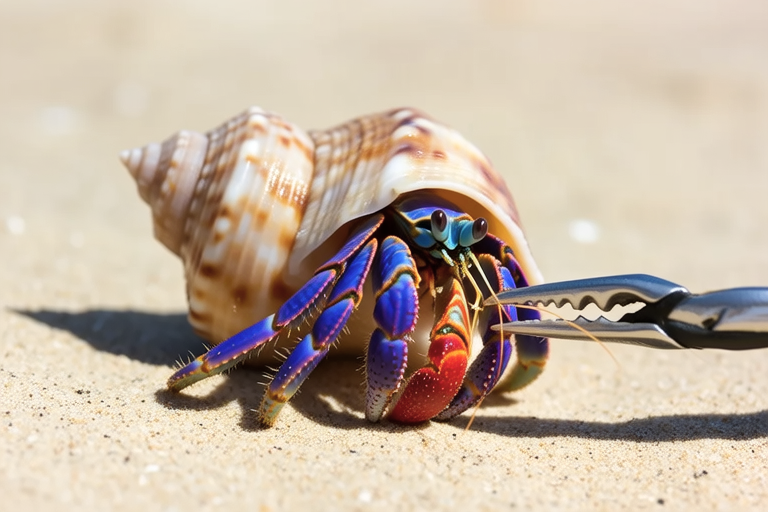
Unveiling the Secret Language of Hermit Crabs: Tips for Better Interaction
Hermit crabs are fascinating creatures known for their unique lifestyle and intriguing behavior. These small crustaceans are often misunderstood due to their solitary nature and preference for living within discarded shells. However, they have developed a rich array of communication methods that allow them to interact with each other and their environment. Understanding these signals can greatly enhance your relationship with your hermit crab and improve its overall well-being. This article will guide you through the secret language of hermit crabs, providing tips for better interaction and care.
The Unique Communication Methods of Hermit Crabs
Hermit crabs communicate in various ways, primarily through their antennae, leg movements, and shell changes. Their two pairs of antennae serve different purposes: the longer pair helps them navigate and sense their surroundings, while the shorter pair assists in tasting and touching objects. By flicking or waving their antennae, hermit crabs can express excitement, curiosity, or even stress.
Leg movements also play a crucial role in hermit crab communication. A quick retreat into the shell or a sudden stop when walking may indicate fear or discomfort. Conversely, active exploration and confident strides suggest a relaxed and curious crab. Paying attention to these subtle cues can help you understand your pet’s emotional state and respond accordingly.
Shell changes are another significant form of expression for hermit crabs. When a hermit crab outgrows its current shell, it seeks a new one that offers more space and protection. This process can be stressful, so providing a variety of suitable shells is essential. Observing your hermit crab’s interest in different shells can give you insights into its preferences and needs.
The Importance of Understanding Hermit Crab Signals
Understanding the secret language of hermit crabs is vital for their care and interaction. Recognizing signs of stress or discomfort allows you to address potential issues before they escalate. For instance, if your hermit crab frequently retreats into its shell or exhibits aggressive behavior towards others, it might be experiencing overcrowding or inadequate environmental conditions. By addressing these concerns promptly, you can ensure your hermit crab remains healthy and happy.
Moreover, interpreting your hermit crab’s signals fosters a deeper bond between you and your pet. Engaging with your hermit crab through gentle interactions and providing enriching experiences can lead to a more fulfilling relationship. It’s important to remember that hermit crabs are sensitive creatures, and excessive handling or loud noises can cause distress. Approach them with patience and respect to build trust over time.
Creating a Suitable Environment for Natural Behaviors
Providing a stimulating and comfortable habitat is crucial for encouraging natural behaviors in hermit crabs. Start by setting up a spacious tank with plenty of hiding spots, such as coconut huts or cork bark pieces. These shelters offer security and promote mental stimulation, which is essential for their well-being. Additionally, include a shallow water dish for drinking and soaking, ensuring it’s easily accessible and regularly cleaned to prevent bacterial growth.
The substrate, or bedding material, plays a significant role in the health and happiness of hermit crabs. A mix of sand and coconut fiber works well, providing a natural environment for digging and burrowing. The substrate should be kept moist but not wet, as overly damp conditions can lead to respiratory problems. Regularly check the humidity levels in the tank, aiming for around 70-80%, to maintain optimal moisture.
Selecting Appropriate Shells
Choosing the right shells is critical for hermit crab care. Opt for shells that are slightly larger than the crab’s current size, allowing room for growth. A variety of shapes and sizes encourages exploration and provides options for different preferences. Smooth, clean shells are preferable, as rough or dirty ones can irritate your crab’s delicate gills. Rotate the available shells periodically to keep things interesting and prevent boredom.
It’s worth noting that hermit crabs are territorial and may fight over desirable shells. To minimize conflicts, provide ample options and monitor interactions closely. If you notice aggressive behavior, separate the crabs temporarily and introduce new shells gradually to reduce competition.
The Significance of Substrate for Hermit Crab Well-Being
The substrate serves multiple purposes beyond providing a comfortable surface for your hermit crab. It helps regulate humidity, supports burrowing, and provides a place for food and waste. A high-quality substrate mixture, such as sand and coconut fiber, mimics the natural environment of hermit crabs found in tropical beaches and mangrove forests. This imitation promotes healthier gill function and reduces the risk of dehydration.
Regular maintenance of the substrate is essential for maintaining hygiene and preventing health issues. Clean the substrate every few weeks by removing any visible waste and replacing about one-third of it with fresh material. This routine helps control odors and prevents the buildup of harmful bacteria. Additionally, misting the substrate daily ensures proper moisture levels, contributing to a thriving ecosystem within the tank.
Consistent and Gentle Handling to Enhance Bonding
Building a strong bond with your hermit crab requires consistent and gentle handling. Begin by acclimating your crab to your presence through regular observation and minimal disturbance. Gradually introduce short periods of gentle handling, always supporting the shell to avoid causing stress. Over time, your hermit crab may become more comfortable with human interaction, leading to a more enjoyable experience for both of you.
When handling your hermit crab, use slow, deliberate movements and avoid sudden jerks or loud noises. Always wash your hands before and after interacting with your pet to eliminate any potential contaminants. Hermit crabs are sensitive to certain chemicals, so it’s essential to keep their environment clean and free from harmful substances.
Lastly, consider offering treats and enrichment activities to strengthen the bond between you and your hermit crab. Fruits like mango, papaya, and banana are popular choices, providing essential nutrients and a tasty reward. Introducing toys, such as tunnels or climbing structures, adds variety to their environment and stimulates natural behaviors. By consistently engaging with your hermit crab in positive ways, you can create a nurturing and loving relationship that benefits both parties.
Conclusion
Understanding the secret language of hermit crabs opens up a world of possibilities for better interaction and care. By recognizing their unique communication methods and providing a suitable environment, you can foster a deeper connection with your pet. Remember to select appropriate shells, maintain a healthy substrate, and handle your hermit crab gently and consistently. With patience and dedication, you can enjoy a rewarding and enriching relationship with these captivating creatures.
