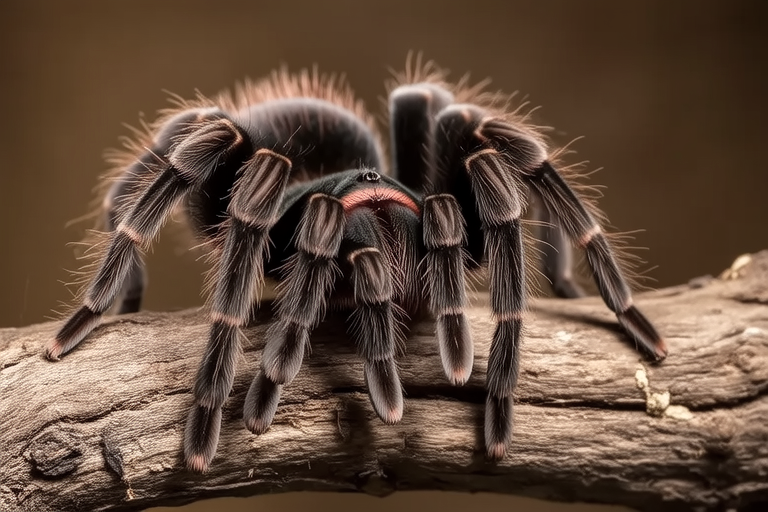
Meet the Misunderstood: The Surprising World of Tarantulas
In the realm of arachnids, few creatures evoke as much fear and misunderstanding as tarantulas. Often portrayed as aggressive, venomous monsters in movies and folklore, these spiders are far from the dangerous creatures they are commonly believed to be. This article aims to dispel common myths, explore the diversity of tarantula species, and shed light on their fascinating behaviors and ecological roles.
Dispelling Common Myths About Tarantulas
The first myth we need to tackle is the notion that all tarantulas are deadly. While it’s true that some tarantulas possess venom, it is rarely harmful to humans. In fact, most tarantula bites are no worse than a bee sting. Another misconception is that tarantulas are aggressive predators that actively seek out humans for attacks. In reality, tarantulas are shy and reclusive, preferring to avoid encounters with larger animals like humans.
Diverse Species and Habitats
Tarantulas belong to the family Theraphosidae, which encompasses over 900 recognized species. These spiders vary widely in size, coloration, and habitat preferences. Some tarantulas are as small as a thumbnail, while others can grow to have leg spans exceeding 30 centimeters. They inhabit diverse environments across the globe, from the arid deserts of Arizona to the lush rainforests of South America.
For instance, the Goliath birdeater (Theraphosa blondi) is one of the largest spiders in the world. Native to the rainforests of northern South America, this tarantula can weigh up to 170 grams and has a leg span of nearly 30 centimeters. Despite its intimidating size, the Goliath birdeater feeds primarily on insects and occasionally small vertebrates. In contrast, the Mexican redknee tarantula (Brachypelma smithi), popular in the pet trade, is smaller and more docile, making it a favorite among tarantula enthusiasts.
Unique Behaviors and Diet
Tarantulas have evolved a variety of fascinating behaviors to suit their survival needs. One such behavior is their ability to regenerate lost limbs. If a tarantula loses a leg, it can regrow it during subsequent molts, though the new leg may be slightly smaller than the original. Additionally, many tarantulas are nocturnal, emerging at night to hunt for prey. Their diet consists mainly of insects, but some species also consume small vertebrates, such as mice or lizards.
When hunting, tarantulas rely on their keen sense of touch and vibrations rather than sight. They often lie in wait for prey, using their powerful legs to pounce and capture it. Once caught, the tarantula injects venom into its victim to immobilize it before wrapping it in silk and consuming it. Interestingly, tarantulas can also detect chemical signals through taste receptors on their legs, allowing them to identify potential food sources even before they see or smell them.
Defense Mechanisms
Despite their formidable appearance, tarantulas are not aggressive and prefer to avoid confrontation. When threatened, they employ several defense mechanisms to deter predators. One of the most notable is their ability to release urticating hairs from their abdomen. These fine, barbed hairs can cause irritation, itching, and inflammation when they come into contact with skin or eyes. This defense mechanism is particularly effective against mammals, which have sensitive mucous membranes.
Another defensive strategy used by some tarantulas is playing dead. By lying motionless on their backs, these spiders appear lifeless, hoping to confuse or discourage potential attackers. Some tarantulas also produce a hissing sound by rubbing specialized hairs together, further deterring predators. These adaptations demonstrate the remarkable resilience and adaptability of tarantulas in their natural habitats.
Interactions with the Environment
Tarantulas play a crucial role in maintaining the balance of their ecosystems. As apex predators within their microhabitats, they help control insect populations, preventing overpopulation and the spread of diseases. Their burrows also provide shelter for other small creatures, contributing to biodiversity. Moreover, the silk produced by tarantulas is highly durable and has been studied for potential applications in medicine and industry.
Conservation Efforts
Unfortunately, many tarantula species face threats due to habitat destruction, climate change, and illegal pet trade. Conservationists are working tirelessly to protect these spiders and their habitats. Initiatives include establishing protected areas, raising public awareness, and implementing sustainable practices in the pet trade. By supporting these efforts, we can ensure the survival of tarantulas for future generations.
Why Tarantulas Deserve More Respect and Understanding
Tarantulas are remarkable creatures with complex behaviors and essential roles in their ecosystems. Their misunderstood reputation stems from a combination of cultural biases and misinformation. By learning more about these fascinating spiders, we can foster greater appreciation and respect for them. Tarantulas, like all creatures, deserve our admiration and protection. Let us embrace the opportunity to deepen our understanding of these misunderstood marvels and contribute to their conservation.
