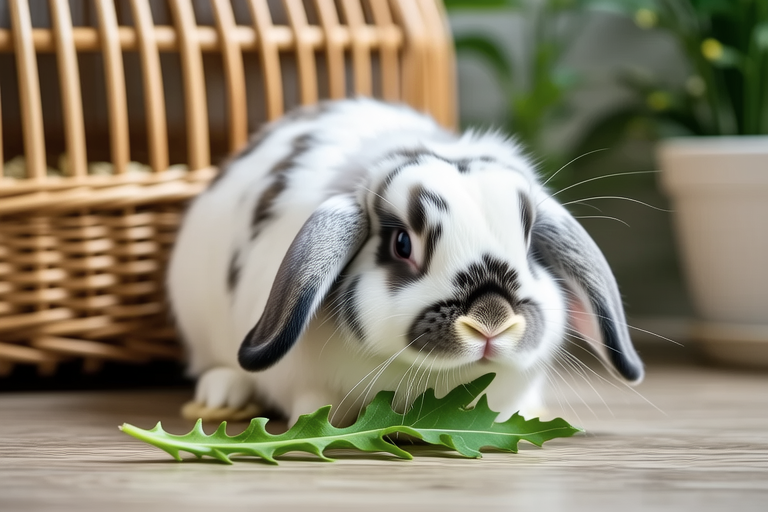
How To Care For Your Lovable Lop Rabbit: A Complete Guide
Welcome to your ultimate guide on how to care for your lovable lop rabbit. This comprehensive resource will help you understand the unique needs of these charming creatures and provide practical advice to ensure they live happy, healthy lives.
Housing Requirements
Lop rabbits require a spacious, safe, and comfortable living environment. The ideal cage or hutch should be large enough to allow the rabbit to stretch out fully and move around comfortably. Since lop rabbits have long ears that can get easily damaged, it’s important to avoid any sharp edges or corners in their habitat. Additionally, the flooring should be soft and non-abrasive to prevent injuries.
Ensure the enclosure is well-ventilated and protected from direct sunlight and drafts. A bedding material such as straw, hay, or recycled paper is recommended for comfort and warmth. Cleanliness is crucial; regular cleaning of the cage or hutch helps prevent infections and keeps the environment fresh.
For indoor living, consider creating a designated area with a litter box and toys to stimulate their natural behaviors. Providing ramps and tunnels can encourage exercise and exploration within their space.
Dietary Needs
A balanced diet is essential for maintaining your lop rabbit’s health. Their diet should consist primarily of hay, which aids digestion and provides necessary fiber. Fresh water should always be available, and a small portion of pellets formulated for rabbits should complement their diet.
Vegetables and fruits can be offered in moderation as treats. Dark leafy greens like spinach, kale, and romaine lettuce are excellent choices. Avoid feeding them iceberg lettuce, as it lacks nutritional value and can cause digestive issues. Introduce new foods gradually to monitor for any adverse reactions.
Ensure that your rabbit has access to plenty of hay at all times, as this is crucial for their dental health. Gnawing on hay helps wear down their continuously growing teeth, preventing overgrowth and potential pain.
Grooming Tips
Lop rabbits have a dense, short coat that requires regular grooming to keep them clean and free from matting. Brush them gently once or twice a week using a soft bristle brush or grooming mitt. During shedding seasons, increase the frequency of brushing to remove loose hair and prevent hairballs.
Bathing should be minimal, only when absolutely necessary, as frequent bathing can strip their skin of natural oils. If you need to bathe your rabbit, use a mild, unscented shampoo and ensure they are thoroughly dried afterward to prevent chills.
Check their ears regularly for signs of infection or irritation. Gently clean the outer ear with a damp cloth if needed. Keep their nails trimmed to prevent overgrowth, which can lead to discomfort or difficulty walking. Consult with a veterinarian if you’re unsure about proper nail trimming techniques.
Health Care Basics
Regular veterinary check-ups are vital for early detection and treatment of potential health issues. Lop rabbits are prone to certain conditions such as dental problems, respiratory infections, and gastrointestinal stasis. Signs of illness may include lethargy, loss of appetite, runny nose, or changes in bathroom habits.
Vaccinations against common diseases are also important. Rabbits should receive annual vaccinations for myxomatosis and viral hemorrhagic disease (VHD). Parasite control, including fleas and mites, should be managed through preventive treatments recommended by your vet.
Maintaining a stress-free environment is crucial for your rabbit’s overall well-being. Avoid sudden loud noises or abrupt changes in their routine, as these can cause anxiety. Providing hiding spots or cozy areas where they can retreat can help reduce stress levels.
Exercise Recommendations
Physical activity is essential for maintaining your lop rabbit’s physical and mental health. Encourage supervised playtime outside of their enclosure in a safe, rabbit-proofed area. This allows them to explore, jump, and engage in natural behaviors.
Provide toys designed for rabbits, such as chew toys, tunnels, and balls, to stimulate their minds and keep them entertained. Rotate toys periodically to maintain interest and prevent boredom. Exercise not only benefits their physical health but also promotes good behavior and reduces destructive tendencies.
Supervised outdoor time can be beneficial, provided the area is secure and free from predators. Always supervise your rabbit during outdoor activities and ensure they have shade and fresh water available.
Bonding Techniques
Building a strong bond with your lop rabbit takes time and patience. Start by spending quiet time with them in their enclosure, allowing them to become accustomed to your presence. Gradually introduce handling sessions, starting with gentle petting and progressing to lifting and holding them securely.
Positive reinforcement training can enhance communication between you and your rabbit. Reward good behavior with treats and praise, helping to build trust and mutual understanding. Spend quality time together daily, engaging in interactive play and providing affectionate attention.
Understanding your rabbit’s body language is key to effective bonding. Recognize signs of happiness, such as relaxed posture and soft grinding of teeth, as well as indicators of distress, like flattened ears or aggressive behavior. Respond appropriately to their cues to foster a trusting relationship.
Conclusion
Caring for a lop rabbit involves meeting their specific housing, dietary, grooming, health care, exercise, and bonding needs. By following the guidelines outlined in this comprehensive guide, you can ensure your furry friend leads a fulfilling and healthy life. Remember, each rabbit is unique, so adapt these recommendations based on your pet’s individual preferences and requirements.
