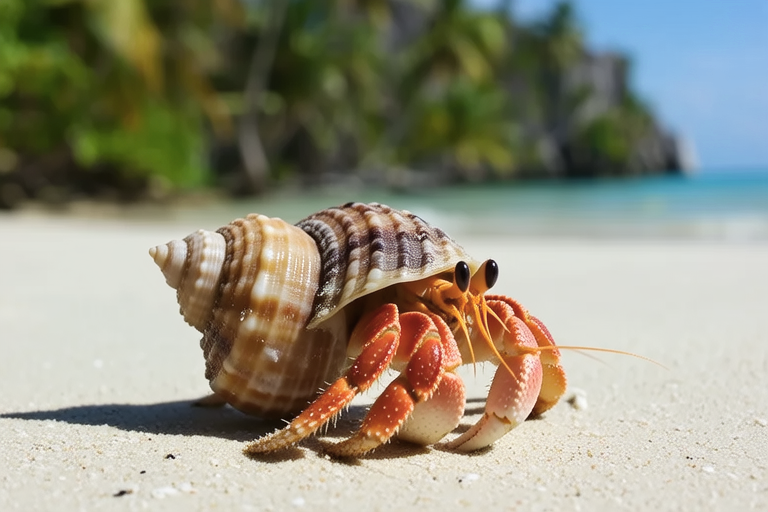
The Fascinating World of Hermit Crabs: Myths and Realities
Hermit crabs have long been a subject of fascination for many people. These unique creatures, known for their habit of living in discarded shells, are often misunderstood. This article aims to shed light on the myths and realities surrounding hermit crabs, providing you with an engaging and educational look into their world.
Common Misconceptions About Hermit Crabs
Habitat Needs
One of the most common misconceptions about hermit crabs is that they can thrive in small, confined spaces. While it’s true that hermit crabs can survive in aquariums or terrariums, they require spacious environments that mimic their natural habitats. In the wild, hermit crabs live in tropical coastal areas, often burrowing in sand or hiding under rocks. As pets, they need ample space to move around, climb, and explore. A tank that’s too small can lead to stress and health issues.
Dietary Requirements
Another myth is that hermit crabs can survive solely on commercial crab food. While these foods can be part of their diet, hermit crabs are omnivores with diverse nutritional needs. They benefit from a varied diet that includes fruits, vegetables, proteins, and occasional treats like seaweed. It’s important to offer a balanced diet to ensure their overall health and longevity.
Social Behavior
Many believe that hermit crabs are solitary creatures. In reality, hermit crabs are social animals that enjoy the company of others. In the wild, they often gather in large groups, especially when searching for new shells or during mating season. As pets, hermit crabs thrive in groups, interacting with each other through climbing, playing, and even sharing food.
Natural Environment
In their natural habitat, hermit crabs live along tropical coastlines, where they are exposed to warm temperatures and high humidity. They spend much of their time scavenging for food, exploring their surroundings, and seeking out new shells. The ideal environment for hermit crabs is one that replicates these conditions, with a mix of sand, rocks, and water.
Proper Care Guidelines
When keeping hermit crabs as pets, it’s crucial to provide the right environment and care. Start by setting up a tank that’s at least 10 gallons in size for a small group of crabs. Maintain a temperature between 75-85°F (24-29°C) and a humidity level of around 70-80%. Include a shallow dish of fresh water and another of salt water for drinking and shell soaking. Offer a variety of foods, including fruits, vegetables, and protein sources. Always provide plenty of shells for your crabs to choose from.
Molting Process
The molting process is a fascinating aspect of hermit crab biology. During this period, hermit crabs shed their exoskeleton to grow. They become more vulnerable and may retreat into their shells for protection. Providing a humid environment and soft substrates can help make the molting process easier for your crabs. It’s essential to handle them gently during this time and avoid disturbing them.
Shell Selection Habits
Hermit crabs are famous for their choice of shells. In nature, they select shells based on size, shape, and availability. When kept as pets, it’s important to provide a variety of shells for your crabs to choose from. You can find suitable shells at pet stores or collect them from beaches, ensuring they’re clean and free of debris. Observe your crabs during shell changes; sometimes, they’ll engage in friendly competitions, trading shells with each other.
Fascinating Facts About Hermit Crabs
Hermit crabs have several intriguing features. For instance, they have gills that require moisture to function properly, which is why maintaining a humid environment is crucial. Their legs are adapted for walking and climbing, making them excellent climbers. Additionally, hermit crabs can regenerate lost limbs, though this process can take months.
Hermit crabs also have a unique respiratory system. While they breathe through gills, they can absorb some oxygen through their body surface. This allows them to survive out of water for short periods, making them adaptable to various environments.
Finally, hermit crabs are incredibly long-lived creatures. Some species can live for over 30 years, making them a rewarding long-term pet. With proper care and attention, you can enjoy the company of these fascinating creatures for many years to come.
Conclusion
The world of hermit crabs is full of surprises and wonder. By understanding the myths and realities surrounding these creatures, we can better appreciate their unique biology and care requirements. Whether you’re a novice or experienced pet owner, taking the time to learn about hermit crabs will enhance your enjoyment of these captivating animals. Remember, providing a suitable environment and diet is key to their well-being, ensuring that you and your hermit crabs can share many happy years together.
