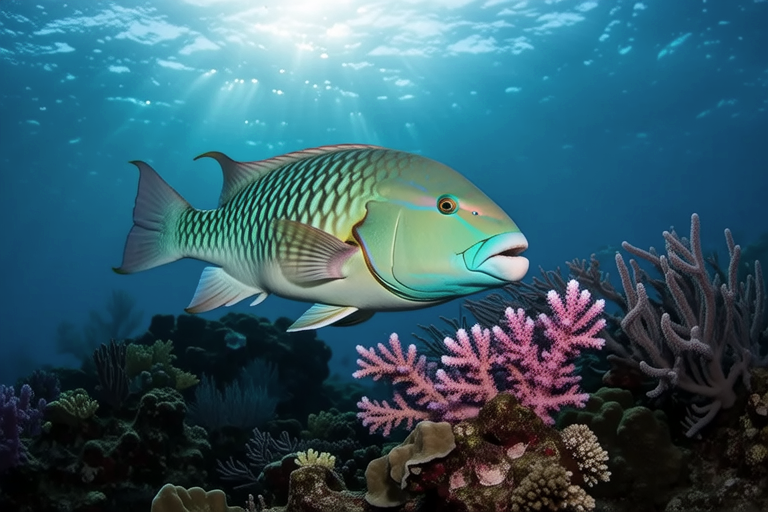
The Hidden Life of Parrot Fish: Facts You Need to Know
Parrot fish are among the most colorful and fascinating creatures that inhabit our oceans. Known for their vibrant hues and unique behaviors, these fish play a crucial role in maintaining the health of coral reefs. From their peculiar feeding habits to their ability to change both color and sex, parrot fish have a hidden life full of intriguing facts. This article delves into the world of parrot fish, providing you with insights into their behavior, ecological importance, and the challenges they face.
Unique Feeding Habits
Parrot fish get their name from their beak-like mouths, which they use to scrape algae off rocks and coral. Their diet primarily consists of algae, but they also consume small polyps and other organic matter found on coral reefs. What makes their feeding habits particularly remarkable is the way they process their food. Parrot fish have specialized pharyngeal teeth located at the back of their throats. These teeth grind up the coral and algae into a fine paste before it passes through their digestive system. The undigested coral is expelled as sand, contributing significantly to the formation of beaches in tropical regions.
Vibrant Color Variations
One of the most striking features of parrot fish is their dazzling array of colors. Depending on the species, parrot fish can display a wide range of hues, including blues, greens, reds, yellows, and purples. These vivid colors serve multiple purposes, such as camouflage, attracting mates, and warning potential predators. Juvenile parrot fish often exhibit different color patterns compared to adults, making them easily distinguishable. For instance, young parrot fish may have a more subdued palette to blend into their surroundings, while adults showcase their bright colors to signal maturity and dominance within their social groups.
Role in Coral Reef Ecosystems
Coral reefs are some of the most diverse and productive ecosystems on Earth, and parrot fish play a vital role in maintaining their health. By grazing on algae, parrot fish help prevent overgrowth, which could otherwise smother corals and disrupt the delicate balance of the reef ecosystem. Their feeding activities also contribute to the recycling of nutrients, promoting the growth of new corals and supporting other marine life. Additionally, the sand produced by parrot fish helps to stabilize the reef structure, protecting it from erosion and damage caused by waves and currents.
Interesting Behaviors
Parrot fish display several fascinating behaviors that make them stand out among marine creatures. One of the most notable behaviors is their ability to secrete a mucus cocoon before sleeping. This protective layer is thought to mask their scent from potential predators and protect them from parasites. Another intriguing aspect of their behavior is their tendency to form large schools during certain times of the year, particularly when they spawn. These spawning aggregations involve thousands of fish gathering together to release eggs and sperm into the water column, increasing the chances of successful reproduction.
Changing Colors and Sexes
Parrot fish possess an extraordinary ability to change both their color and sex throughout their lives. This phenomenon, known as sequential hermaphroditism, allows them to adapt to changing environmental conditions and social dynamics. Many species of parrot fish start their lives as females and later transition into males. This shift often occurs when there is a shortage of dominant males within the group, ensuring the continuation of the species. The change in sex is accompanied by a transformation in color, with males typically displaying brighter and more elaborate patterns than females. This ability to alter their appearance and reproductive status underscores the complexity and adaptability of parrot fish.
Threats in the Wild
Despite their important role in marine ecosystems, parrot fish face numerous threats in the wild. Overfishing is one of the primary concerns, as many species are targeted for their meat and vibrant skin. In some parts of the world, parrot fish are caught using unsustainable methods, leading to population declines. Habitat destruction, including coral bleaching and coastal development, further exacerbates the situation by reducing the availability of suitable habitats for these fish. Pollution and climate change also pose significant risks, affecting the overall health of coral reefs and the organisms that depend on them.
Conservation Efforts
To address the challenges faced by parrot fish, various conservation efforts are underway around the globe. Marine protected areas (MPAs) have been established in key locations to safeguard critical habitats and provide safe spaces for parrot fish to thrive. These protected zones limit fishing activities and promote sustainable practices that support the long-term survival of marine species. Education campaigns aimed at raising awareness about the importance of parrot fish and the need for conservation are also being implemented. Additionally, research initiatives focus on understanding the biology and ecology of parrot fish to inform effective management strategies and ensure the preservation of these remarkable creatures.
Conclusion
The hidden life of parrot fish is a testament to the wonders of marine biodiversity. From their unique feeding habits to their vibrant color variations and complex social behaviors, these fish captivate both scientists and enthusiasts alike. Their crucial role in maintaining the health of coral reefs underscores the importance of protecting these magnificent creatures and the ecosystems they inhabit. By supporting conservation efforts and advocating for sustainable practices, we can help ensure the continued existence of parrot fish and the vibrant underwater world they call home.
