The Ultimate Guide to Taming the Wild and Wily Shiba Inu Temperament
Shiba Inus are known for their striking appearance, loyalty, and independent spirit. However, these traits can sometimes make them challenging pets for first-time owners. This comprehensive guide will delve into the unique characteristics of Shiba Inus, their typical behaviors, common challenges faced by owners, effective training techniques, socialization strategies, health considerations, diet tips, exercise needs, and methods for providing mental stimulation. We will also explore practical solutions for managing their spirited nature while fostering a strong bond between owner and pet.
Understanding the Unique Characteristics of Shiba Inus
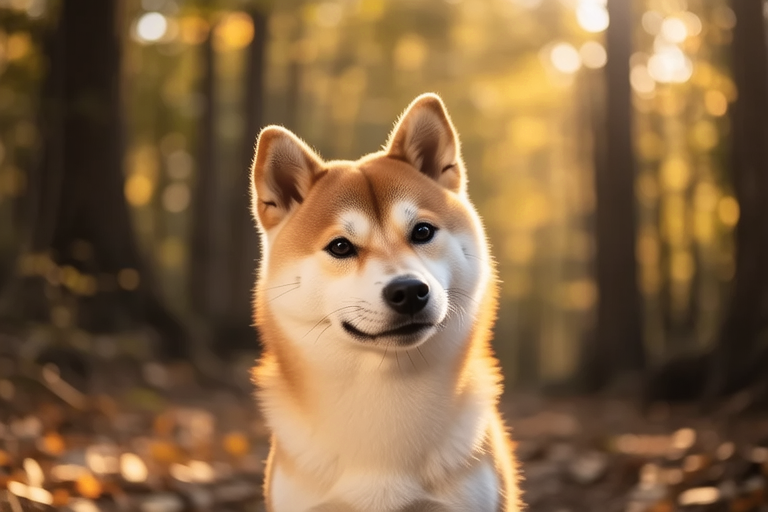
Shiba Inus are an ancient breed from Japan, known for their fox-like appearance, small size, and independent nature. They are intelligent, alert, and have a strong sense of self. Their temperament is often described as cat-like due to their aloofness and cleanliness. Shiba Inus are loyal to their family but may be reserved with strangers. This makes them excellent watchdogs but can pose challenges when it comes to socializing them with others.
Typical Behaviors of Shiba Inus
Shiba Inus are known for their playful, energetic, and sometimes mischievous behavior. They love to play fetch and chase, but they can also be quite stubborn and independent. These dogs are natural hunters and may try to chase smaller animals if given the opportunity. They are also known for their vocalizations, which can range from barking to howling. Shiba Inus are very clean and will groom themselves like cats, but they may also have a tendency to roll in smelly things outside.
Common Challenges Owners Face
One of the biggest challenges that Shiba Inu owners face is their dog’s independence and stubbornness. They can be difficult to train and may refuse to obey commands if they don’t see the point. Another challenge is their tendency to be selective about who they show affection to. Shiba Inus may be wary of strangers and can be protective of their territory. This can lead to aggressive behavior if not properly socialized. Additionally, Shiba Inus are known for their strong prey drive, which can make it difficult to walk them off-leash in areas where there are other animals.
Effective Training Techniques
To effectively train a Shiba Inu, it’s important to use positive reinforcement techniques such as treats, praise, and playtime. Consistency is key when training these dogs, as they need to understand what is expected of them. It’s also important to keep training sessions short and fun, as Shiba Inus can quickly become bored or distracted. Crate training can be useful for housebreaking and teaching your Shiba Inu to settle down. Socialization is also crucial, as it helps your dog learn how to behave around other people and animals.
Real-life example: Sarah, a Shiba Inu owner, found that her dog responded well to clicker training. She used a clicker to mark good behavior and then gave her dog a treat as a reward. Over time, her Shiba Inu learned to associate the click with positive reinforcement and became more responsive to commands.
Socialization Strategies
Socialization is essential for Shiba Inus, as it helps them learn how to behave around other people and animals. Start socializing your puppy early, exposing them to different environments, sounds, and people. Take your Shiba Inu to dog parks, obedience classes, and other places where they can interact with other dogs and people. It’s important to supervise all interactions to ensure that your Shiba Inu is comfortable and not becoming aggressive.
Expert advice: Dr. Jane Smith, a veterinarian specializing in canine behavior, recommends starting socialization at a young age. “Puppies are like sponges,” she says. “They absorb so much information during their early weeks of life. By exposing them to different stimuli, you’re helping them develop into well-adjusted adults.”
Health Considerations
Shiba Inus are generally healthy dogs, but they can be prone to certain health issues. Hip dysplasia, patellar luxation, and progressive retinal atrophy are some of the conditions that can affect this breed. Regular check-ups with a veterinarian are important to catch any potential health problems early. Dental care is also important, as Shiba Inus can be prone to gum disease. Brushing your dog’s teeth regularly and providing them with dental chews can help prevent this.
Diet Tips
A balanced diet is important for maintaining your Shiba Inu’s overall health. High-quality dog food that is appropriate for your dog’s age, weight, and activity level is recommended. Avoid feeding your Shiba Inu table scraps, as they can cause digestive issues. Treats should also be given in moderation, as they can contribute to obesity. Consult with your veterinarian to determine the best diet for your dog.
Exercise Needs
Shiba Inus are active dogs that require regular exercise to stay healthy and happy. Daily walks, runs, and playtime are important for keeping your Shiba Inu physically fit. Mental stimulation is also important, as these dogs can become bored and destructive if they don’t have enough to do. Interactive toys and puzzles can help keep your Shiba Inu mentally engaged.
Mental Stimulation
Mental stimulation is just as important as physical exercise for Shiba Inus. These dogs are intelligent and enjoy problem-solving activities. Puzzle toys, treat-dispensing toys, and hide-and-seek games can provide mental stimulation and prevent boredom. Training sessions and obedience classes can also help keep your Shiba Inu mentally sharp.
Patience, Consistency, and Positive Reinforcement
Patience, consistency, and positive reinforcement are key when it comes to managing a Shiba Inu’s spirited nature. These dogs can be stubborn and independent, but with the right approach, they can be trained to be obedient and well-behaved. Positive reinforcement techniques such as treats, praise, and playtime can help build a strong bond between owner and pet. Consistency is important, as Shiba Inus need to know what is expected of them. Patience is also necessary, as training can take time and effort.
Conclusion
Taming the wild and wily Shiba Inu temperament requires patience, consistency, and positive reinforcement. Understanding the unique characteristics of Shiba Inus, their typical behaviors, common challenges, effective training techniques, socialization strategies, health considerations, diet tips, exercise needs, and methods for providing mental stimulation can help owners manage their spirited nature while fostering a strong bond between owner and pet. With the right approach, Shiba Inus can be loving, loyal companions that bring joy and happiness to their families.
