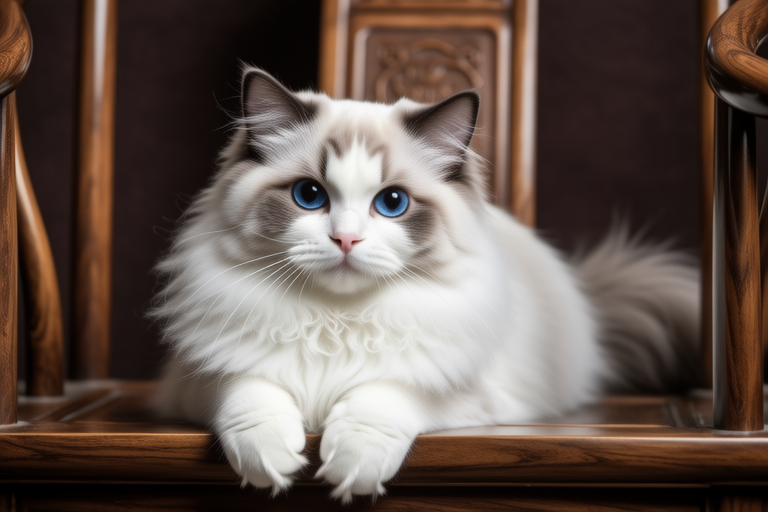
Adorable and Regal: The Ultimate Guide to Persian Cats
Persian cats have captivated hearts for centuries with their elegant appearance and charming personalities. Originating from Persia (now Iran), these regal felines have been cherished by royalty and commoners alike. Their history dates back thousands of years, with depictions of similar cats found in ancient Persian art. Today, Persian cats are one of the most popular breeds globally, known for their luxurious coats and gentle demeanor.
A Look at the Persian Cat’s Distinctive Appearance
The Persian cat is instantly recognizable by its long, flowing coat and large, round eyes that give it an almost human-like expression. These cats come in a wide variety of colors and patterns, making them a visually stunning addition to any home. Their dense, silky fur requires regular grooming to maintain its lustrous appearance. The breed’s facial structure is equally distinctive, featuring a short nose and wide-set eyes that contribute to their serene, almost otherworldly look.
The Affectionate Yet Reserved Temperament
Persians are often described as having a sweet, gentle nature. They are affectionate with their families but tend to be somewhat reserved around strangers. This makes them excellent companions for those seeking a quiet, peaceful pet. While they enjoy attention, they are not overly demanding and can be quite independent. They get along well with children who respect their space and handle them gently. However, due to their delicate facial features, they may not tolerate rough play.
Grooming Requirements
One of the hallmarks of owning a Persian cat is the extensive grooming required to keep their coat in top condition. Daily brushing is essential to prevent matting and hairballs. It’s also important to regularly clean their eyes to avoid tear staining, a common issue in this breed. Bathing should be done every few weeks or as needed, using a gentle shampoo specifically designed for cats. Clipping their nails and cleaning their ears should also be part of your grooming routine.
Dietary Needs
Feeding a Persian cat a balanced diet is crucial for maintaining their health and vitality. High-quality commercial cat food formulated for indoor cats is generally sufficient. However, some owners choose to supplement their pets’ diets with fresh vegetables or small amounts of cooked meat. Fresh water should always be available. Avoid giving them table scraps or foods that could be harmful to cats, such as chocolate or onions. Obesity can be a concern, so monitor their weight and adjust their portions accordingly.
Common Health Issues
Persian cats are prone to certain health conditions, many of which are related to their genetic makeup. Polycystic kidney disease (PKD) is a hereditary disorder that can lead to kidney failure. Regular veterinary check-ups and genetic testing can help manage this condition. Respiratory problems are also common, particularly in flat-faced Persians, due to their shortened nasal passages. Dental issues can occur, so it’s important to maintain good oral hygiene. Regular dental cleanings and providing appropriate chew toys can help prevent these issues.
Creating a Comfortable Living Environment
To ensure your Persian cat thrives, create a safe and stimulating environment. Provide them with plenty of soft bedding and cozy spots to rest. Vertical spaces like cat trees and window perches allow them to explore and observe their surroundings. Interactive toys and puzzle feeders can keep them mentally engaged. Persian cats appreciate routine and predictability, so try to establish a consistent schedule for feeding, playtime, and grooming.
Tips for Addressing Behavioral Concerns
While Persians are generally well-behaved, occasional behavioral issues may arise. For example, scratching furniture can be a problem. Providing sturdy scratching posts and trimming their claws can help mitigate this behavior. If your cat becomes overly vocal or displays signs of anxiety, consult with a veterinarian or animal behaviorist for guidance. Positive reinforcement training methods can be effective in addressing unwanted behaviors while strengthening the bond between you and your pet.
Choosing a Reputable Breeder or Adopting from Shelters
When considering adding a Persian cat to your family, it’s important to choose a reputable breeder or consider adoption from shelters. A responsible breeder will prioritize the health and well-being of their cats, providing documentation of genetic testing and vaccinations. They will also offer ongoing support and guidance. Adopting from a shelter can be rewarding, as you’re giving a loving home to a cat in need. Many shelters have Persian cats available for adoption, often already spayed or neutered and up-to-date on vaccinations.
Conclusion: Embrace Responsible Pet Ownership
Owning a Persian cat is a rewarding experience filled with joy and companionship. By understanding their unique needs and providing proper care, you can ensure a long, healthy, and happy life for your furry friend. Whether you’re a first-time pet owner or a seasoned cat lover, embracing responsible pet ownership involves making informed decisions about breeding, health, and lifestyle choices. With love, patience, and attention, your Persian cat will become an integral part of your family, bringing beauty and grace into your home.
