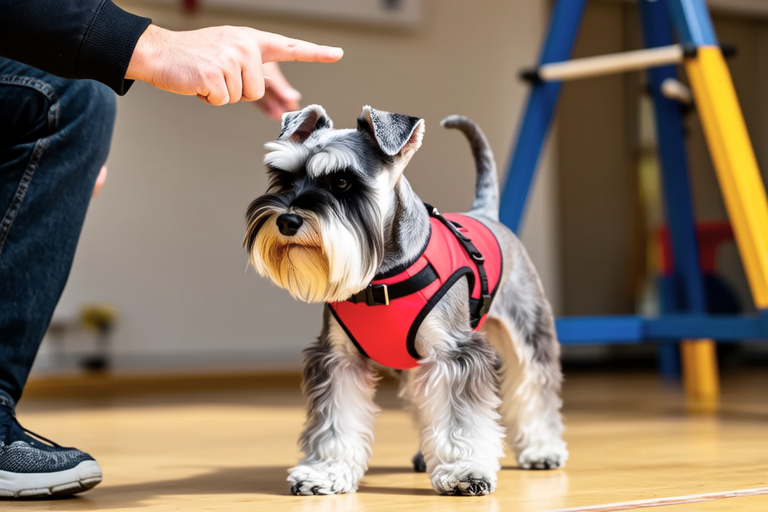
Schnauzer Training Hacks: Raising a Well-Behaved Pup Made Easy
Welcome to the world of Schnauzers! These charming, intelligent, and spirited dogs bring a unique blend of loyalty and playfulness into your home. Schnauzers are known for their distinctive beards and eyebrows, but beneath their rugged exteriors lies a heart full of love and a mind eager to learn. Training a Schnauzer can be both rewarding and challenging due to their strong will and high intelligence. With the right approach, you can ensure that your Schnauzer grows up to be a well-behaved, loving companion. This guide provides practical tips and tricks to help you through every step of the training journey.
Understanding Schnauzer Traits
Schnauzers are a breed of dog that requires consistent and patient training. Their intelligence means they can quickly grasp commands and tricks, but it also makes them prone to boredom if not kept mentally stimulated. They are naturally curious and alert, which can sometimes lead to stubbornness or mischief if not properly guided. However, their loyalty and affection towards their family make them excellent companions. Recognizing these traits is key to successfully raising a well-behaved Schnauzer.
Basic Obedience Training Techniques
Teaching your Schnauzer basic commands is essential for ensuring they are safe and well-behaved. Start by teaching them simple commands like “sit,” “stay,” “come,” and “leave it.” Use positive reinforcement, such as treats and praise, to encourage good behavior. Keep training sessions short and frequent to maintain their attention. Schnauzers respond well to clear, concise commands, so avoid using multiple words or phrases. Consistency is key; always use the same command word for each action to avoid confusion.
When teaching your Schnauzer to “sit,” hold a treat above their head and slowly move it backward, prompting them to sit. Once they sit, immediately reward them with the treat and praise. For “stay,” start by asking them to stay for just a few seconds, gradually increasing the duration as they get better at it. Always return to them and give a release command before ending the “stay” command.
Effective Socialization Methods
Socialization is crucial for Schnauzers, as it helps them become comfortable around other people, animals, and environments. Introduce your puppy to different situations and stimuli from a young age. Take them to parks, pet stores, and friends’ houses. Expose them to various sounds, smells, and sights to build their confidence and reduce anxiety. Encourage gentle interactions with other dogs and pets, ensuring all encounters are supervised and positive.
Group classes can also be beneficial, as they provide structured socialization opportunities while reinforcing obedience training. Choose a class that focuses on positive reinforcement and has a good reputation for handling Schnauzers. Regular exposure to different experiences will help your Schnauzer grow into a well-adjusted adult dog.
Common Behavioral Issues and Solutions
Like any breed, Schnauzers can develop behavioral issues if not trained properly. Some common problems include excessive barking, chewing, and separation anxiety. Addressing these issues early on can prevent them from becoming ingrained habits.
To curb excessive barking, teach your Schnauzer a “quiet” command. When they bark, wait until they pause, then say “quiet” and reward them with a treat. Over time, they will associate the command with the desired behavior. For chewing, provide appropriate chew toys and redirect their attention when they try to chew on something they shouldn’t. Offer praise and a treat when they choose the correct toy. Separation anxiety can be managed by gradually increasing the amount of time you leave your dog alone, providing comfort items like a blanket with your scent, and offering a long-lasting chew toy for distraction.
Diet and Exercise Tips for Optimal Behavior
A balanced diet and regular exercise are vital for maintaining a Schnauzer’s physical and mental health, which in turn influences their behavior. Feed your Schnauzer a high-quality dog food that meets their nutritional needs. Consult your veterinarian to determine the appropriate portion sizes based on their age, weight, and activity level. Avoid overfeeding, as excess weight can lead to health problems and affect their energy levels and mood.
Regular exercise is equally important. Schnauzers have a lot of energy and need plenty of physical activity to burn off excess energy and maintain a healthy weight. Daily walks, playtime in the yard, and interactive toys can help keep them active and engaged. Mental stimulation is also crucial for preventing boredom and destructive behavior. Puzzle toys, hide-and-seek games, and training sessions can challenge their minds and keep them entertained.
Creative Training Games to Stimulate Intelligence
Schnauzers are highly intelligent and enjoy mental challenges. Incorporating fun and engaging games into your training routine can help keep them mentally sharp and reinforce obedience skills. Here are a few ideas:
- Hide and Seek: Hide behind a door or under a blanket and call your Schnauzer to find you. Reward them with treats and praise when they locate you. This game teaches them to come when called and strengthens your bond.
- Fetch: Teach your Schnauzer to fetch by throwing a toy and encouraging them to bring it back. Use a consistent command like “fetch” or “bring it.” Reward them with treats and praise when they return the toy.
- Obstacle Course: Create an obstacle course using household items like chairs, cones, and boxes. Guide your Schnauzer through the course, rewarding them for successful completion. This game improves their agility and reinforces obedience commands.
Maintaining Consistency and Patience
The key to successful Schnauzer training is consistency and patience. Stick to a routine and use the same commands and rewards consistently. Be patient during the training process, understanding that setbacks may occur. Celebrate small victories and remain positive, even when progress seems slow. Remember, training is a partnership between you and your dog, and a strong bond built on trust and respect will lead to a well-behaved and happy Schnauzer.
With dedication and effort, you can raise a Schnauzer that is not only well-behaved but also a joy to be around. Embrace the unique qualities of this wonderful breed and enjoy the rewarding experience of training your loyal companion.
