The Siberian Husky Conundrum: Why This Breed Can Be Both Heaven and Chaos
When it comes to dog breeds, few embody the duality of being both heaven and chaos as vividly as the Siberian Husky. Known for their striking beauty, exceptional loyalty, and playful energy, these dogs have captured the hearts of many. Yet, their notorious independence, high prey drive, and difficulty in training present significant challenges. The Siberian Husky conundrum lies in balancing these two sides, making them both a dream come true and a daunting responsibility.
A Tale of Loyalty and Beauty
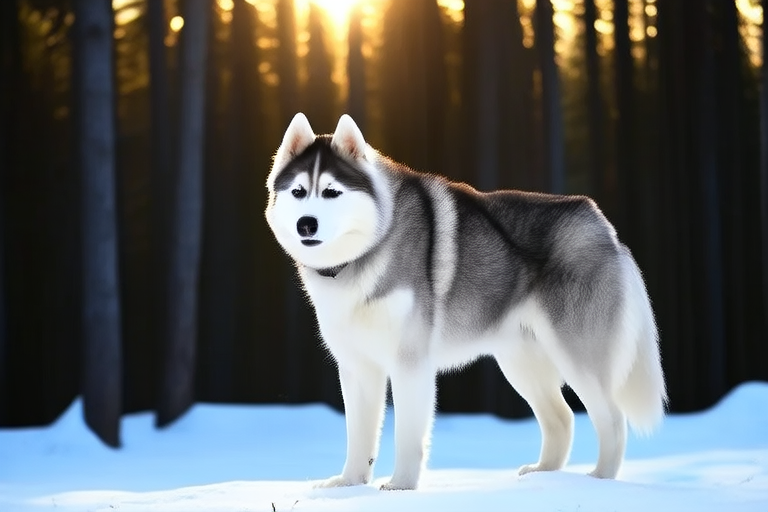
Siberian Huskies possess a unique charm that sets them apart from other breeds. Their striking blue or multi-colored eyes and thick, luxurious coats make them visually captivating. These dogs were originally bred by the Chukchi people of Siberia for sled pulling, a task that required both strength and endurance. This heritage has resulted in a breed that is not only physically impressive but also highly intelligent and loyal.
Many owners attest to the unwavering loyalty of their Siberian Huskies. For instance, Sarah, a Husky owner from Alaska, shares her story: “My Husky, Bella, has been my constant companion through thick and thin. She always knows when I need cheering up and will nuzzle me until I smile. Her loyalty is truly heartwarming.”
The Playful Side of Siberian Huskies
Besides their loyalty, Siberian Huskies are known for their playful and energetic personalities. They love to run and play, often engaging in activities that require physical exertion. Their playful nature makes them great companions for families and individuals who enjoy outdoor activities. However, their high energy levels can be overwhelming if not properly managed.
John, another Husky owner, describes his experience: “My Husky, Max, loves to play fetch. He can run for hours without getting tired. It’s amazing to watch him chase after the ball with such enthusiasm. But it also means we have to keep him occupied to prevent destructive behavior.”
The Independent Spirit
Despite their loyalty and playfulness, Siberian Huskies are notoriously independent. This trait stems from their history as working dogs, where they needed to think independently while pulling sleds across vast distances. While this independence can be endearing, it also makes them challenging to train.
Training a Siberian Husky requires patience and consistency. Positive reinforcement techniques, such as treats and praise, work best. However, even with proper training, Huskies may still exhibit stubbornness. Jane, a Husky owner, recounts her struggle: “Training my Husky, Loki, was a challenge at first. He would often ignore commands, but with persistence and positive reinforcement, he eventually learned to follow basic commands.”
High Prey Drive
Another characteristic of Siberian Huskies is their high prey drive. This instinctual behavior can lead to problems, especially if they are not adequately supervised. Their natural inclination to chase small animals, such as cats or squirrels, can result in dangerous situations. Therefore, it is crucial to provide them with ample opportunities to release this energy in a controlled environment.
Mary, a Husky owner, explains: “My Husky, Charlie, has a strong prey drive. We had to take extra precautions when we moved into our new home near a forest. We made sure to keep him on a leash during walks and provided plenty of toys to redirect his attention.”
Care and Exercise Needs
To ensure the well-being of a Siberian Husky, it is essential to meet their specific care and exercise needs. Huskies require regular grooming to maintain their coat’s health. Their thick fur sheds heavily, particularly during seasonal changes. Brushing them weekly can help reduce shedding and prevent matting.
Exercise is equally important. Siberian Huskies are highly active dogs that need daily physical activity to stay healthy and happy. A combination of long walks, runs, and playtime is ideal. Agility courses and dog sports can also provide mental stimulation and physical exercise.
Training Tips for Siberian Huskies
Training a Siberian Husky requires a balanced approach that combines positive reinforcement, consistency, and patience. Start with basic obedience training, focusing on commands like ‘sit,’ ‘stay,’ and ‘come.’ Use treats and praise to reward desired behaviors. Gradually increase the difficulty of commands as your Husky masters the basics.
Consistency is key in training. Ensure all family members use the same commands and rewards. This helps prevent confusion and reinforces good behavior. Additionally, socialization is crucial. Expose your Husky to different environments, people, and other animals from an early age to promote well-rounded behavior.
Advice for Potential Owners
Adopting a Siberian Husky is a significant decision that requires careful consideration. Prospective owners should understand the breed’s dual nature and be prepared to commit to their care and training. It is essential to research the breed thoroughly and consult with experienced Husky owners or breeders for guidance.
Those considering adopting a Siberian Husky should also be aware of the time and effort required. Huskies need regular exercise, grooming, and mental stimulation. They thrive in environments where they can engage in physical activities and interact with their owners. Providing a stimulating and loving home can help mitigate the challenges associated with owning a Siberian Husky.
In conclusion, the Siberian Husky conundrum lies in balancing their exceptional loyalty, striking beauty, and playful energy with their notorious independence, high prey drive, and difficulty in training. By understanding and addressing these traits, potential owners can fully appreciate the joys of owning a Siberian Husky while minimizing the challenges. With proper care, exercise, and training, these remarkable dogs can bring immense happiness and companionship to their human families.
