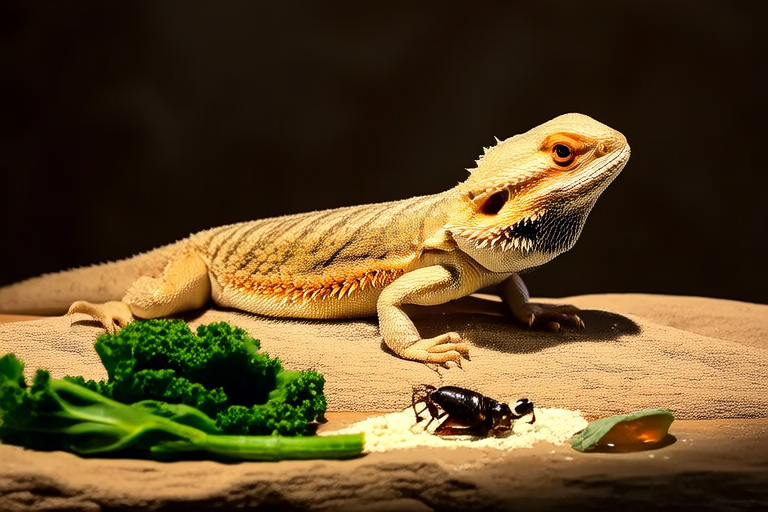
The Ultimate Bearded Dragon Diet Guide: What Your Pet Actually Needs
Bearded dragons are popular pets among reptile enthusiasts due to their docile nature and engaging personalities. However, ensuring that your bearded dragon thrives requires a well-rounded diet rich in essential nutrients. This guide will provide you with all the necessary information about what your pet actually needs to maintain optimal health.
Nutritional Requirements
Bearded dragons require a balanced diet that includes vitamins, minerals, and protein. The primary nutritional components include calcium, phosphorus, vitamin D3, and various other vitamins and minerals. Ensuring these nutrients are present in the correct proportions is crucial for preventing deficiencies and promoting overall health.
Ideal Food Types
Vegetables
Leafy greens like collard greens, mustard greens, and dandelion greens are excellent sources of calcium and other essential nutrients. Other suitable vegetables include bell peppers, carrots, squash, and green beans. It’s important to avoid feeding too many high-oxalate vegetables such as spinach, which can interfere with calcium absorption.
Fruits
Fruits should be given sparingly, as they are higher in sugar than vegetables. Safe options include berries, melons, and apples. Feeding too much fruit can lead to obesity and digestive issues.
Proteins
Protein sources should make up about 20% of the diet. Crickets, mealworms, superworms, and dubia roaches are good choices. It’s essential to gut-load feeder insects by providing them with nutritious food before feeding them to your dragon. Gut-loading ensures that the insects are rich in vitamins and minerals.
Portion Sizes and Feeding Schedules
Newborn bearded dragons need to eat daily, while adults can be fed every other day. The amount of food depends on the age and size of the dragon. A general guideline is to offer as much food as the dragon can consume within 10-15 minutes. Overfeeding can lead to obesity and related health problems.
Common Feeding Mistakes and Their Impacts on Health
One common mistake is feeding an imbalanced diet lacking sufficient calcium or vitamin D3. This can result in metabolic bone disease, causing brittle bones and deformities. Another mistake is over-relying on commercial foods without adding fresh vegetables and insects. Fresh foods are vital for providing a variety of nutrients that commercial diets may lack.
Tips for Preparing and Offering Meals Safely
Always wash vegetables thoroughly to remove any pesticides or contaminants. Gut-load feeder insects by offering them nutritious foods like leafy greens, carrots, and sweet potatoes. Avoid feeding wild-caught insects, as they may carry parasites or toxins harmful to your dragon.
When preparing meals, cut vegetables into appropriate sizes to prevent choking hazards. Offer a mix of different vegetables and insects to ensure a varied diet. Use a shallow dish or bowl for feeding to prevent water contamination.
Variety in Diet
Incorporating a wide range of vegetables, fruits, and proteins is key to maintaining a healthy bearded dragon. Rotating the types of food offered each week helps ensure your dragon receives all necessary nutrients. Some recommended vegetables include kale, turnip greens, and zucchini. Fruits like blueberries, papaya, and mango can also be included occasionally.
Supplements
Supplementing the diet with calcium and vitamin D3 powders can help prevent deficiencies. Dusting food items with these supplements before feeding is recommended. However, care should be taken not to over-supplement, as this can lead to toxicity.
Monitoring Health and Adjusting the Diet
Regular veterinary check-ups are crucial for monitoring your bearded dragon’s health. Changes in appetite, weight, or behavior might indicate dietary or health issues. Adjust the diet based on the veterinarian’s recommendations to address any deficiencies or excesses.
Conclusion
Providing a balanced and nutritious diet is fundamental to the well-being of your bearded dragon. By understanding the essential nutrients and incorporating a variety of vegetables, fruits, and proteins into their diet, you can ensure your pet remains healthy and vibrant. Always consult with a veterinarian for personalized advice tailored to your specific pet’s needs.
