10 Fascinating Facts About Bengal Cats You Need to Know
Bengal cats are a breed that combines the wild beauty of a leopard with the loving nature of a domestic cat. Their striking appearance, unique behavior, and interesting history make them one of the most fascinating breeds out there. Whether you’re a seasoned cat enthusiast or considering adding a Bengal to your family, here are ten fascinating facts about Bengal cats that you need to know.
1. A Unique Hybrid Origin
The Bengal cat is a hybrid breed developed through crossbreeding Asian leopard cats with domestic cats. This breeding program was initiated by Jean Mill in the 1960s with the aim of creating a cat that would possess the beauty and grace of a wild cat while maintaining the temperament of a domestic pet. The result is a cat that looks like a small leopard but behaves like a typical house cat, making it a popular choice for those who love the look of wild animals but prefer the companionship of a domestic pet.
2. Exotic Appearance
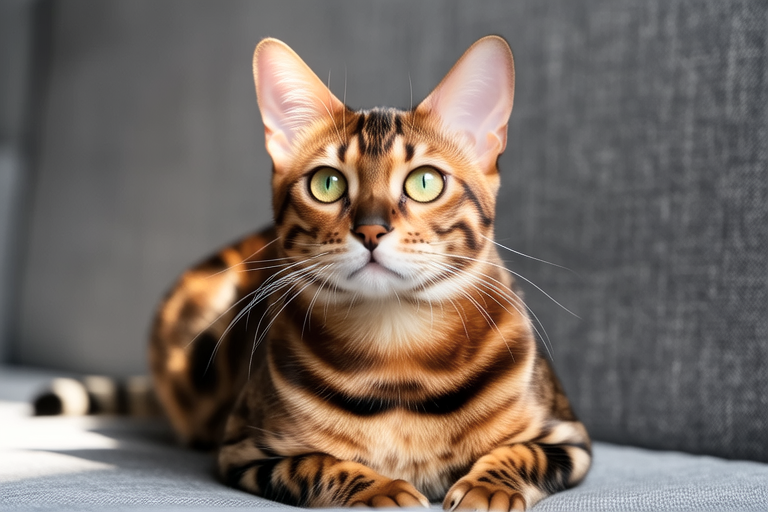
Bengals are known for their stunning coat patterns. They have rosettes, which are spots within spots, giving them a distinctive and exotic appearance reminiscent of leopards. These rosettes can be marbled, spotted, or a combination of both. The background color of their coats can range from light brown to dark black, adding to their allure. Their fur is also quite unique; it has a pelt-like texture that is water-resistant, which is another trait inherited from their wild ancestors.
3. Highly Active and Playful
Bengals are incredibly active and playful, often engaging in behaviors that might surprise new owners. They love to play fetch, climb, and explore, sometimes even swimming if given the opportunity. This high level of activity means they require plenty of mental and physical stimulation to stay happy and healthy. Owners should provide them with toys, climbing structures, and interactive games to keep their minds engaged. Their energy levels can be comparable to those of dogs, making them great companions for families looking for a more interactive pet.
4. Vocal and Social
Unlike some other cat breeds that are more reserved, Bengals are quite vocal and social. They enjoy interacting with their owners and may even follow them around the house, much like a dog. Their communication includes chirping, trilling, and meowing, which can be quite expressive. This sociability makes them excellent pets for individuals who enjoy constant companionship and interaction.
5. Intelligent and Curious
Bengals are known for their intelligence and curiosity. They are quick learners and can be trained to perform tricks, such as shaking hands or walking on a leash. Their curiosity leads them to explore every corner of their environment, which can sometimes result in mischief. Providing them with puzzle toys and enrichment activities is essential to keep them mentally stimulated and prevent boredom-related behaviors.
6. Adaptation to Water
One of the most unique traits of Bengal cats is their affinity for water. Unlike many other cat breeds that avoid water at all costs, Bengals are known to enjoy splashing around in shallow pools or baths. This trait is believed to stem from their ancestry, as their wild relatives, the Asian leopard cats, are adept swimmers. Encouraging this natural behavior can be a fun way to bond with your Bengal, provided you keep it safe and supervised.
7. High Jumpers
Bengals are exceptional jumpers, capable of reaching impressive heights. Their muscular build and strong hind legs give them the power to leap onto high surfaces with ease. It’s not uncommon for them to reach shelves, countertops, and even window sills that might seem out of reach for other cats. To prevent them from getting into trouble, consider installing tall cat trees or providing them with safe, high perches.
8. Hypoallergenic Tendencies
Bengals are often considered hypoallergenic due to their short, dense coats that produce less dander than other breeds. However, it’s important to note that no cat is entirely hypoallergenic, and individual reactions can vary. If you’re prone to allergies, spending time with a Bengal before adopting one can help determine if it’s a good match for you. Additionally, regular grooming and cleaning can further reduce allergens in the home.
9. Lifespan and Health
Bengals typically live between 12 to 16 years, which is within the normal range for domestic cats. However, they are generally healthier than many other purebred cats due to their hybrid origins, which can help reduce the incidence of certain genetic disorders. Regular veterinary check-ups, a balanced diet, and plenty of exercise are key to ensuring a long and healthy life for your Bengal. Early signs of any health issues should be addressed promptly to maintain their well-being.
10. Conservation Contribution
While the breeding of Bengal cats does not directly contribute to conservation efforts, it plays a role in reducing the demand for wild-caught exotic pets. By offering an alternative that captures the beauty of wild cats without the ethical concerns, Bengal cats help to preserve wildlife populations. Additionally, proceeds from Bengal cat shows and events often go towards funding conservation projects, furthering their positive impact on environmental protection.
In conclusion, Bengal cats are a unique and captivating breed that offers a blend of wild charm and domestic affection. Their origins, physical characteristics, behaviors, and unique traits make them stand out among other cat breeds. For those who appreciate the beauty of nature and enjoy a lively, interactive companion, a Bengal cat could be the perfect addition to your family. As with any pet, proper care and attention are crucial to ensuring a happy and healthy life for your Bengal. With their vibrant personalities and striking appearance, these cats are sure to bring joy and excitement to any household.
