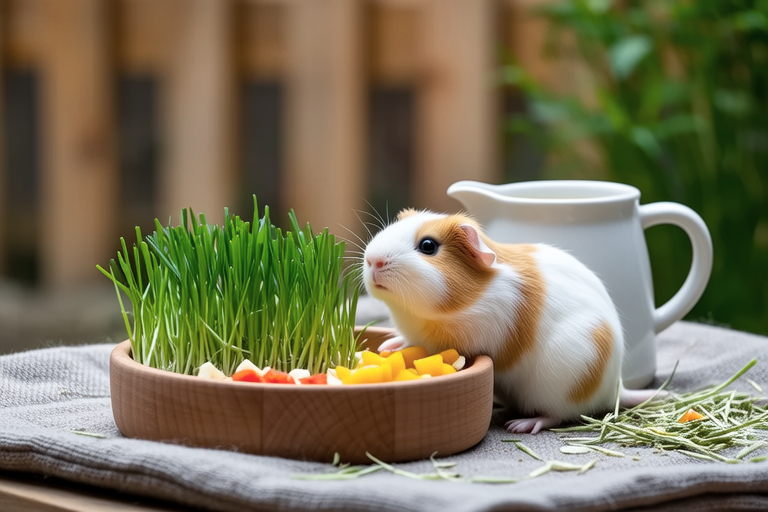
The Ultimate Guide to Setting Up a Perfect Habitat for Your Guinea Pig
Guinea pigs are delightful, social pets that bring joy and companionship into our lives. However, ensuring their health and happiness requires creating a stimulating and safe habitat. This comprehensive guide will walk you through setting up the perfect home for your guinea pig, covering everything from selecting the right cage to maintaining a clean and safe environment.
Selecting the Right Cage Size and Type
The first step in setting up a perfect habitat for your guinea pig is choosing the right cage. The size of the cage is crucial as it directly impacts the quality of life for your pet. A cage that is too small can lead to stress, obesity, and behavioral issues. Ideally, the cage should be at least 7.5 square feet (70×100 cm) for one guinea pig, but larger is always better, especially if you plan to have more than one. The cage should also be low to the ground to prevent any potential falls.
There are various types of cages available, including wire-bottomed cages, solid-bottomed cages, and multi-level cages. Wire-bottomed cages are popular due to their ease of cleaning, but they can cause foot injuries if the wires are too close together. Solid-bottomed cages provide more comfort for your guinea pig’s feet and are easier to clean thoroughly. Multi-level cages offer more space and opportunities for exploration, but they require careful assembly to ensure no sharp edges or gaps that could trap your pet.
Essential Bedding Materials
Choosing the right bedding material is essential for your guinea pig’s comfort and hygiene. The bedding should absorb moisture, be dust-free, and free from chemicals. Popular choices include paper-based bedding, wood shavings, and fleece liners. Paper-based bedding is highly absorbent and easy to dispose of, making it a great option for those who prefer convenience. Wood shavings, particularly pine and aspen, are widely used but can be dusty and may contain harmful oils. Fleece liners are reusable and washable, providing a soft surface for your guinea pig.
Regardless of the bedding material you choose, it is important to change it regularly to maintain cleanliness and prevent odor. Aim to change the bedding at least once a week, or more frequently if there is noticeable soiling. Additionally, provide a thick layer of bedding to ensure your guinea pig has a comfortable sleeping area.
Appropriate Toys and Accessories
Toys and accessories play a vital role in keeping your guinea pig mentally stimulated and physically active. Providing a variety of toys will help prevent boredom and encourage natural behaviors. Consider items like tunnels, chew toys, hay racks, and exercise wheels. Tunnels allow your guinea pig to explore and hide, mimicking their natural burrowing behavior. Chew toys, such as wooden blocks or cardboard tubes, help wear down their continuously growing teeth. Hay racks keep hay off the floor, reducing mess and promoting cleaner eating habits. Exercise wheels provide a safe way for your guinea pig to run and burn off excess energy.
When selecting toys and accessories, ensure they are safe and appropriate for your pet. Avoid anything with small parts that could be swallowed or sharp edges that could cause injury. Regularly inspect and replace worn-out toys to maintain a safe environment.
Proper Ventilation
Adequate ventilation is crucial for maintaining good air quality within the cage. Poor ventilation can lead to respiratory problems and unpleasant odors. Ensure the cage has plenty of airflow by choosing one with wire sides or mesh panels. Avoid completely enclosed cages, as they trap odors and can lead to overheating. Position the cage away from direct sunlight and drafts to maintain a consistent temperature.
In addition to proper ventilation, consider using air purifiers or fans to improve air circulation in the room where the cage is located. This will further reduce odors and create a healthier living environment for both your guinea pig and yourself.
Temperature Control
Guinea pigs are sensitive to extreme temperatures and thrive in environments that are neither too hot nor too cold. The ideal temperature range for guinea pigs is between 65°F and 75°F (18°C to 24°C). Temperatures above 80°F (27°C) can cause heatstroke, while temperatures below 60°F (15°C) can lead to hypothermia. To ensure your guinea pig stays comfortable, monitor the temperature in the room where the cage is located and adjust as necessary.
In warmer months, provide shade and cool water to help your guinea pig stay hydrated. In colder months, consider using a heating pad or blanket specifically designed for small animals to provide extra warmth. Always place the heating source outside the cage to prevent burns or electrical hazards.
Hiding Spots
Providing hiding spots is essential for your guinea pig’s mental well-being. These spaces offer a sense of security and privacy, which is especially important for shy or nervous guinea pigs. You can create hiding spots using cardboard boxes, plastic igloos, or fabric tunnels. Place these items in different locations within the cage to encourage exploration and provide multiple options for your guinea pig to choose from.
Ensure the hiding spots are stable and cannot topple over easily. Check them regularly for signs of wear and tear, and replace them when necessary to maintain a safe environment.
Feeding Areas
Designating specific areas for feeding ensures your guinea pig has a clean and organized space to eat. Use a sturdy food dish that is easy to clean and refill. Place the dish in a quiet corner of the cage where your guinea pig feels secure while eating. Additionally, provide a hay rack or feeder to keep hay off the floor and reduce mess. This will also encourage your guinea pig to eat more hay, which is essential for their digestive health.
Regularly check the food and water dishes to ensure they are clean and full. Replace water daily and clean the food dish at least once a week to maintain hygiene and prevent bacterial growth.
Cleaning Schedules
Maintaining a regular cleaning schedule is vital for keeping your guinea pig’s habitat clean and hygienic. A clean environment reduces the risk of illness and promotes overall health. Start by changing the bedding weekly and spot-cleaning any soiled areas more frequently. Deep clean the entire cage every month, removing all bedding and accessories, scrubbing the cage with a pet-safe cleaner, and allowing it to dry completely before replacing the bedding and toys.
During deep cleaning, pay special attention to areas where urine and feces accumulate, such as corners and under the water bottle. Clean and disinfect the water bottle and food dishes regularly to prevent the growth of bacteria. By establishing a consistent cleaning routine, you will create a safe and healthy environment for your guinea pig.
Safety Precautions
Ensuring the safety of your guinea pig is paramount. Take precautions to prevent accidents and injuries by securing the cage properly and avoiding toxic plants and substances. Use a sturdy lock or latch to prevent your guinea pig from escaping and protect them from predators. Keep the cage away from areas where household chemicals or toxic plants are present, and avoid using cleaning products that contain harsh chemicals near the cage.
Supervise your guinea pig during playtime outside the cage to prevent them from chewing on electrical cords or other dangerous objects. Provide safe chew toys and redirect their attention if they show interest in hazardous items. By taking these precautions, you will create a secure and enjoyable environment for your guinea pig.
In conclusion, setting up a perfect habitat for your guinea pig involves careful consideration of many factors, from cage size and bedding materials to toys, ventilation, and cleaning schedules. By following this comprehensive guide, you will create a stimulating and healthy environment that promotes your guinea pig’s well-being. Remember to regularly assess and adjust the habitat based on your pet’s needs and preferences to ensure they live a happy and fulfilling life.
