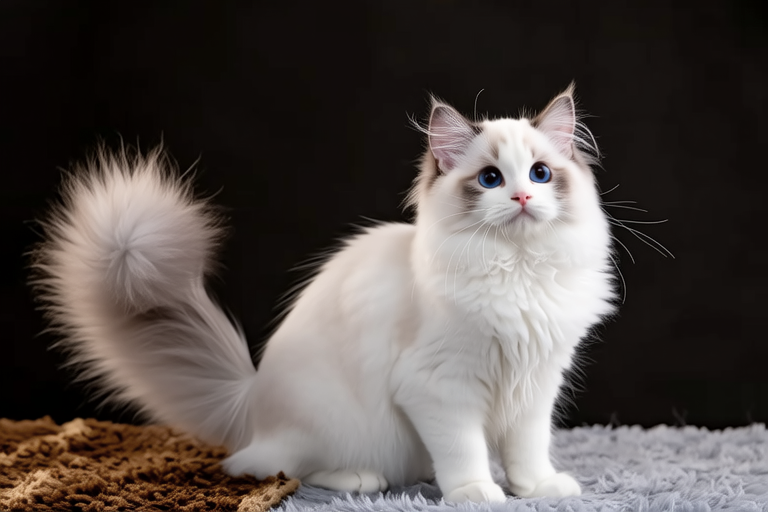
Meet the Gentle Giants: A Comprehensive Guide to Ragdolls
The world of feline companionship offers a wide array of breeds, each with its unique charm and characteristics. Among these, the Ragdoll stands out as one of the most endearing and sought-after breeds. Known for their exceptional friendliness and affectionate demeanor, Ragdolls have earned the nickname “gentle giants” among cat enthusiasts. This comprehensive guide will delve into the many facets of Ragdoll cats, providing you with all the information you need to understand, appreciate, and care for these remarkable creatures.
Unique Characteristics of Ragdoll Cats
Ragdolls are known for their distinctive docile and serene nature. They are often described as “dog-like” in their behavior due to their tendency to follow their owners around the house and their loyalty. Their laid-back personalities make them ideal companions for families, children, and even those living in smaller spaces. Ragdolls are particularly noted for their willingness to be carried or held, a trait that sets them apart from many other cat breeds.
Physical Traits
Physically, Ragdolls are medium to large-sized cats with a robust and muscular build. Males typically weigh between 10 to 20 pounds, while females range from 8 to 15 pounds. They possess a semi-longhaired coat that is silky and soft to the touch, contributing to their luxurious appearance. Ragdolls come in a variety of colors and patterns, including seal, blue, chocolate, and lilac point, along with their respective combinations such as tortie (tortoiseshell) and tabby points. The classic pattern features a lighter body color with darker points on the face, ears, paws, and tail, which intensify as the cat matures.
Temperament and Interaction
Ragdolls are renowned for their peaceful and amiable temperament. They are highly social animals that thrive on human interaction and companionship. These cats tend to form strong bonds with their owners and can become quite attached, often seeking out attention and affection. They are generally good with children and other pets, making them excellent additions to family households. Their calm demeanor makes them suitable for homes with dogs or other cats, provided proper introductions are made.
Grooming Needs
Despite their long coats, Ragdolls are relatively low-maintenance when it comes to grooming. Their silky fur sheds less than many other long-haired breeds, but regular brushing is still necessary to prevent matting and keep their coat in top condition. Weekly brushing sessions are recommended, though more frequent brushing may be required during shedding seasons. Additionally, bathing your Ragdoll every few months can help maintain their coat’s cleanliness and shine.
Health Considerations
Like any breed, Ragdolls are prone to certain health issues. Hypertrophic cardiomyopathy (HCM), a heart disease, is one of the most common conditions affecting this breed. Regular veterinary check-ups are crucial for early detection and management of such ailments. Obesity is another concern, as Ragdolls have a tendency to overeat. Maintaining a balanced diet and ensuring regular exercise can help mitigate this risk.
Behavioral Traits
Ragdolls are known for their playful yet relaxed demeanor. They enjoy interactive playtime with toys and can be trained to walk on a leash, further showcasing their adaptability. However, it is important to note that Ragdolls are not overly active cats and prefer a quiet, stable environment. Providing them with climbing structures and scratching posts can help satisfy their natural instincts and keep them entertained.
Tips for Potential Owners
Dietary Recommendations: A well-balanced diet is essential for maintaining a Ragdoll’s health. High-quality commercial cat foods designed for indoor cats are generally sufficient. However, consulting with a veterinarian about specific nutritional needs based on age, weight, and activity level is advisable. Avoid overfeeding, as obesity can lead to various health problems.
Exercise Routines: While not overly energetic, Ragdolls benefit from regular exercise to maintain their physical and mental health. Interactive play sessions with toys that encourage movement, such as feather wands or laser pointers, can help stimulate their minds and bodies. Providing access to safe outdoor areas under supervision or setting up an indoor cattery can also offer them opportunities for exploration and physical activity.
Training Tips: Ragdolls are intelligent and trainable cats. Positive reinforcement techniques, such as treats and praise, can be used to teach basic commands or tricks. Encouraging good behavior from an early age helps establish a harmonious relationship between owner and pet.
History of the Breed
The origin of the Ragdoll breed dates back to the 1960s when Ann Baker, a breeder from California, developed the first Ragdoll cats. She selectively bred white Angora cats with Birman and Burmese cats to create a cat with a docile, affectionate nature and striking appearance. The name “Ragdoll” was inspired by the tendency of these cats to go limp when picked up, resembling a soft, cuddly doll. Over time, the breed gained popularity, and today, Ragdolls are cherished by cat lovers worldwide for their unique combination of beauty and personality.
Why Ragdolls Are Considered Gentle Giants
Ragdolls are indeed gentle giants in the feline world. Their large size, coupled with their serene and affectionate disposition, makes them stand out among other cat breeds. Their ability to form deep bonds with their owners and their suitability for family life further cements their reputation as gentle giants. For those seeking a loyal, loving companion who brings joy and warmth to their home, the Ragdoll is an excellent choice.
In conclusion, Ragdoll cats are truly remarkable pets that offer a unique blend of beauty, intelligence, and affection. Whether you’re a seasoned cat owner or considering adopting your first feline friend, the Ragdoll’s gentle giant persona promises a rewarding and enriching experience. By understanding their needs and providing appropriate care, you can ensure that your Ragdoll leads a happy and healthy life, becoming an integral part of your family.
