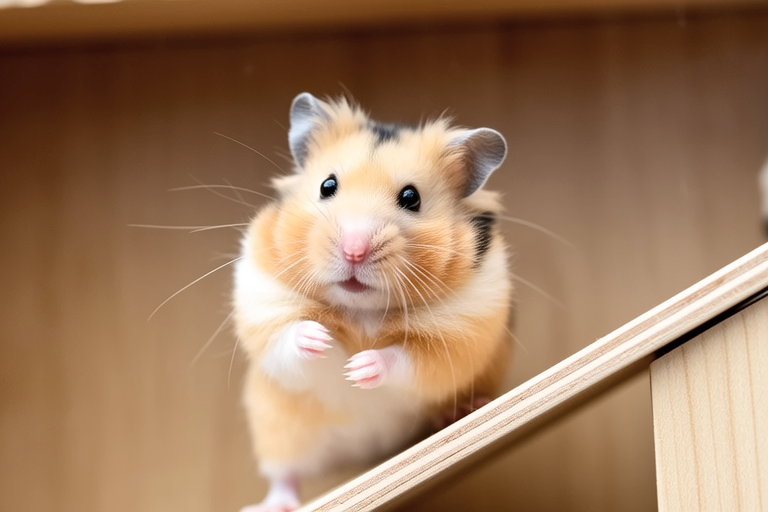
How to Train Your Hamster: Fun Tricks to Bond with Your Little Friend
Welcome to the world of hamster training! Training your hamster can be a delightful and rewarding experience that brings you closer to your little friend. Not only does it enhance the bond between you and your pet, but it also stimulates their mind, making them happier and healthier. By teaching your hamster a few simple tricks, you can enjoy quality time together while encouraging good behavior. This guide will walk you through everything you need to know about training your hamster, from creating a conducive training environment to understanding their basic behaviors and learning some fun commands.
The Benefits of Training and Bonding with Your Hamster
Training your hamster offers several benefits. Firstly, it strengthens the emotional connection between you and your pet. As you engage in positive interactions, your hamster will associate you with pleasant experiences, leading to a stronger bond. Secondly, training can help stimulate your hamster’s mind, preventing boredom and potential behavioral issues. Lastly, training can make your hamster more comfortable around people, which is especially useful if you have visitors or other family members who want to interact with your pet.
Setting Up a Conducive Training Environment
To ensure successful training sessions, it’s essential to set up a suitable environment. Choose a quiet area free from distractions where your hamster feels safe and secure. A clean, spacious cage with enough room for your hamster to move around comfortably is ideal. Make sure the area is well-lit and has a consistent temperature. Additionally, ensure that the training area is free from hazards such as open water sources or sharp objects.
For training sessions, it’s best to use a flat surface like a table or a large, shallow box. Place a soft towel or blanket over the surface to provide a comfortable and non-slippery area for your hamster. This setup helps your hamster feel at ease and reduces the risk of injury during training exercises.
Understanding Basic Hamster Behavior
Before diving into training, it’s crucial to understand your hamster’s natural behaviors. Hamsters are nocturnal creatures, meaning they are most active at night. They are also territorial and may become aggressive if they feel threatened. Therefore, it’s important to handle your hamster gently and avoid sudden movements that could startle them.
Hamsters are curious and playful by nature, which makes them excellent candidates for training. However, they also have short attention spans, so keep training sessions short and engaging. Observe your hamster’s body language to gauge their mood and comfort level. Signs of stress include flattened ears, teeth grinding, or excessive grooming. If you notice these signs, take a break and try again later.
Simple Commands Your Hamster Can Learn
Teaching your hamster basic commands can be a fun way to interact with them. Here are a few simple commands your hamster can learn:
Coming When Called
Teaching your hamster to come when called can be particularly useful for retrieving them from their cage. Start by calling your hamster’s name in a gentle, inviting tone. Once they approach, reward them with a treat. Repeat this process several times until your hamster associates your call with getting a treat. Gradually increase the distance between you and your hamster, ensuring they still respond to your call.
Fetching Small Objects
Fetching is another enjoyable trick to teach your hamster. Begin by placing a small, lightweight object, like a ping pong ball, within reach of your hamster. Encourage them to pick up the object and bring it back to you using gentle encouragement and treats. Be patient; some hamsters may need more time to grasp the concept than others. With consistent practice, your hamster should learn to fetch objects upon command.
Tips for Maintaining Short, Positive Training Sessions
Training sessions should be kept short and positive to maintain your hamster’s interest and prevent burnout. Aim for sessions lasting no more than 10-15 minutes, depending on your hamster’s energy levels. During each session, focus on one or two commands to avoid overwhelming your pet. Keep the atmosphere light and fun, and always end the session on a high note by rewarding your hamster with a treat and some praise.
Consistency is key in training. Try to schedule regular training sessions at the same time each day, ideally when your hamster is most active. This routine helps reinforce the commands and strengthens the bond between you and your pet. Remember to be patient and understanding throughout the process, as every hamster learns at their own pace.
Using Treats as Rewards
Treats play a vital role in hamster training. Use small, healthy treats that your hamster enjoys, such as tiny pieces of fruits or vegetables, seeds, or specially formulated hamster treats. Avoid overfeeding your hamster during training sessions, as too many treats can lead to weight gain. Instead, use treats sparingly to reinforce positive behavior.
When giving treats, place them near your hand or the object you’re trying to teach your hamster to interact with. This helps create a positive association between the command and the reward. Always offer treats immediately after your hamster successfully completes a task to reinforce the desired behavior.
Ensuring Patience Throughout the Process
Patient and gentle handling is crucial when training your hamster. Hamsters are sensitive animals, and any form of rough handling or negative reinforcement can cause them stress and fear. Always approach your hamster calmly and gently, allowing them time to adjust to new situations. If your hamster seems hesitant or scared, give them space and try again another time.
Remember that every hamster is different, and some may take longer to learn certain commands than others. Be patient and persistent, offering plenty of encouragement and rewards along the way. Celebrate small victories, and don’t get discouraged if progress seems slow. With time and effort, your hamster will learn to trust and bond with you.
Conclusion: Strengthening the Bond Between Owner and Hamster
Consistent training can significantly enhance the bond between you and your hamster. As you spend more time interacting and playing with your pet, you’ll deepen your understanding of their needs and preferences. This increased knowledge allows you to provide better care and create a more enriching environment for your hamster.
Regular training sessions also provide opportunities for quality time together, strengthening the emotional connection between you and your pet. A well-trained hamster is often more confident and relaxed around people, making them a joy to have in your home. By investing time and effort into training your hamster, you’re not only improving their life but also enhancing your own enjoyment as a pet owner.
So, gather your patience, treats, and enthusiasm, and embark on this exciting journey of training and bonding with your hamster. Together, you’ll create lasting memories and a strong, loving relationship that will bring you both countless hours of happiness.
