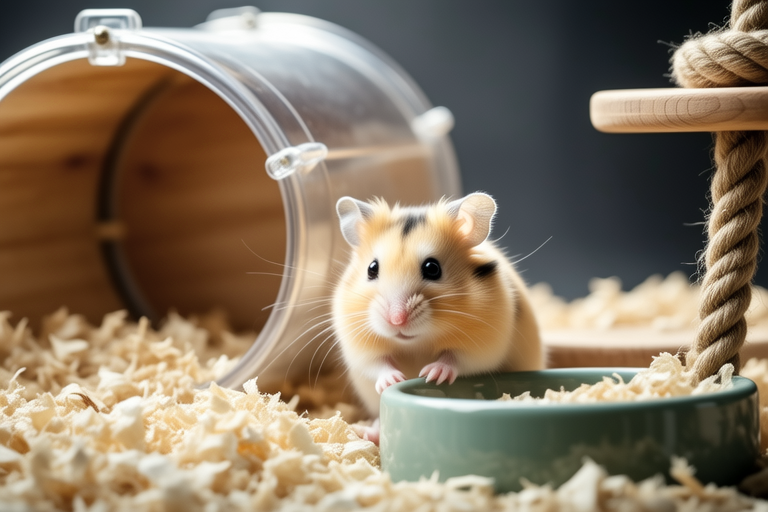
How to Create the Ultimate Play Area for Your Tiny Hamster Friend
Welcome to the world of tiny, fluffy friends! Hamsters are delightful pets that require careful attention to their living space. Creating the ultimate play area for your hamster friend involves understanding their needs, preferences, and behaviors. This comprehensive guide will walk you through everything from choosing the right cage to adding fun and stimulating toys, ensuring your hamster lives a happy, healthy life.
Selecting the Right Size Cage
The first step in creating the perfect play area for your hamster is selecting the right cage. A cage that’s too small can lead to stress and health issues, while one that’s too large might be overwhelming for your little friend. Ideally, choose a cage that provides ample room for your hamster to explore and exercise. For dwarf hamsters, a cage measuring at least 360 square inches (24″ x 15″) is recommended, whereas Syrian hamsters need a minimum of 750 square inches (36″ x 20″).
Remember, the cage should have multiple levels or enough vertical space to encourage climbing and jumping. Wire cages are popular because they allow for better air circulation, but ensure the spacing between wires is small enough to prevent your hamster from escaping or injuring itself.
Picking the Perfect Bedding Material
Bedding plays a crucial role in keeping your hamster comfortable and cozy. Opt for soft, absorbent, and dust-free bedding materials such as shredded paper, recycled paper pellets, or aspen shavings. Avoid cedar and pine shavings as they release aromatic oils that can irritate your hamster’s respiratory system.
Ensure you provide enough bedding to make a nest for your hamster. This will help them feel secure and mimic their natural burrowing behavior. A depth of about two inches is ideal, allowing your hamster to dig and create tunnels within their home.
Adding Safe and Stimulating Toys
Toys are essential for mental stimulation and physical activity. Hamsters are naturally curious creatures and love to chew, climb, and dig. Provide a variety of toys that cater to these behaviors. Chew sticks and wooden blocks are great for gnawing, which helps wear down their continuously growing teeth. Tunnels and tubes offer opportunities for exploration, while hanging toys encourage climbing.
Rotate toys periodically to keep your hamster engaged and prevent boredom. Introduce new items gradually to avoid overwhelming them. Always ensure that any toy you add is safe for hamsters and free from harmful chemicals or small parts that could be ingested.
Ensuring Proper Ventilation
Adequate ventilation is vital for maintaining good air quality within the cage. Poor ventilation can lead to respiratory problems in hamsters. Ensure the cage has sufficient airflow by placing it in a well-ventilated area away from direct sunlight and drafts. If using a wire cage, make sure there are no gaps that could trap your hamster’s tail or limbs.
Additionally, avoid overcrowding the cage with too many accessories, as this can block airflow. Regularly check the cage for signs of dampness or mold, which can also affect air quality.
Incorporating Exercise Wheels
An exercise wheel is a must-have accessory for any hamster cage. Hamsters are nocturnal animals that spend most of their active time running at night. An appropriate wheel should have a solid surface to prevent injury to your hamster’s feet. Wheels with bars or mesh bottoms can cause foot injuries, leading to bumblefoot, a painful condition.
The size of the wheel should match your hamster’s size. For dwarf hamsters, a wheel with a diameter of 8 inches is suitable, while Syrian hamsters benefit from a larger 12-inch wheel. Position the wheel so it does not interfere with other cage components and is easily accessible for cleaning.
Providing Hiding Spots
Hiding spots are crucial for your hamster’s sense of security and well-being. In the wild, hamsters live in burrows where they hide from predators. Mimic this environment by providing safe hiding spots within the cage. Cardboard boxes, ceramic pots, and specially designed hamster houses are excellent options. These shelters should be placed in quiet areas of the cage to give your hamster a private space to rest and sleep.
Ensure the hiding spots are easy for your hamster to enter and exit and are cleaned regularly to maintain hygiene.
Maintaining Cleanliness and Safety Checks
Regular cleaning is essential to prevent the buildup of bacteria and odors that can harm your hamster. Spot clean the cage daily by removing waste and soiled bedding. Perform a thorough cleaning every week, including washing the cage, accessories, and replacing all bedding.
During cleaning, inspect the cage for any signs of wear and tear. Check the integrity of the wheel, toys, and hiding spots. Replace any damaged items immediately to prevent accidents. Additionally, monitor your hamster’s behavior for any changes that might indicate discomfort or distress.
Observing Hamster Behavior
Closely observing your hamster’s behavior is key to understanding its needs and adjusting the play area accordingly. Watch for signs of stress, such as excessive grooming, aggression, or reluctance to eat. On the other hand, a healthy, happy hamster will be active, curious, and show interest in exploring its environment.
If your hamster seems less active than usual, it might be due to the cage being too cold or too crowded. Adjust the temperature and rearrange the layout to ensure comfort. Pay attention to how your hamster interacts with different toys and accessories. This feedback will help you tailor the play area to promote health and happiness.
Conclusion
Creating the ultimate play area for your hamster friend requires thoughtful consideration of their needs and preferences. By selecting the right cage, bedding, and toys, and ensuring proper ventilation and cleanliness, you can provide a stimulating and safe environment for your hamster. Regular observation of your hamster’s behavior will further enhance their well-being. With these tips, you’ll be well on your way to becoming a responsible and loving hamster owner, ensuring your tiny friend leads a joyful and healthy life.
