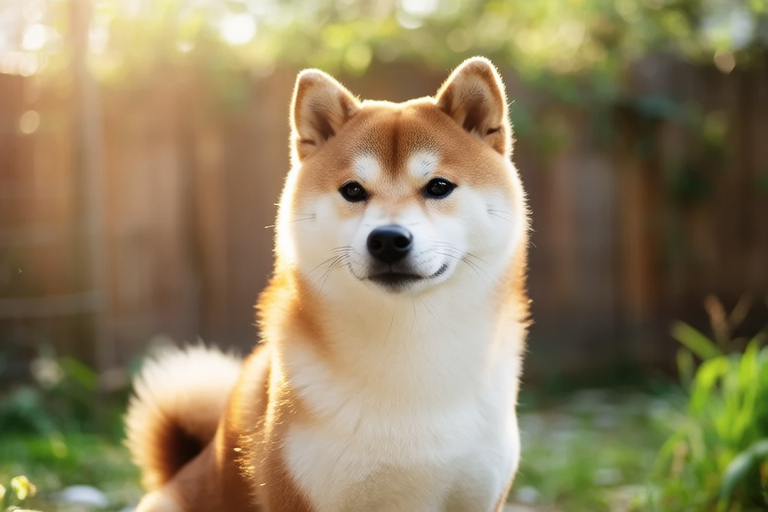
The Ultimate Guide to Raising a Happy and Healthy Shiba Inu
Welcome to the ultimate guide for raising a happy and healthy Shiba Inu. This article will cover everything from understanding the breed to nutrition, training, exercise, grooming, health issues, and socialization. Whether you’re a first-time owner or have years of experience, this guide will provide you with valuable insights and practical advice.
Understanding the Shiba Inu Breed
The Shiba Inu is a small to medium-sized breed originating from Japan. Known for their fox-like appearance and independent nature, Shibas are intelligent, alert, and loyal companions. They come in three main colors: red, black and tan, and sesame (red with black overlay). Their double coat provides excellent insulation, making them well-suited for colder climates. However, this also means they require regular grooming to prevent matting and shedding.
Shibas are known for their independence and strong-willed personalities. While they can be affectionate with family members, they may be reserved around strangers. Early socialization is crucial to help your Shiba Inu become comfortable in various environments and with different people. Despite their independent streak, Shibas thrive on companionship and enjoy spending time with their owners.
Essential Nutrition Guidelines
Proper nutrition is vital for maintaining your Shiba Inu’s overall health and well-being. Choose high-quality dog food that contains real meat as the primary ingredient. Look for foods that are rich in protein, fats, and essential vitamins and minerals. Avoid foods with fillers, artificial preservatives, and excessive sugars. Consult with your veterinarian to determine the appropriate portion sizes based on your Shiba’s age, weight, and activity level.
Hydration is equally important. Ensure your Shiba has access to clean, fresh water at all times. Monitor their water intake, especially during hot weather or after physical activities. Some Shibas may benefit from wet food or broths to encourage hydration, particularly if they are picky eaters or prone to urinary tract issues.
Effective Training Methods
Training a Shiba Inu requires patience, consistency, and positive reinforcement. Due to their independent nature, Shibas may not always respond to traditional training methods. Instead, focus on building a strong bond through trust and respect. Use treats, praise, and playtime as rewards for good behavior.
Start training early, ideally when your Shiba is still a puppy. Teach basic commands such as sit, stay, come, and leave it. Consistency is key – always use the same command words and reward your Shiba immediately after they follow a command. Crate training can be beneficial for housebreaking and providing a safe space for your Shiba. However, never use the crate as punishment.
Leash training is also essential for walking your Shiba Inu. Use a lightweight, sturdy leash and harness to avoid putting pressure on their neck. Practice walking on a leash in a controlled environment before venturing out into public spaces. Encourage your Shiba to walk beside you without pulling or lagging behind.
Exercise Needs
Shibas are an active breed that requires regular exercise to maintain their physical and mental health. Daily walks, runs, or play sessions in a secure area are ideal. Aim for at least 30 minutes of moderate exercise per day, but be mindful of their energy levels and adjust accordingly. Shibas may not always show obvious signs of tiredness, so pay attention to subtle cues such as slower movements or decreased interest in play.
In addition to structured exercise, provide opportunities for mental stimulation. Puzzle toys, interactive games, and obedience training can help keep your Shiba engaged and prevent boredom. Bored Shibas may resort to destructive behaviors, so ensure they have plenty of outlets for their energy and curiosity.
Grooming Tips
Grooming a Shiba Inu is essential for maintaining their coat’s health and appearance. Brush your Shiba at least twice a week to remove loose hair and prevent matting. During shedding season (typically spring and fall), daily brushing may be necessary. Use a slicker brush or a pin brush to gently remove tangles and distribute natural oils throughout their coat.
Bathing your Shiba Inu should be done sparingly, typically every 6-8 weeks or as needed. Over-bathing can strip their coat of its natural oils, leading to dry skin and irritation. Use a mild, pH-balanced shampoo specifically formulated for dogs. After bathing, thoroughly rinse your Shiba to remove any soap residue. Dry them completely to prevent chills, especially if they have been swimming or playing in the rain.
Trimming nails, cleaning ears, and brushing teeth are other important aspects of grooming. Keep nails short to prevent discomfort and injury. Check ears regularly for signs of infection or debris, and clean them gently with a cotton ball and ear-cleaning solution if necessary. Dental hygiene is crucial for overall health. Brush your Shiba’s teeth at least once a week using a dog-specific toothbrush and toothpaste.
Common Health Issues
Like all breeds, Shibas are susceptible to certain health issues. Some common conditions include hip dysplasia, patellar luxation, progressive retinal atrophy, and allergies. Regular veterinary check-ups, a balanced diet, and proper exercise can help minimize the risk of these issues.
Hip dysplasia is a genetic condition that affects the hip joint, causing pain and mobility issues. Patellar luxation occurs when the kneecap dislocates, often resulting in limping or difficulty walking. Progressive retinal atrophy is a degenerative eye disease that can lead to blindness. Allergies, particularly to fleas or environmental factors, can cause itching, scratching, and skin irritations.
Early detection and treatment are crucial for managing these conditions. Work closely with your veterinarian to develop a prevention and management plan tailored to your Shiba’s specific needs. Genetic testing and regular screenings can help identify potential issues before they become serious.
Advice for Socializing This Independent Breed
Socializing your Shiba Inu is essential for helping them become confident and well-adjusted adults. Start socialization early, beginning when your Shiba is between 8 to 12 weeks old. Expose them to various environments, people, animals, and experiences in a positive and controlled manner. Gradually increase the complexity and diversity of these interactions to build their confidence and comfort levels.
Introduce your Shiba to other dogs and pets in a supervised setting. Positive encounters with other animals can help prevent aggression or fear-based reactions. Similarly, expose your Shiba to different people, including children, elderly individuals, and those with disabilities. Encourage gentle handling and praise calm, friendly behavior.
Group classes, agility training, and obedience competitions can provide additional socialization opportunities while promoting bonding and teamwork between you and your Shiba. Always prioritize your Shiba’s comfort and safety during socialization efforts. If your Shiba shows signs of anxiety or aggression, consult with a professional trainer or behaviorist for guidance.
In conclusion, raising a happy and healthy Shiba Inu requires dedication, patience, and a deep understanding of their unique needs. By following the advice provided in this guide, you can help your Shiba Inu thrive both physically and emotionally. Remember that each Shiba is an individual, so tailor your approach to suit their specific personality and requirements. With love, care, and attention, your Shiba Inu will bring joy and companionship to your life for many years to come.
