Chilean Rose Tarantula: The Coolest Arachnid You Can Own!
Welcome to the fascinating world of arachnids! If you’re considering adopting a pet that’s both exotic and captivating, look no further than the Chilean rose tarantula. Known for its striking appearance and relatively easy care, this species is often hailed as one of the best tarantulas for beginners. In this article, we’ll explore the unique characteristics, care requirements, and behaviors of the Chilean rose tarantula, helping you make an informed decision about whether this remarkable creature could be your next pet.
A Spectacular Appearance
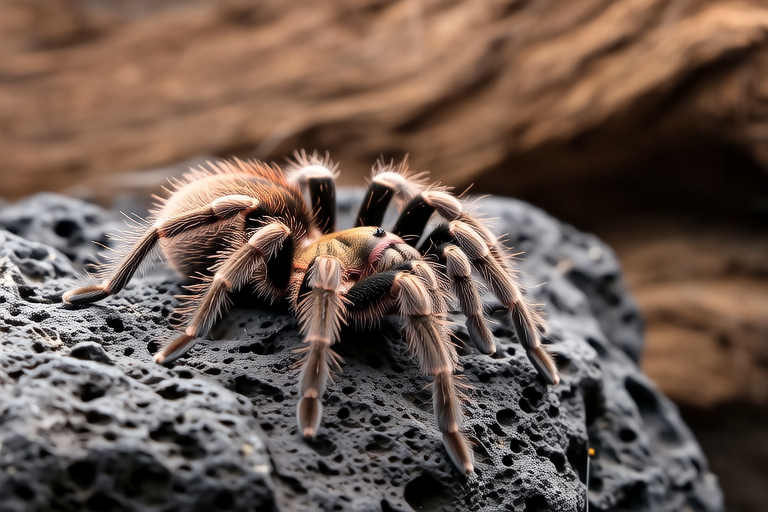
The Chilean rose tarantula (Grammostola rosea) is a visually stunning arachnid that captivates anyone who encounters it. Its body is typically covered in a soft, velvety fur, which can range from a light pink to a deep red hue. The legs are adorned with dark brown or black bands, adding contrast to its otherwise rosy coloration. This coloration is particularly noticeable when the tarantula molts, revealing a bright pink exoskeleton before the new fur grows in. The overall effect is nothing short of mesmerizing, making the Chilean rose tarantula a favorite among tarantula enthusiasts.
A Gentle Giant
One of the most appealing aspects of the Chilean rose tarantula is its docile nature. Unlike some other tarantula species, the Chilean rose is generally calm and non-aggressive, making it an ideal choice for those new to tarantula ownership. While all tarantulas have the ability to bite if provoked, the Chilean rose rarely does so, preferring to rely on its impressive size and intimidating appearance to deter predators. This temperament, combined with its manageable size, makes it an excellent pet for first-time owners.
Housing Needs
Creating the perfect habitat for your Chilean rose tarantula is crucial for its well-being. A spacious enclosure is essential, as these spiders need room to move around and establish their territory. A terrarium measuring at least 10 gallons (45 liters) is recommended for a single adult spider. The enclosure should be equipped with a secure lid to prevent any accidental escapes. Additionally, ensure there is adequate ventilation to maintain proper air circulation.
Substrate plays a vital role in replicating the natural environment of the Chilean rose tarantula. A layer of coconut fiber or a mixture of soil and sand works well, providing the necessary humidity levels and allowing the spider to burrow comfortably. The substrate should be kept slightly moist but not wet, as excessive moisture can lead to respiratory problems. Adding a few branches or cork bark pieces will offer climbing opportunities and places for the spider to hide, mimicking its natural habitat.
Dietary Preferences
Feeding your Chilean rose tarantula is straightforward, thanks to its adaptable palate. In the wild, these spiders feed on small insects such as crickets, grasshoppers, and moths. As pets, they can thrive on a diet consisting primarily of crickets, though occasional variety with mealworms or dubia roaches can be beneficial. It’s important to ensure that the prey items are appropriately sized—too large, and they may pose a choking hazard; too small, and the spider might not get sufficient nutrition.
Feed your tarantula once or twice a week, depending on its size and activity level. Always remove uneaten prey after a reasonable period to prevent them from attacking the tarantula or introducing bacteria into the enclosure. A shallow water dish should also be provided, although tarantulas rarely drink directly from it. Instead, they absorb moisture from their surroundings, so maintaining the right humidity level is key.
Health Considerations
Like any pet, the Chilean rose tarantula is susceptible to certain health issues. One of the most common problems is dehydration, which can occur if the humidity levels in the enclosure are too low. Signs of dehydration include dry, brittle skin and a lack of movement. To prevent this, regularly mist the substrate and monitor the humidity levels using a hygrometer.
Molting is another critical aspect of the tarantula’s life cycle, and improper handling during this time can lead to serious complications. When a tarantula is preparing to molt, it becomes lethargic and may refuse food. During the actual molting process, the spider remains vulnerable, and any disturbance can result in incomplete molts or injuries. It’s crucial to avoid handling the tarantula during this period and to provide a humid environment to facilitate a smooth molt.
Why Beginners Love It
The Chilean rose tarantula’s popularity among beginners stems from its ease of care and forgiving nature. Unlike more specialized tarantulas that require specific environmental conditions, the Chilean rose can adapt to a wide range of habitats, making it more forgiving for novice owners. Additionally, its docile temperament means that handling, while not encouraged, can be done safely with proper precautions. For those interested in tarantula ownership but unsure where to start, the Chilean rose is an excellent entry point into the hobby.
Tips for Handling and Interaction
While the Chilean rose tarantula is generally docile, it’s important to handle it with care and respect. Always wash your hands before and after handling the spider to avoid transferring oils or chemicals that could harm it. Use a soft, wide-mouthed container or a tarantula tube to gently coax the spider out of its enclosure. Avoid touching the spider directly unless absolutely necessary, as this can stress it out.
If you choose to handle your tarantula, do so infrequently and only when the spider is active and alert. Never pick up the spider by its legs or abdomen, as this can cause injury. Instead, allow the spider to climb onto your hand or a transfer device. Always supervise children when handling the tarantula to ensure their safety and the spider’s well-being.
Conclusion
The Chilean rose tarantula is a captivating and rewarding pet for both beginners and seasoned arachnid enthusiasts alike. With its striking appearance, gentle demeanor, and relatively simple care requirements, it offers an unparalleled opportunity to experience the wonder of tarantula ownership. By understanding its unique characteristics, providing appropriate care, and handling it with care, you can enjoy a fulfilling relationship with your Chilean rose tarantula for years to come.
