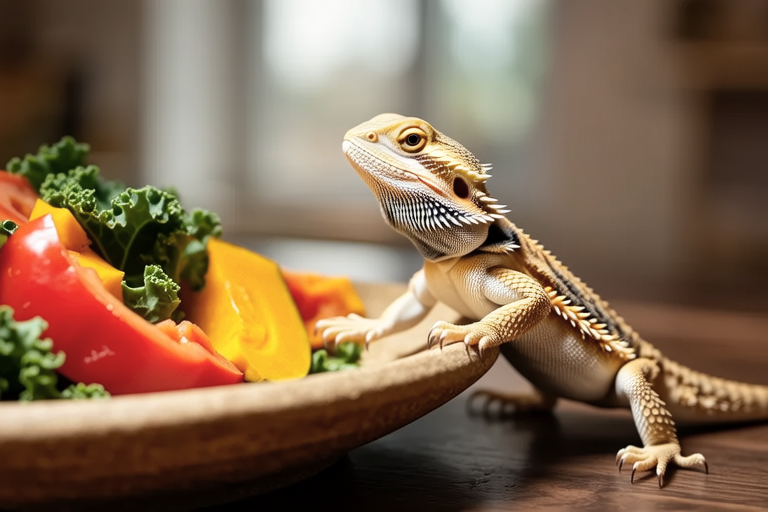
The Ultimate Guide to Feeding Your Bearded Dragon Like a Pro!
Bearded dragons, native to the arid regions of Australia, have become one of the most popular pet lizards globally. Their docile nature and striking appearance make them ideal pets for both beginners and experienced reptile enthusiasts. However, like all animals, they have specific dietary requirements that need to be met to ensure their health and longevity. This comprehensive guide will provide you with everything you need to know about feeding your bearded dragon like a pro.
Understanding the Dietary Needs of Bearded Dragons
Bearded dragons are omnivorous, meaning they eat both plant matter and animal protein. Their diet can vary depending on their age and stage of development. Young bearded dragons require more protein than adults, as they need to grow quickly. Adult bearded dragons, on the other hand, benefit from a higher proportion of vegetables and fruits to maintain their energy levels and overall health.
Dietary Needs at Different Life Stages
Newborn to Juvenile Bearded Dragons (0-6 months)
During this stage, young bearded dragons need a diet rich in protein to support rapid growth. Feed them insects such as crickets, dubia roaches, and waxworms daily. Dust these insects with a calcium supplement every other day to prevent metabolic bone disease. Offer leafy greens like collard greens, dandelion greens, and mustard greens once or twice a week.
Adult Bearded Dragons (6+ months)
Adult bearded dragons require a more balanced diet with a higher percentage of vegetables and fruits. Provide insects two to three times a week and offer a variety of vegetables and fruits daily. Some suitable options include bell peppers, carrots, squash, and berries. Continue dusting insects with calcium supplements but reduce the frequency to once a week.
The Importance of Hydration
Hydration is crucial for bearded dragons. They obtain much of their water through the moisture in their food, especially insects. However, it’s important to provide a shallow water dish for drinking. Change the water daily to prevent bacterial growth and ensure it remains clean. Some bearded dragons may also enjoy occasional misting, which mimics their natural environment and encourages them to drink more.
Recommended Live Food and Vegetation
Live Foods
Cricket, dubia roach, and mealworms are excellent sources of protein for bearded dragons. Avoid feeding them fireflies or wild-caught insects, as these can contain harmful parasites or toxins. Always gut-load insects before feeding them to your dragon by offering them nutritious food such as commercial insect gut-loading diets or fresh vegetables.
Vegetation
A wide variety of vegetables and fruits can be offered to adult bearded dragons. Choose nutrient-dense options like collard greens, kale, mustard greens, and endive. Fruits should be limited to no more than 10% of their diet due to their high sugar content. Suitable fruits include berries, mangoes, and papayas.
Portion Control and Feeding Schedules
Overfeeding can lead to obesity and other health issues, while underfeeding can result in malnutrition. A general rule of thumb is to offer as many insects as your bearded dragon can consume in 15 minutes. For adults, provide a mix of vegetables and fruits daily, adjusting the amount based on their appetite and activity level.
Common Feeding Mistakes to Avoid
- Overfeeding: Excessive feeding can lead to obesity and related health problems.
- Underfeeding: Inadequate feeding can cause malnutrition and stunted growth.
- Feeding inappropriate foods: Avoid feeding wild-caught insects, toxic plants, and excessive amounts of sugary fruits.
- Lack of supplementation: Failure to provide adequate calcium and vitamin D3 can result in metabolic bone disease.
Signs of Proper Nutrition vs. Malnutrition
Properly fed bearded dragons exhibit healthy skin, clear eyes, and active behavior. They should have firm, well-formed stools and a steady weight gain during the juvenile stage. Signs of malnutrition include lethargy, swollen joints, soft bones, and irregular shedding. If you notice any of these symptoms, consult a veterinarian specializing in reptiles.
Conclusion
Feeding your bearded dragon properly is essential for their health and happiness. By understanding their dietary needs at different life stages, ensuring adequate hydration, providing a variety of live foods and vegetation, practicing portion control, maintaining regular feeding schedules, avoiding common feeding mistakes, and monitoring for signs of proper nutrition or malnutrition, you can ensure your bearded dragon leads a long and healthy life.
