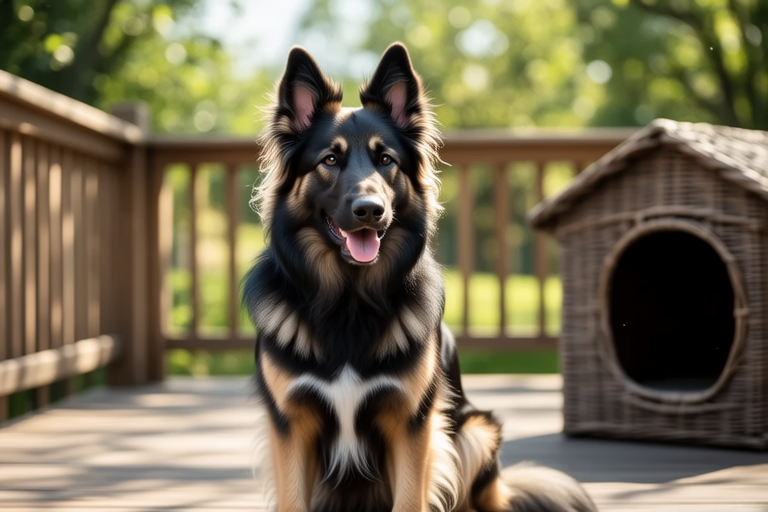
How to Keep Your German Shepherd Healthy and Happy
Welcome to this comprehensive guide on keeping your German Shepherd healthy and happy. As one of the most popular breeds, German Shepherds are known for their loyalty, intelligence, and versatility. However, they also come with specific health challenges and requirements. This article will cover everything you need to know about their care, from understanding genetic predispositions to providing them with the right amount of exercise and mental stimulation.
Genetic Predispositions and Common Health Issues
German Shepherds are prone to certain hereditary conditions that can affect their health and quality of life. Hip dysplasia is one of the most common issues, where the hip joint doesn’t develop properly, leading to pain and mobility problems. To minimize the risk, choose a reputable breeder who conducts health screenings and avoids breeding dogs with hip dysplasia.
Another prevalent condition is degenerative myelopathy, which affects the spinal cord and causes progressive weakness in the hind legs. Regular vet check-ups and early intervention can help manage symptoms. Additionally, German Shepherds may suffer from bloat, a potentially life-threatening condition where the stomach fills with gas and twists. Preventive measures include feeding them smaller meals more frequently and avoiding vigorous activity after eating.
Balanced Diet and Nutritional Needs
A balanced diet is crucial for maintaining your German Shepherd’s health. High-quality dog food that meets their specific nutritional requirements is essential. Look for products containing real meat as the primary ingredient, with minimal fillers and artificial additives. Consult your veterinarian to determine the appropriate portion sizes based on your dog’s age, weight, and activity level.
Vitamins and minerals play a vital role in supporting your German Shepherd’s overall health. Omega-3 fatty acids, found in fish oil supplements, promote skin and coat health while reducing inflammation. Antioxidants like vitamin E and C support immune function and prevent cell damage. Calcium and phosphorus are necessary for strong bones and teeth. Always consult your vet before adding any supplements to your dog’s diet.
Regular Exercise Routines Tailored for Their Energy Levels
German Shepherds are energetic and require ample physical activity to stay healthy and happy. Daily walks or runs are ideal, but they also enjoy agility training, obedience classes, and other mentally stimulating activities. Swimming is another excellent form of exercise, especially if your dog suffers from joint problems.
To avoid overexertion, gradually increase the intensity and duration of your dog’s exercise routine. Monitor their behavior during and after exercise, ensuring they don’t show signs of fatigue or discomfort. Incorporating mental stimulation into their daily routine can help burn off excess energy and keep their minds sharp.
Grooming and Hygiene Practices
Regular grooming is essential for maintaining your German Shepherd’s coat and skin health. Brush their fur at least twice a week to remove loose hair and prevent matting. Bathing should be done every 4-6 weeks or as needed, using a gentle dog shampoo. Pay special attention to their ears, cleaning them weekly to prevent infections. Trim their nails every few weeks to avoid overgrowth and discomfort.
Dental hygiene is equally important. Brush your dog’s teeth regularly using a dog-safe toothpaste. Provide them with dental chews and toys designed to promote oral health. Annual professional cleanings at the vet can help prevent periodontal disease and other oral issues.
Mental Stimulation Activities
German Shepherds are highly intelligent and require mental stimulation to prevent boredom and behavioral issues. Puzzle toys, treat-dispensing toys, and interactive games can provide hours of entertainment and mental challenge. Training sessions, obedience classes, and agility courses are great ways to engage their minds and build a strong bond with you.
Incorporate scent work and search-and-rescue exercises into their routine to tap into their natural instincts. These activities not only stimulate their minds but also provide valuable bonding time between you and your dog.
Socialization Tips
Socializing your German Shepherd from a young age is crucial for their emotional development and ability to interact with other animals and people. Expose them to various environments, sounds, and experiences to build confidence and reduce fearfulness. Puppy classes are an excellent way to introduce your dog to other dogs and humans in a controlled setting.
Encourage positive interactions with strangers and other pets, rewarding good behavior with treats and praise. Avoid overwhelming your dog with too many new experiences at once, gradually increasing exposure as they become more comfortable. Socialization is an ongoing process that should continue throughout your dog’s life.
Signs of Illness to Watch For
Knowing the signs of illness can help you catch potential health issues early and seek prompt veterinary care. Lethargy, loss of appetite, vomiting, diarrhea, excessive thirst, and changes in bathroom habits are common indicators that something might be wrong. Other red flags include unusual swelling, limping, or difficulty breathing.
If you notice any concerning symptoms, contact your veterinarian immediately. Early intervention can make a significant difference in your dog’s recovery and overall health. Regular check-ups and preventive care can help catch potential issues before they become serious.
Regular Veterinary Care Recommendations
Annual wellness exams are essential for monitoring your German Shepherd’s health and catching potential issues early. During these visits, your vet will perform a thorough physical examination, review vaccination records, and discuss any concerns you may have. Dental cleanings, heartworm prevention, and flea/tick treatments should also be part of your dog’s regular care routine.
Spaying or neutering your German Shepherd can provide numerous health benefits, including reduced risk of certain cancers and behavioral issues. Discuss the best timing for this procedure with your veterinarian, considering factors such as your dog’s age, breed, and overall health.
The Importance of a Loving Environment
Providing your German Shepherd with a loving and nurturing environment is just as important as physical care. Dogs thrive on companionship and affection, so spend quality time with your pet every day. Create a safe space for them to rest and feel secure, whether it’s a cozy bed or designated area in your home.
Establish consistent routines and rules to give your dog a sense of structure and security. Positive reinforcement training methods, such as rewards and praise, can strengthen the bond between you and your pet. A loving environment promotes emotional well-being and contributes to a healthier, happier dog.
By following the guidelines outlined in this article, you can ensure that your German Shepherd lives a long, healthy, and joyful life. Remember that each dog is unique, so tailor your approach to meet their individual needs and preferences. With proper care and attention, your German Shepherd will be a loyal companion for years to come.
