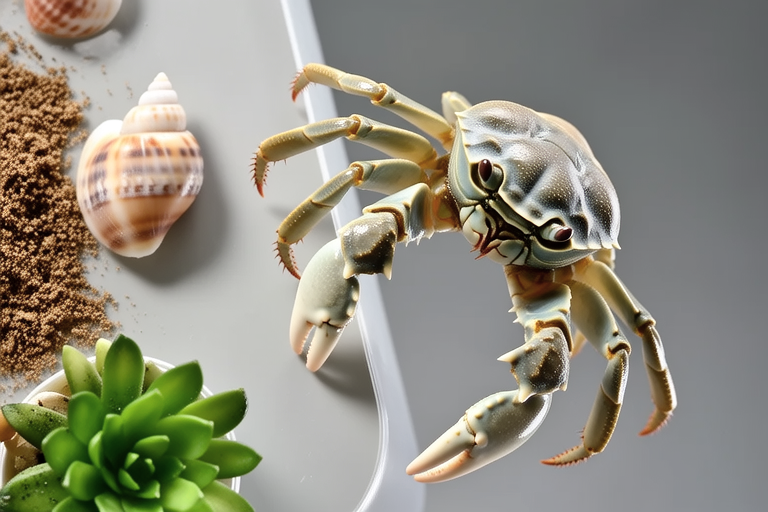
Top 10 Secrets Every Hermit Crab Owner Should Know
Welcome to the world of hermit crabs! These fascinating creatures are more than just another pet; they offer a unique and rewarding experience for their owners. Whether you’re a first-time owner or have been caring for hermit crabs for years, there’s always something new to learn about these captivating crustaceans. In this article, we’ll reveal the top ten secrets every hermit crab owner should know to ensure your little friends lead happy, healthy lives.
Secret 1: The Importance of a Well-Designed Habitat
Your hermit crab’s habitat is its home, and it needs to be designed with their specific needs in mind. Start by ensuring the tank is large enough for your crabs to explore comfortably. A general rule of thumb is to provide at least five gallons of space per crab. However, bigger is always better when it comes to habitat size.
The substrate is equally important. Choose a mix of sand and coconut fiber for optimal moisture retention and burrowing opportunities. Ensure the substrate is deep enough (about 3-4 inches) for your crabs to dig and hide. This depth also helps maintain humidity levels, which are crucial for hermit crabs’ well-being.
Don’t forget the decorations! Provide plenty of hiding spots like caves, driftwood, and small ceramic pots. These additions make the environment more enriching and stimulate natural behaviors. Just ensure that all items are safe and non-toxic.
Secret 2: Understanding Humidity Levels
Maintaining the right humidity level is vital for your hermit crab’s health. Ideal humidity ranges between 70% and 80%. Too low, and your crabs may struggle to molt properly; too high, and it could lead to fungal growth and respiratory issues.
To monitor humidity, invest in a hygrometer. Regularly check the readings and adjust as necessary. You can increase humidity by misting the tank daily or using a humidifier. Decrease it by improving ventilation or reducing the frequency of misting.
Secret 3: Feeding Your Hermit Crabs Properly
Hermit crabs are omnivores, meaning they eat both plant and animal matter. Their diet should consist of a variety of foods to ensure they receive all necessary nutrients. Offer them a mix of fresh fruits, vegetables, and proteins like fish flakes or boiled egg whites. Avoid feeding them processed human foods or anything containing salt, sugar, or artificial preservatives.
In addition to their regular meals, provide calcium supplements. Crushed eggshells or cuttlebone pieces are excellent sources. Calcium is essential for shell health and overall development. Always ensure there’s fresh water available in a shallow dish, but also include a dish with saltwater. Hermit crabs need both for proper hydration and to maintain their exoskeletons.
Secret 4: Common Health Issues and Prevention
Like any other pet, hermit crabs can face health challenges. One of the most common issues is shell rot, where the inside of the shell becomes infected or deteriorates. To prevent this, regularly inspect shells and clean them if necessary. If you notice signs of shell rot, isolate the affected crab and consult a veterinarian specializing in exotic animals.
Another frequent problem is molting difficulties. During molting, hermit crabs shed their exoskeleton and grow a new one. This process can take several weeks, during which they become very vulnerable. Ensure the habitat remains stable and stress-free during this time. Providing a deep substrate and a calcium source can help ease the molting process.
Secret 5: The Role of Enrichment Activities
Enrichment activities are crucial for keeping your hermit crabs mentally and physically stimulated. Rotate toys and decorations periodically to keep their environment interesting. Consider adding items like small tunnels, bridges, and climbing structures. These additions encourage exploration and physical activity, which are essential for their well-being.
Interactive feeding methods can also enhance enrichment. Instead of simply placing food in a dish, try scattering it around the tank or using treat-dispensing toys. This mimics foraging behavior and keeps your crabs engaged.
Secret 6: Debunking Common Myths About Hermit Crabs
One prevalent myth is that hermit crabs are low-maintenance pets. While they require less attention than some other animals, they still need a carefully maintained habitat and a balanced diet. Another misconception is that hermit crabs don’t need companionship. While they can live alone, they thrive in social groups, so consider keeping multiple crabs together.
It’s also commonly believed that hermit crabs don’t require much water. In reality, they need both freshwater and saltwater for various bodily functions. Lastly, some people think hermit crabs are nocturnal. While they are more active at night, they also spend significant time exploring during the day.
Secret 7: Shell Selection and Maintenance
Choosing the right shell is crucial for your hermit crab’s happiness. Ensure the shell is clean and free from chemicals. It should also be slightly larger than the crab’s current body size, allowing room for growth. Providing a variety of shells encourages natural swapping behaviors.
Regularly check the shells for cleanliness and damage. If you notice any issues, gently remove the crab and replace the shell. Cleaning shells can be done by soaking them in a solution of water and aquarium salt, then rinsing thoroughly before returning them to the tank.
Secret 8: Handling Your Hermit Crabs Safely
While hermit crabs are generally docile, improper handling can cause stress or injury. Always support their entire body when picking them up. Never grab them by the pincers or legs, as this can hurt them. Let them climb onto your hand rather than forcing them into position.
Handle your crabs as infrequently as possible to minimize stress. When you do handle them, keep sessions short and gentle. Observing their natural behaviors from a distance is often the best way to interact with them.
Secret 9: Monitoring and Maintaining Water Quality
Water quality directly impacts your hermit crabs’ health. Freshwater should be changed weekly to prevent bacterial growth. Saltwater, used for shell maintenance and hydration, should be replaced monthly. Use a high-quality aquarium salt specifically designed for marine environments.
To ensure water quality, test both types of water regularly using appropriate kits. Adjust salinity and pH levels as needed. Clean all dishes thoroughly between refills to prevent contamination.
Secret 10: The Joy of Molting
Molting is a fascinating yet delicate process in a hermit crab’s life cycle. During this time, your crab will bury itself in the substrate and remain hidden for several weeks. It’s essential to maintain a stable environment and avoid disturbing the crab.
Once the molt is complete, you’ll see a new, soft exoskeleton. Over the next few days, your crab will harden this new shell. This is a critical period, and you should provide extra calcium and humidity to aid in the process. Observe your crab closely during this time, but avoid unnecessary handling.
Understanding and respecting this natural process can deepen your bond with your hermit crabs and enhance your enjoyment of their company.
By incorporating these top ten secrets into your hermit crab care routine, you’ll create a thriving environment for your pets. Remember, the key to successful hermit crab ownership lies in providing a well-balanced habitat, nutritious diet, and attentive care. With these tips, you’ll be well-equipped to ensure your hermit crabs lead long, healthy, and happy lives.
