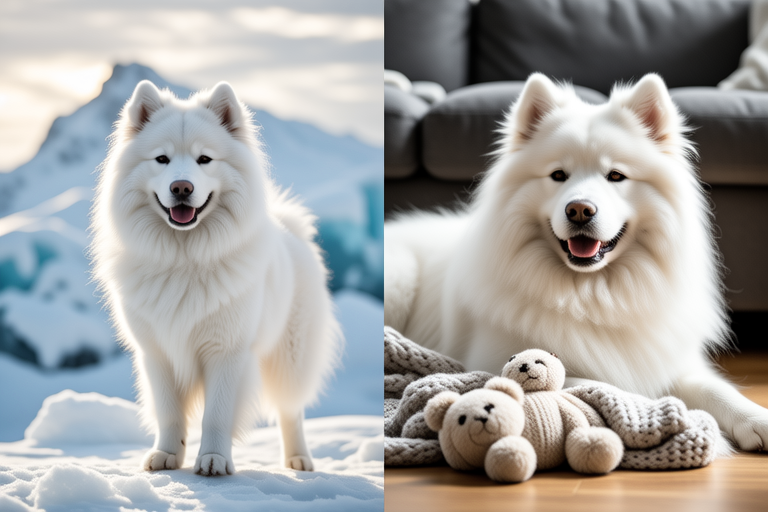
The Evolution of Samoyeds: From Arctic Companions to Popular Pets
The Samoyed, a breed with a rich history and remarkable adaptability, originated as a working dog among the nomadic Samoyede people of Siberia. These dogs were essential companions, herders, sledders, and protectors of reindeer. Their resilience in harsh climates and their unwavering loyalty made them indispensable to their handlers. This article explores the evolution of Samoyeds, tracing their journey from working dogs to beloved family pets.
Origins and Early Roles
The Samoyede people relied heavily on their dogs for survival in the unforgiving arctic environment. Samoyeds were adept at herding reindeer, ensuring the safety and efficiency of the nomads’ livelihood. They would guide the herd through treacherous terrains and protect them from predators. Their sledding prowess was equally impressive, as they pulled sleds laden with supplies across vast snow-covered landscapes. The dogs were also vigilant guardians, alerting their human companions to potential dangers.
One notable anecdote recounts the Samoyede people’s reliance on their dogs during severe blizzards. In one instance, a group of nomads became trapped in a remote area by an unexpected storm. Their Samoyeds, despite being exhausted from days of continuous sledding, rallied together to dig out their masters from the snowdrifts, ensuring their survival. This tale exemplifies the deep bond between the Samoyedes and their dogs.
Adaptation to Harsh Climates
The Samoyeds’ ability to thrive in extreme cold is attributed to several evolutionary adaptations. Their thick double coat, composed of a soft undercoat and a weather-resistant outer coat, provides excellent insulation against the biting winds and freezing temperatures. The coat’s white coloration helps the dogs blend into the snowy landscape, offering camouflage from predators and making them less conspicuous to prey.
Scientific studies have revealed that Samoyeds possess a unique combination of physiological traits that enhance their endurance and stamina. Their heart rate and breathing patterns adjust to conserve energy during prolonged periods of activity, allowing them to maintain peak performance even in adverse conditions. Additionally, their compact bodies minimize heat loss while maximizing agility and speed.
From Working Dogs to Family Pets
The transition of Samoyeds from working dogs to family pets began in the late 19th century when European explorers and travelers encountered these remarkable animals. Impressed by their beauty and versatility, they introduced Samoyeds to Western audiences. Initially, the breed gained recognition as a sled dog and was used in polar expeditions, including the famous journeys of Roald Amundsen and Ernest Shackleton.
As the breed’s popularity grew, selective breeding programs focused on enhancing specific traits deemed desirable for pet ownership. This shift emphasized docile temperaments, attractive appearances, and social compatibility over traditional working abilities. Over time, the Samoyed’s role evolved from that of a working dog to a cherished companion animal.
Physical Characteristics and Temperament Changes
Selective breeding has significantly altered the physical appearance of Samoyeds. Modern-day Samoyeds tend to be more robust and slightly larger than their ancestors. Their coats have become denser and softer, which, while enhancing their appeal as pets, can lead to overheating in warmer climates. The breed’s distinctive smile, characterized by upturned lips revealing pearly white teeth, has been selectively bred to be more pronounced, contributing to their friendly and approachable demeanor.
The temperament of Samoyeds has also undergone noticeable changes. While still loyal and affectionate, contemporary Samoyeds are generally less active and more laid-back compared to their working counterparts. This transformation is evident in their tendency to prefer lounging on comfortable couches rather than engaging in rigorous outdoor activities. However, they retain their playful nature and remain excellent companions for families and individuals seeking a loving, sociable pet.
Health Issues Due to Domestication
The process of domestication has brought about certain health challenges for Samoyeds. As breeders prioritized specific traits, the gene pool narrowed, increasing the risk of genetic disorders. Hip dysplasia, a common issue in many large breeds, affects some Samoyeds, causing discomfort and mobility problems. Other prevalent health concerns include progressive retinal atrophy (PRA), a degenerative eye disease that can lead to blindness, and hypothyroidism, a condition where the thyroid gland does not produce sufficient hormones.
To mitigate these health risks, responsible breeding practices are crucial. Reputable breeders conduct regular health screenings and genetic testing to identify potential issues before mating. Additionally, maintaining a healthy lifestyle through proper nutrition, exercise, and routine veterinary care can help manage and prevent many of these conditions.
Cultural Impact and Notable Anecdotes
The Samoyed has left an indelible mark on popular culture. They have been featured in numerous films, television shows, and advertisements, often portrayed as symbols of purity and loyalty. One iconic example is the Samoyed named “Nana” in J.M. Barrie’s classic novel “Peter Pan,” who serves as the children’s devoted guardian. This portrayal has contributed to the breed’s reputation as a reliable and loving companion.
Another noteworthy anecdote involves the Samoyed’s participation in the 1928 Winter Olympics in St. Moritz, Switzerland. A team of Samoyeds was chosen to pull the Olympic torch, symbolizing the enduring spirit and resilience of the breed. This event further cemented the Samoyed’s place in sporting history and highlighted their capabilities as athletes.
Conclusion
The Samoyed’s evolution from working dogs to beloved family pets reflects a remarkable adaptation to changing societal needs and preferences. Their original roles as herders, sledders, and protectors were shaped by the harsh demands of the arctic environment, fostering traits that ensured their indispensability to the Samoyede people. Through selective breeding and cultural shifts, the Samoyed has transformed into a cherished companion known for its striking appearance, gentle temperament, and unwavering loyalty.
While modern Samoyeds may be less active than their ancestors, they continue to captivate hearts with their charm and devotion. Understanding the breed’s history and the factors influencing its development is essential for responsible ownership and the preservation of this remarkable canine heritage.
