The Abyssinian Cat: A Legend Among Felines
The Abyssinian cat is a breed that has captivated the hearts of many cat lovers around the world. Known for their striking appearance, lively personalities, and storied history, these felines have earned a reputation as one of the most beloved breeds. This article explores the history, unique characteristics, and cultural significance of the Abyssinian cat, shedding light on their origins, physical traits, temperament, and their portrayal in literature and art.
Origins and Early History
The Abyssinian cat’s origins are steeped in mystery and speculation. While the exact location of their first appearance remains unclear, some believe they originated in ancient Egypt. Their name suggests a connection to Ethiopia, formerly known as Abyssinia, but there is no concrete evidence to support this theory. One popular myth claims that the Abyssinian was brought back from Abyssinia by British soldiers after the Abyssinian War of 1868. However, genetic studies suggest that the breed may have actually originated in Southeast Asia, specifically in places like India or Burma.
Regardless of their true origins, Abyssinians were first recognized as a distinct breed in the late 19th century. The first recorded Abyssinian in Britain was named Zula, who was exhibited at the Crystal Palace Show in London in 1871. Since then, the breed has grown in popularity, becoming a favorite among cat fanciers for its unique appearance and charming personality.
Physical Traits
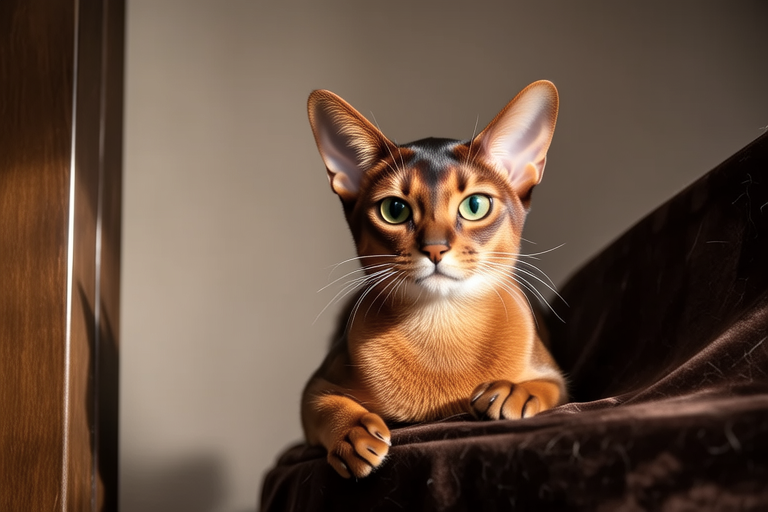
Abyssinians are medium-sized cats with a slender, muscular build. They possess a graceful, athletic frame that makes them appear almost deer-like. Their bodies are long and lean, with strong legs and oval-shaped paws. Their tails are long and tapering, often adorned with a dark tip. One of the most distinctive features of the Abyssinian is their coat, which is short, dense, and plush. The fur is ticked, meaning each hair has bands of color, creating a mottled effect that resembles the pattern of an agouti mouse.
The Abyssinian’s eyes are large, almond-shaped, and expressive, typically ranging in color from gold to green. Their ears are large and set high on their heads, giving them an alert and curious appearance. The breed comes in several colors, including ruddy (the most common), blue, fawn, and cinnamon. Each color variation showcases the ticking pattern beautifully, making each Abyssinian unique.
Temperament and Personality
Abyssinians are known for their playful, curious, and intelligent nature. They are highly active and enjoy exploring their surroundings, often climbing to high vantage points to survey their territory. These cats are also very social and enjoy the company of their owners, often following them around the house and participating in daily activities. Abyssinians are known to be affectionate but can be somewhat independent, preferring to interact on their own terms.
Due to their intelligence, Abyssinians are quick learners and can be trained to perform tricks or respond to commands. They are also known to be vocal, often communicating with their owners through chirping, trilling, and other vocalizations. Despite their playful and social nature, Abyssinians can be sensitive and may become stressed or anxious if exposed to sudden changes or loud noises.
Cultural Significance and Depictions in Literature and Art
Abyssinians have appeared in various forms of literature and art throughout history, often symbolizing elegance, grace, and mystery. In Victorian-era paintings, they were frequently portrayed as companions to wealthy families, embodying the refined tastes of the era. Their sleek appearance and regal bearing made them ideal subjects for artists seeking to capture the essence of sophistication.
In literature, Abyssinians have been featured in numerous works, including novels, short stories, and poetry. Their enigmatic origins and striking appearance have inspired authors to weave tales of adventure and mystery involving these captivating cats. One notable example is the children’s book “The Secret of Platform 13” by Eva Ibbotson, where an Abyssinian plays a key role in the magical journey of a group of children.
Care Requirements
Despite their elegant appearance, Abyssinians require minimal grooming due to their short coats. Weekly brushing with a soft-bristled brush will help remove loose hairs and prevent matting. Bathing is generally unnecessary unless the cat gets particularly dirty. Owners should also pay attention to their dental health, providing regular brushing and offering chew toys to help maintain healthy teeth and gums.
Abyssinians are highly energetic and need plenty of mental and physical stimulation to stay happy and healthy. Providing them with toys, climbing structures, and interactive playtime will help satisfy their natural curiosity and keep them entertained. Regular exercise is important for maintaining their weight and preventing obesity, which can lead to health issues.
Health Considerations
Like all breeds, Abyssinians are prone to certain health conditions. One of the most common issues is dental disease, which can lead to tooth loss and gum infections if left untreated. Periodic dental check-ups and cleanings are recommended to maintain good oral hygiene.
Abyssinians are also susceptible to certain genetic disorders, such as renal amyloidosis, a condition that affects the kidneys. Regular veterinary check-ups and early detection can help manage this condition effectively. Other potential health concerns include progressive retinal atrophy, a degenerative eye disease that can lead to blindness, and hypertrophic cardiomyopathy, a form of heart disease. Responsible breeding practices and genetic testing can help reduce the incidence of these conditions.
Myths and Legends
One of the most enduring myths surrounding the Abyssinian breed is the tale of their origin. As mentioned earlier, the story of British soldiers bringing back an Abyssinian from Abyssinia after the war has been widely circulated. While this narrative adds to the mystique of the breed, it is likely a romanticized account rather than historical fact. Another legend suggests that Abyssinians were sacred animals in ancient Egypt, worshipped alongside other revered creatures like the cat-headed goddess Bastet.
These myths contribute to the allure of the Abyssinian, making them seem even more special and intriguing to cat enthusiasts. The breed’s mysterious past and striking appearance have captured the imaginations of many, inspiring stories and artwork that celebrate their beauty and grace.
Abyssinian Cats in Modern Society
In modern society, Abyssinians continue to be cherished for their unique qualities and endearing personalities. Their popularity has grown steadily over the years, and they are now found in households and cat shows across the globe. Many cat fanciers appreciate the breed’s intelligence, playfulness, and loyalty, making them ideal companions for those seeking an engaging and affectionate pet.
The Abyssinian’s presence in popular culture has also contributed to their appeal. They have been featured in advertisements, television shows, and movies, further increasing their visibility and desirability. Their elegant appearance and friendly demeanor make them perfect models for various media outlets.
Conclusion
The Abyssinian cat is truly a legend among feline enthusiasts. With their striking appearance, lively personalities, and storied history, these cats have captured the hearts of many. From their mysterious origins to their elegant physical traits, Abyssinians offer a unique combination of beauty and charm that continues to fascinate people today. Whether you’re a seasoned cat lover or new to the world of felines, the Abyssinian is sure to leave a lasting impression.
