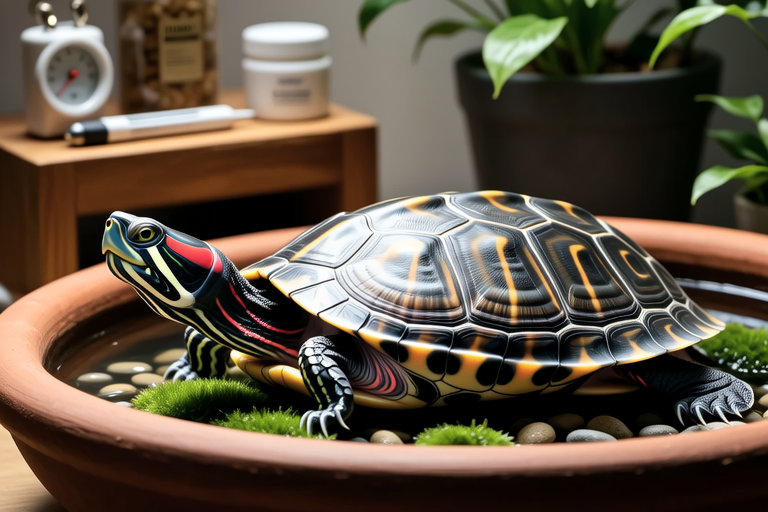
Red-eared Slider Care: Essential Tips Every Owner Should Know
Red-eared sliders (Trachemys scripta elegans) are one of the most popular pet turtle species due to their hardiness and relatively low maintenance. However, owning a red-eared slider comes with specific responsibilities that require careful attention to ensure the health and well-being of your pet. This article provides essential tips on habitat setup, diet, healthcare, behavior, and safe handling for new owners.
Habitat Setup
Tank Size
The first step in setting up a proper habitat for your red-eared slider is choosing an appropriate tank size. A general rule of thumb is to provide at least 10 gallons of water per inch of shell length for juveniles. As they grow, you’ll need to increase the tank size accordingly; adult sliders require a minimum of 60-75 gallons of water. Remember, larger tanks allow more swimming space and better water circulation, which is crucial for maintaining water quality.
Water Quality
Maintaining clean water is vital for the health of your red-eared slider. Regular partial water changes (about 25-50% weekly) help remove waste products and maintain optimal water conditions. Use a high-quality aquarium filter designed for large volumes of water to keep the environment clean. Additionally, consider using a dechlorinator to neutralize harmful chemicals present in tap water before adding it to the tank.
Temperature
Red-eared sliders are ectothermic, meaning they rely on external sources to regulate their body temperature. Provide a basking area with a heat lamp set at around 85-90°F (29-32°C) and a water temperature between 75-80°F (24-27°C). An underwater heater can be used to maintain the correct water temperature. Ensure the basking area is dry and provides full-spectrum UVB lighting for 10-12 hours daily, mimicking natural sunlight and aiding in calcium absorption.
Diet Requirements
A balanced diet is crucial for the growth and overall health of your red-eared slider. Their diet should consist primarily of commercial turtle pellets, supplemented with fresh vegetables such as collard greens, romaine lettuce, and squash. Offer occasional treats like earthworms, mealworms, and small feeder fish. Avoid feeding them iceberg lettuce, as it lacks nutritional value.
Young sliders are carnivorous and require more protein than adults, so their diet should include more meat-based foods. As they mature, their diet shifts towards a more herbivorous profile. Feed your slider every other day, offering as much food as they can consume in 10-15 minutes. Remove any uneaten food promptly to prevent water contamination.
Healthcare Basics
Regular Checkups
Scheduling regular veterinary checkups with an exotic animal veterinarian is essential for early detection of potential health issues. During these visits, your vet will perform a thorough examination, including weight checks and fecal exams to detect parasites.
Common Health Issues
Red-eared sliders may face various health problems if their living conditions are not optimal. Metabolic bone disease (MBD) is a prevalent issue caused by inadequate calcium intake or insufficient UVB exposure. Symptoms include soft shells, swollen limbs, and difficulty moving. Shell rot, another common condition, results from poor water quality or physical trauma. It manifests as discolored or eroded areas on the shell.
To prevent these issues, ensure proper nutrition, maintain excellent water quality, and provide adequate UVB lighting. If you notice any unusual symptoms or behaviors, consult a veterinarian immediately.
Common Behavioral Issues
Aggression
Red-eared sliders are generally peaceful creatures, but they can become aggressive when overcrowded or stressed. Aggressive behavior might include biting, chasing, or head bobbing. Providing enough space and minimizing stressors in the environment can help reduce aggression.
Basking Habits
Sliders spend a significant amount of time basking to warm themselves and dry off. Ensure that the basking area is easily accessible and comfortable. If your slider is not basking frequently, it might indicate underlying health issues or dissatisfaction with its environment. Consult a veterinarian if you suspect health problems.
Tips for Handling Red-eared Sliders Safely
Handling your red-eared slider requires caution to avoid injury to both you and the turtle. Always wash your hands before and after handling to prevent the spread of bacteria. Support the turtle’s body fully, especially the plastron (bottom shell), to avoid causing strain or injury.
Never pick up a turtle by its tail, as this can cause serious damage. Instead, gently scoop it from below and support its entire body. Allow your turtle to acclimate to handling gradually, avoiding sudden movements that could startle it.
Conclusion
Owning a red-eared slider is a rewarding experience when done correctly. By understanding and addressing their habitat needs, dietary requirements, healthcare basics, and behavioral tendencies, you can provide a happy and healthy life for your pet. Remember, taking the time to learn about your turtle’s specific needs will greatly enhance its quality of life and longevity.
