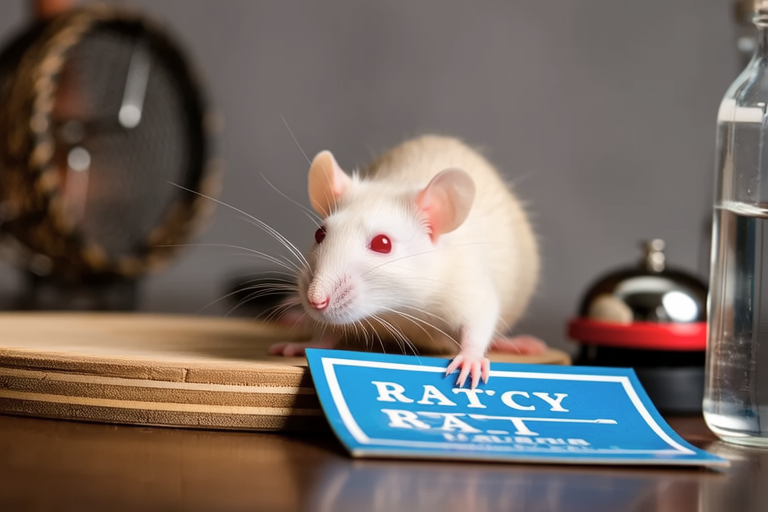
The Ultimate Guide to Training and Bonding with Your Fancy Rat
Welcome to the world of fancy rats! These intelligent, social creatures can make wonderful companions. This guide will walk you through the essentials of caring for your rat, understanding their behavior, training them, and building a strong bond.
Basic Care
Fancy rats require a clean, spacious cage that allows for climbing and exploring. The cage should be large enough to accommodate a few toys and hiding spots. Bedding should be absorbent and safe for ingestion, like aspen shavings or recycled paper products. Rats are messy eaters, so daily cleaning is necessary to prevent ammonia buildup from urine.
Provide fresh water daily, and a balanced diet consisting of commercial rat food, fruits, vegetables, and occasional treats like cooked eggs or cheese. Avoid feeding chocolate, caffeine, alcohol, or sugary foods, as these can be harmful. Ensure access to gnawing items to maintain dental health, such as wooden chews or pumice stones.
Regular veterinary checkups are crucial, especially for identifying common issues like respiratory infections, tumors, or dental problems.
Understanding Rat Behavior
Rats are highly social animals that thrive on interaction. They communicate through vocalizations, body language, and scent marking. Recognizing these behaviors helps you understand your rat’s needs and emotions.
- Vocalizations: Squeaks and chirps are signs of happiness, while high-pitched squeals may indicate fear or pain.
- Body Language: Flattened ears and tucked tails suggest anxiety, whereas relaxed posture with upright ears indicates comfort.
- Scent Marking: Rats use scent glands near their anus to mark territory and express dominance.
Scientific studies show that rats form close bonds with their human caregivers, displaying signs of attachment similar to those seen in dogs and cats.
Step-by-Step Training Techniques
Training rats can be rewarding and fun. Start with simple commands like “come” or “sit.” Use positive reinforcement by rewarding desired behaviors with treats or praise.
- Establish Trust: Spend time handling your rat gently, allowing it to become comfortable with you.
- Select Treats: Choose small, healthy treats like raisins or unsweetened cereals.
- Choose Commands: Keep commands short and clear, such as “sit” or “come.”
- Practice Patience: Training sessions should be brief but frequent, lasting no more than 10 minutes at a time.
- Use Clicker Training: A clicker can help reinforce good behavior by associating the sound with a treat.
Consistency is key in training. Repeat commands and rewards until your rat understands what is expected.
Interactive Play Ideas to Strengthen Bonds
Engaging in playtime with your rat strengthens your bond and provides mental stimulation. Here are some activities to try:
- Tug-of-War: Use a soft rope toy to engage in gentle tugging games.
- Hide-and-Seek: Hide treats around the cage or play area for your rat to find.
- Obstacle Course: Create an obstacle course using tunnels, bridges, and platforms for your rat to navigate.
- Foraging: Hide treats within puzzle feeders or scatter them throughout the cage for your rat to discover.
These activities stimulate your rat’s natural instincts and keep them mentally engaged.
Common Mistakes to Avoid
Avoiding common pitfalls can help ensure a healthy, happy rat:
- Overhandling: While handling is important for bonding, overdoing it can cause stress.
- Ignoring Health Signs: Pay attention to changes in appetite, activity level, or appearance.
- Lack of Stimulation: Providing a stimulating environment prevents boredom and behavioral issues.
- Inadequate Socialization: Rats need regular interaction to develop healthy social skills.
Addressing these issues promptly can prevent many health and behavioral problems.
Tips for Creating a Stimulating Environment
Providing an enriching environment is vital for your rat’s well-being:
- Rotating Toys: Introduce new toys regularly to keep things interesting.
- Exploration Opportunities: Offer safe areas outside the cage for supervised exploration.
- Social Interaction: Allow your rat to interact with other rats if possible.
- Environmental Enrichment: Incorporate elements like cardboard boxes, tubes, and hammocks.
Creating a stimulating environment enhances your rat’s quality of life and promotes a stronger bond between you.
Conclusion
Training and bonding with your fancy rat can be a deeply rewarding experience. By providing proper care, understanding their behavior, implementing effective training techniques, and fostering a stimulating environment, you can create a strong, loving relationship with your pet. Remember, patience and consistency are key. Enjoy this journey of discovery and companionship with your intelligent, affectionate friend.
