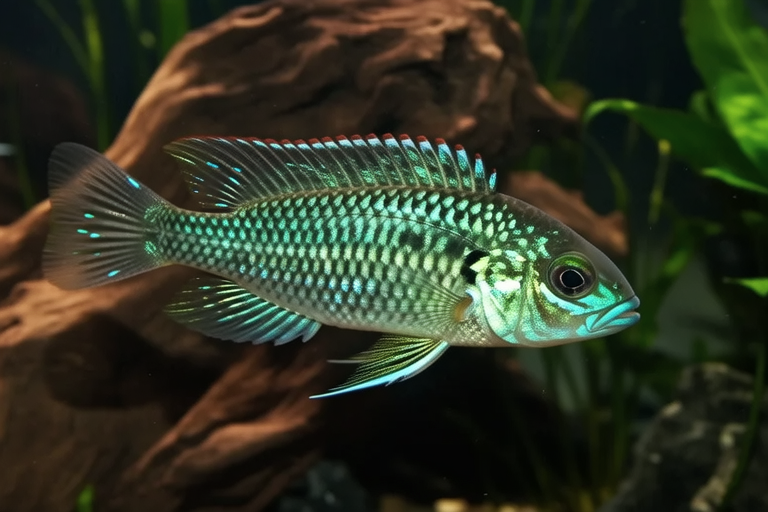
From Amazon to Aquarium: Comprehensive Arowana Care Guide
Arowanas, often referred to as “Dragon Fish” due to their elongated bodies and pectoral fins that resemble dragon wings, have captivated fish enthusiasts for centuries. Native to the freshwater rivers of Southeast Asia, Africa, and South America, these majestic creatures are known for their striking appearance and impressive jumping abilities. In this guide, we will explore the world of Arowana care, from understanding their natural habitat to creating an optimal aquarium environment.
The Origins and Unique Features of Arowanas
Arowanas are ancient fish species that have been around for millions of years. They belong to the family Osteoglossidae and are found in various parts of the world, including the Amazon River basin, where they thrive in murky waters with dense vegetation. Their most notable feature is their ability to leap out of the water to catch insects and small birds, showcasing their predatory instincts. This adaptation has earned them the nickname “Water Dragon.”
Another unique characteristic of Arowanas is their bony tongues, which they use to crush prey. Their scales are also quite distinct, being large and armored-like, providing protection against predators. These fish are highly intelligent and can recognize their owners, making them fascinating pets for those who appreciate interactive and intelligent companions.
Optimal Tank Setup
Tank Size and Shape
Arowanas require spacious tanks due to their size and active nature. Juvenile Arowanas can be housed in smaller tanks, but as they grow, you’ll need to provide at least a 150-gallon tank for a single adult. The tank should be long rather than tall, allowing ample swimming space. The width of the tank is crucial since Arowanas need room to swim horizontally.
Water Conditions
Maintaining proper water quality is essential for the health of your Arowana. Optimal water temperature should range between 78°F and 84°F (25°C to 29°C). pH levels should be slightly acidic to neutral, between 6.5 and 7.5. Ammonia and nitrite levels should be kept at zero, while nitrate levels should be below 20 ppm. Regular water changes of about 20% weekly are necessary to maintain these parameters.
Filtration Systems
A powerful filtration system is vital for removing waste and maintaining water clarity. Choose a filter that provides at least four times the volume of the tank per hour in flow rate. Canister filters or external hang-on-back filters are recommended for their efficiency in handling larger volumes of water. Additionally, consider incorporating a biological filter to support beneficial bacteria that break down harmful substances.
Detailed Feeding Guidelines
Arowanas are carnivorous and require a varied diet rich in protein. In the wild, they feed on insects, small fish, crustaceans, and sometimes even birds. In captivity, it’s important to replicate this diet as closely as possible.
Dietary Needs
Arowanas should be fed a mix of live and frozen foods. Live foods such as feeder fish, earthworms, and crickets can stimulate their hunting instincts. Frozen foods like bloodworms, brine shrimp, and krill are also excellent choices. Occasionally, you can offer pellets specifically designed for large carnivorous fish. It’s best to avoid overfeeding, as excess food can deteriorate water quality.
Feeding Frequency
Feed your Arowana two to three times a week. Juveniles may require more frequent feeding, but as they mature, less frequent feeding helps prevent obesity. Always observe your fish’s eating habits and adjust the frequency accordingly.
Common Health Issues and Preventive Measures
Like any pet, Arowanas can suffer from health issues if not cared for properly. Some common problems include bacterial infections, fungal growth, and parasitic infestations. Poor water quality is often the root cause of these issues.
Preventive Measures
To prevent health issues, maintain pristine water conditions through regular water changes and effective filtration. Quarantine new additions to the tank to avoid introducing diseases. Regularly inspect your Arowana for signs of distress, such as lethargy, loss of appetite, or unusual spots on the body. If you notice any symptoms, consult a veterinarian specializing in exotic fish.
Maintaining a Healthy Environment
Regular Maintenance Routines
Regular maintenance is key to ensuring your Arowana’s well-being. Besides water changes, clean the tank glass, decorations, and substrate regularly. Check the filtration system for clogs and replace media as needed. Monitor water parameters daily to ensure they remain within safe ranges.
Tank Mates Compatibility
Arowanas are territorial and can be aggressive towards other fish. When selecting tank mates, choose large, peaceful species that can hold their own. Good options include catfish, pacus, and large barbs. Avoid keeping Arowanas with small or slow-moving fish, as they may become prey.
Behavioral Patterns and Ensuring Well-being
Arowanas are active swimmers and enjoy exploring their surroundings. They are generally peaceful within their territory but can become territorial if their space is invaded. Providing hiding spots and open spaces in the tank can help reduce stress and promote natural behaviors.
To ensure their well-being in captivity, establish a consistent routine for feeding and maintenance. Spend time observing your Arowana’s behavior, as this can provide valuable insights into their health and happiness. Arowanas are sensitive to environmental changes, so try to minimize stressors such as sudden loud noises or rapid water parameter shifts.
In conclusion, caring for Arowanas requires dedication and knowledge. By understanding their origins, setting up the right tank environment, and providing proper nutrition and healthcare, you can ensure that your Arowana thrives in its new home. Whether you’re a novice aquarist or an experienced enthusiast, Arowanas offer a rewarding and fascinating addition to any aquarium.
