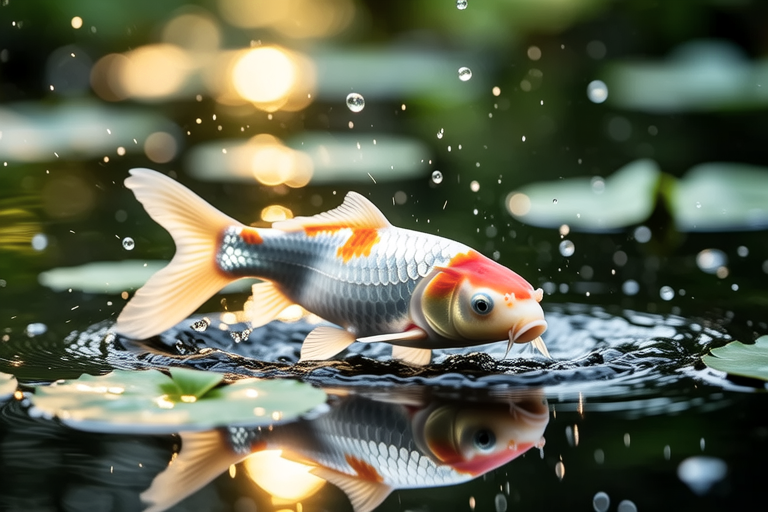
From Pond to Pool: The Ultimate Guide to Raising Koi
Welcome to the world of koi keeping! Whether you’re a novice or an experienced enthusiast, raising koi can be a rewarding and beautiful experience. This comprehensive guide will walk you through the essential aspects of koi care, from selecting the right pond to maintaining water quality and beyond.
Selecting the Right Pond
The first step in your koi journey is choosing the perfect pond. Size, shape, depth, and location all play crucial roles in providing a healthy habitat for your fish. A minimum size of 1000 gallons is recommended for a small koi population, but larger ponds are ideal for more fish and better water quality.
Depth is equally important; deeper ponds provide more stable temperatures and additional space for fish during winter months. A depth of at least 3 feet is advisable, with some areas reaching 6 feet for larger koi. Ensure the pond has a gentle slope from shallow to deep, allowing for easy access to different water levels.
Location is another key factor. Choose a spot that receives partial shade to prevent excessive algae growth and temperature fluctuations. Avoid areas prone to flooding or standing water, as these can lead to poor water quality.
Maintaining Water Quality
Water quality is paramount for the health and longevity of your koi. Regular testing and maintenance are necessary to ensure optimal conditions. Key parameters include pH, ammonia, nitrite, and nitrate levels. Aim for a pH between 7.2 and 8.5, with zero detectable ammonia and nitrite, and low nitrate levels (below 50 ppm).
Filters and aeration systems are vital components of any koi pond. Filters help remove debris and organic matter, while aerators increase oxygen levels in the water. Consider adding plants like water lilies and lotus, which naturally purify the water and provide shade.
Feeding Practices
Proper nutrition is essential for the health and vibrancy of your koi. High-quality commercial pellets designed for koi and goldfish are the best choice. These pellets come in various sizes to suit different fish, so choose according to the size of your koi.
Feed your koi multiple times daily, especially during spring and summer when they are most active. However, avoid overfeeding, as excess food can degrade water quality. Always feed only what your fish can consume within a few minutes.
Common Health Issues
Like any pet, koi are susceptible to various health issues. Common problems include fin rot, fungal infections, and parasites. Regular observation and prompt treatment are key to maintaining healthy fish.
If you notice signs of illness, such as lethargy, loss of appetite, or abnormal behavior, isolate the affected fish and consult a veterinarian specializing in aquatic animals. Early intervention can prevent the spread of disease and save lives.
Tips for Creating an Optimal Living Environment
Beyond physical health, consider the mental well-being of your koi. Incorporate hiding spots and varied terrain in your pond design to stimulate natural behaviors. Rocks, caves, and plants create safe spaces where fish can retreat and explore.
Adequate lighting is also crucial. While koi are generally nocturnal, providing gentle, indirect lighting can enhance their activity and overall well-being. Use LED lights with a warm color temperature to mimic natural sunlight without causing stress.
Choosing Koi Varieties
With hundreds of varieties available, selecting the right koi can be daunting. Popular breeds include Kohaku, Sanke, and Showa, each distinguished by unique patterns and colors. When choosing, consider factors such as coloration, pattern, and body shape.
For beginners, simpler patterns like Kohaku may be easier to maintain and appreciate. As you gain experience, you might venture into more complex varieties like Tancho, featuring a distinctive red spot on a white background.
Aesthetic and Practical Considerations for Landscaping Around the Pond
Landscaping around your koi pond not only enhances its beauty but also supports the ecosystem. Incorporate native plants to attract beneficial insects and wildlife. Trees and shrubs provide shade, reducing algae growth and temperature swings.
Practical elements like paths, benches, and seating areas invite you to enjoy your pond year-round. Consider the flow of foot traffic and ensure safety measures are in place, especially if children or pets frequent the area.
Conclusion
Raising koi is a fulfilling hobby that combines beauty with responsibility. By following these guidelines, you’ll create a thriving environment where your koi can flourish. Remember, patience and attention to detail are key. Enjoy the journey and the joy that comes with caring for these magnificent creatures.
