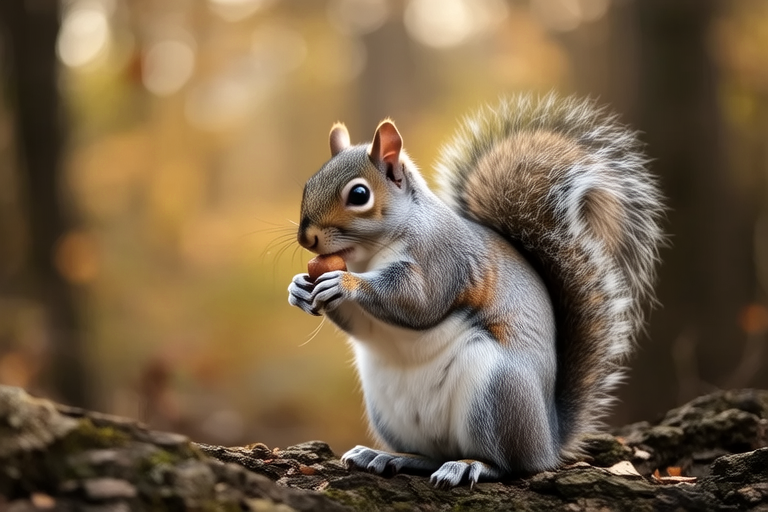
Squirrels 101: Everything You Need to Know About These Charming Critters
From city parks to rural forests, squirrels are one of the most ubiquitous and charming creatures on Earth. Their bushy tails and quick movements make them a favorite subject for nature lovers and casual observers alike. These small mammals are not only delightful to watch but also play a significant role in their ecosystems. Whether they’re scampering up trees, burying nuts, or chattering at each other, squirrels add a touch of liveliness to any environment. This article will provide you with an overview of these fascinating animals, from their classification and physical attributes to their behavior and interactions with humans.
Classification and Common Species
Squirrels belong to the family Sciuridae, which includes over 285 species of rodents worldwide. They are divided into three main groups: tree squirrels, ground squirrels, and flying squirrels. Tree squirrels, as their name suggests, spend most of their time in trees, while ground squirrels live in burrows on the ground. Flying squirrels can glide through the air from tree to tree, thanks to a membrane that stretches between their limbs. Some of the most commonly found species include the Eastern Gray Squirrel, Red Squirrel, Fox Squirrel, and the American Red Squirrel. Each species has its own unique adaptations to their environment.
Physical Characteristics
Squirrels are generally small to medium-sized mammals, ranging from 6 inches to 3 feet in length, depending on the species. Their most distinctive feature is their large, bushy tail, which serves multiple purposes. It acts as a counterbalance when they run along branches, aids in steering during leaps, and provides warmth during cold weather. Squirrels have sharp claws that help them grip onto trees and dig for food. Their fur comes in various colors, from gray and brown to red and black, providing camouflage against predators.
Diet and Foraging Habits
Squirrels are primarily herbivores, with a diet consisting mainly of seeds, nuts, fruits, and buds. However, they are opportunistic feeders and may occasionally eat insects, eggs, or even small vertebrates. Their foraging habits are particularly interesting. Squirrels have an excellent sense of smell, which helps them locate buried nuts and seeds. They are known for their caching behavior, where they store food for later consumption. This process involves digging holes and burying nuts, sometimes even forgetting where they hid them. This unintentional act contributes to the reforestation of areas by planting new trees.
Behavior: Communication, Mating, and Raising Young
Communication among squirrels is vital for their survival. They use vocalizations, such as chirps and barks, to warn others of danger or to communicate with potential mates. Body language also plays a crucial role; tail flicks and postures convey messages about mood and intentions. During the mating season, male squirrels engage in chasing behaviors to find a mate. After successful mating, females build nests, called dreys, out of leaves and twigs. They give birth to litters of 2 to 8 offspring, depending on the species. The young, born blind and hairless, rely entirely on their mother for care and protection until they are old enough to fend for themselves.
Habitats and Adaptability
Squirrels are highly adaptable and can be found in a variety of habitats, including forests, grasslands, and urban areas. They prefer environments rich in trees, which provide both shelter and food. In urban settings, squirrels have adapted well to human presence, often thriving in parks, gardens, and residential neighborhoods. They have learned to exploit human-provided resources, such as bird feeders and garbage bins, making them a common sight in cities. Despite their adaptability, many squirrel populations face threats from habitat loss and fragmentation due to human activities.
Interactions with Humans
The relationship between squirrels and humans is complex and multifaceted. While many people enjoy watching squirrels in their natural habitats, there are instances where conflicts arise. Squirrels can cause damage to gardens, bird feeders, and even electrical wiring. To address these issues, it’s important to understand how to coexist with these animals. Installing squirrel-proof bird feeders, securing trash cans, and planting squirrel-resistant plants can help minimize conflicts. Educating oneself about the needs and behaviors of squirrels can foster a more harmonious relationship between humans and these charming critters.
Tips for Attracting Squirrels to Your Garden or Park
If you’re interested in attracting squirrels to your garden or park, there are several steps you can take to create a welcoming environment. Providing a steady supply of their favorite foods, such as nuts and seeds, can encourage squirrels to visit regularly. Planting trees and shrubs that produce edible fruits and seeds can also attract these animals. Creating safe nesting sites, like birdhouses or hollow logs, can further enhance the appeal of your space. Additionally, ensuring a water source, such as a birdbath or small pond, is available can make your area even more attractive to squirrels.
In conclusion, squirrels are fascinating creatures that play a vital role in their ecosystems. Understanding their classification, physical characteristics, diet, behavior, and habitats can deepen our appreciation for these charming critters. By learning how to coexist with squirrels and creating environments that welcome them, we can ensure their continued presence in our lives. Whether you’re a seasoned wildlife enthusiast or simply enjoy observing nature, squirrels offer endless opportunities for discovery and enjoyment.
