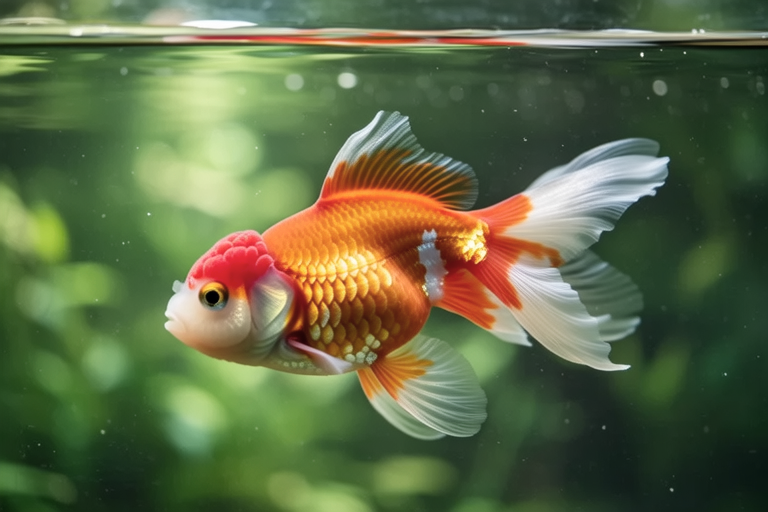
Goldfish Behavior Decoded: Understanding What Your Fish Is Trying to Tell You
Understanding your goldfish’s behavior is crucial for their well-being. Goldfish are more than just passive decorations for your aquarium; they are sentient beings that communicate through various behaviors. By learning to decode these behaviors, you can ensure their health, happiness, and longevity. This guide will help you understand what your goldfish are trying to tell you through their swimming patterns, eating habits, and reactions to stimuli.
The Importance of Understanding Goldfish Behavior
Your goldfish’s behavior can provide valuable insights into their physical and emotional state. Regular observation allows you to identify potential issues early, ensuring timely intervention and care. A healthy goldfish exhibits vibrant colors, active swimming, and consistent feeding habits. However, changes in these behaviors could signal underlying problems that need attention.
Swimming Patterns
Goldfish have unique swimming styles that can indicate their mood and health. Typically, a healthy goldfish swims gracefully around the tank, exploring its surroundings. If your goldfish is swimming erratically, gasping at the surface, or lying motionless at the bottom, it may be experiencing stress or health issues.
- Erratic Swimming: Erratic swimming, including sudden darting movements, can indicate stress or poor water quality. Ensure the tank has adequate filtration and regular water changes.
- Surface Diving: Gasping at the surface is often a sign of low oxygen levels. Consider adding an air pump or increasing water circulation.
- Lethargy: Lying still at the bottom suggests lethargy, which can result from overfeeding, constipation, or disease. Monitor feeding amounts and consult a veterinarian if symptoms persist.
Eating Habits
Observing your goldfish’s eating habits is another key to understanding their well-being. Goldfish are voracious eaters and typically show great enthusiasm when offered food. Changes in appetite can signal various conditions.
- Overeating: Goldfish can overeat, leading to bloating and swim bladder issues. Feed them small portions several times a day rather than large meals.
- Poor Appetite: Reduced interest in food may indicate stress, poor water conditions, or illness. Adjust tank parameters and consider a vet visit if necessary.
- Selective Eating: Goldfish may become selective eaters, showing preference for certain types of food. Provide a varied diet to ensure balanced nutrition.
Reactions to Stimuli
Your goldfish’s reaction to external stimuli can also reveal their state. They respond differently to light, sound, and other fish, providing clues about their comfort level.
- Light Sensitivity: Goldfish can become stressed by sudden changes in lighting. Use a dimmer switch to gradually adjust light levels.
- Noise: Excessive noise can disturb goldfish. Place the tank away from noisy areas and avoid sudden loud sounds.
- Social Interaction: Goldfish are social creatures and enjoy the company of others. Introduce new fish carefully to prevent aggression.
Identifying Signs of Stress or Illness
Stress and illness can significantly impact your goldfish’s behavior. Recognizing these signs early can help in addressing the problem promptly.
Signs of Stress
- Clamped Fins: Goldfish under stress may hold their fins close to their bodies.
- Color Loss: Stress can cause goldfish to lose their vibrant colors, appearing dull or pale.
- Increased Respiratory Rate: Rapid gill movement indicates stress or respiratory distress.
Signs of Illness
- Cloudy Eyes: Cloudiness in the eyes can indicate bacterial infections.
- White Spots: Small white spots on the body suggest Ich, a parasitic infection.
- Floating Issues: Difficulty in maintaining balance or floating upside down may indicate swim bladder disorder.
Maintaining a Healthy Environment
Creating a suitable habitat is essential for encouraging positive behavior in your goldfish. Proper care and maintenance can significantly improve their health and happiness.
Water Quality
Regular water changes and proper filtration are vital for maintaining optimal water quality. Aim for weekly partial water changes and monitor ammonia, nitrite, and nitrate levels. Use a reliable test kit to ensure water parameters remain within safe limits.
Feeding
A balanced diet is crucial for your goldfish’s health. Offer a variety of foods, including flakes, pellets, and live or frozen foods like brine shrimp and daphnia. Avoid overfeeding to prevent waste buildup and maintain water quality.
Tank Size and Setup
Adequate space is essential for goldfish to thrive. Ensure the tank size is appropriate for the number of fish and provide hiding spots and plants for security. Decorate the tank with caves and tunnels to stimulate exploration.
Temperature and Lighting
Goldfish prefer cooler temperatures between 68°F and 74°F (20°C to 23°C). Maintain a stable temperature using a heater and thermostat. Provide a consistent light cycle, mimicking natural daylight hours, to regulate their biological rhythms.
Conclusion
Understanding goldfish behavior is fundamental to their well-being. By observing their swimming patterns, eating habits, and responses to stimuli, you can identify potential issues and take proactive measures. Regularly maintaining a healthy environment ensures your goldfish lead happy, active lives. With a little patience and knowledge, you can decode your goldfish’s behavior and provide them with the best care possible.
