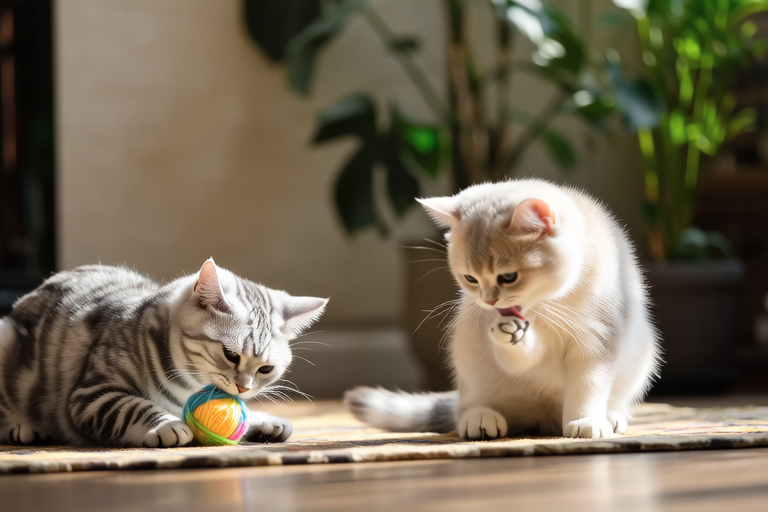
Munchkin Cats: The Unique Short-Legged Feline Companions
The Munchkin cat is a breed that has captured the hearts of many cat enthusiasts with its distinctive short legs and large paws. These charming creatures have a fascinating history, captivating physical features, and a delightful personality that makes them excellent companions. In this article, we will explore the world of Munchkin cats, delving into their physical characteristics, behavior, and care requirements.
Physical Characteristics of Munchkin Cats
Munchkin cats are known for their unique short legs, which can be attributed to a naturally occurring genetic mutation. This mutation affects the long bones in the legs, resulting in a shorter stature while maintaining a proportionate body size. Despite their diminutive legs, Munchkins have large paws, giving them a distinctive appearance that sets them apart from other breeds. Their bodies are muscular and well-proportioned, with a medium to large frame that is often described as sleek and elegant.
One of the most striking features of Munchkin cats is their variety of coat types. They come in both long-haired and short-haired varieties, each offering its own unique beauty. The short-haired Munchkins have a smooth, silky coat that requires minimal grooming, while the long-haired Munchkins boast a luxurious, semi-long coat that adds to their regal appearance. Both coat types come in a wide range of colors and patterns, including solid colors, tabby, bicolor, and tortoiseshell. The diversity in coat types and colors allows Munchkin cats to suit various preferences and styles.
In addition to their coats, Munchkin cats also exhibit a wide range of eye colors. Their eyes can be blue, green, hazel, or even odd-eyed (one blue and one green), adding to their allure and uniqueness. The combination of their large, expressive eyes and distinctive short legs creates an endearing and captivating appearance that is hard to resist.
Playful and Sociable Nature
Munchkin cats are renowned for their playful and sociable nature. They are known to be highly active and curious, always exploring their surroundings and engaging in various activities. Their large paws give them excellent balance and agility, allowing them to climb, jump, and play with ease. Despite their short legs, Munchkin cats are surprisingly adept at climbing trees, reaching high shelves, and navigating obstacles. Owners often report seeing their Munchkin cats scaling tall furniture or leaping onto countertops with surprising grace.
These cats are also incredibly affectionate and enjoy spending time with their human companions. They are known to follow their owners around the house, seeking attention and interaction. Munchkin cats thrive on socialization and enjoy being part of family activities. They are often seen lounging on laps, snuggling up next to their owners, or playing with toys. Their sociable nature makes them great pets for families with children, as they are patient and gentle, making them ideal playmates.
Adaptability to Different Living Environments
Munchkin cats are highly adaptable to various living environments, whether it’s a small apartment or a spacious home. Their playful and energetic nature ensures that they remain engaged and entertained regardless of the space available. However, it is important to provide them with plenty of vertical spaces, such as cat trees, shelves, and window perches, to allow them to reach new heights and explore their surroundings.
Owners have shared stories of their Munchkin cats finding creative ways to navigate their homes. One owner recounted how their Munchkin cat learned to open doors by pushing the door handle with its large paws. Another owner mentioned that their Munchkin cat became a master at opening cabinets and drawers, much to the amusement of the household. These anecdotes highlight the intelligence and resourcefulness of Munchkin cats, as well as their ability to adapt to different environments.
Common Health Considerations
While Munchkin cats are generally healthy, there are some health considerations to be aware of. Due to their unique genetic makeup, they may be more prone to certain spinal issues, such as lordosis (swayback) or kyphosis (humpback). It is essential to monitor their posture and ensure they have proper support when sitting or lying down. Regular veterinary check-ups and maintaining a healthy weight can help prevent these issues.
Another potential concern for Munchkin cats is respiratory problems, particularly in long-haired individuals. Their flattened chests and short legs can sometimes lead to breathing difficulties. Providing a clean living environment and ensuring proper ventilation can help minimize these risks. Additionally, regular grooming is crucial for long-haired Munchkin cats to prevent hairballs and respiratory issues caused by ingested fur.
History and Popularity of the Breed
The Munchkin cat breed originated in the United States in the late 20th century. The breed was first discovered in Louisiana in the early 1980s when a breeder noticed a cat with unusually short legs. This cat, named Blackberry, was the foundation of the breed. Blackberry was crossed with other domestic shorthair cats, and over time, the Munchkin breed was developed.
The breed gained recognition from The International Cat Association (TICA) in 2003, becoming the first accepted “short-legged” cat breed. Since then, the Munchkin cat has grown in popularity, attracting admirers worldwide. Their unique appearance, coupled with their friendly and playful personalities, has made them a favorite among cat lovers. Many owners find the Munchkin cat’s charm irresistible, and their presence in households continues to grow.
Tips for Potential Owners
If you’re considering adopting a Munchkin cat, there are several tips to keep in mind to ensure their well-being and happiness. Firstly, providing ample opportunities for exercise and play is crucial. Munchkin cats are highly active and need mental and physical stimulation to stay healthy and happy. Interactive toys, puzzle feeders, and regular play sessions can help keep them engaged and prevent boredom.
Grooming is another important aspect of caring for a Munchkin cat. Short-haired Munchkins require minimal grooming, but it is still beneficial to brush their coat weekly to remove loose hairs and distribute natural oils. Long-haired Munchkins, on the other hand, require more frequent brushing, ideally daily, to prevent matting and tangles. Regular grooming also helps reduce shedding and keeps their coat looking its best.
Dietary considerations are also essential for Munchkin cats. A balanced diet rich in protein, vitamins, and minerals is vital for their overall health. Consult with your veterinarian to determine the appropriate amount of food and frequency of meals based on your Munchkin cat’s age, weight, and activity level. Feeding them a high-quality commercial cat food or a balanced homemade diet can help maintain their optimal health.
Why Munchkin Cats Make Wonderful Pets
Munchkin cats are truly unique and charming companions that bring joy and laughter into the lives of their owners. Their playful and sociable nature, combined with their distinctive short legs and large paws, makes them stand out among other cat breeds. Whether they are leaping onto high shelves, following their owners around the house, or curling up for a nap, Munchkin cats have a way of capturing hearts and creating lasting memories.
With proper care and attention, Munchkin cats can live long, healthy, and fulfilling lives. Their adaptability to different living environments and their ability to form strong bonds with their human companions make them excellent pets for families, singles, and everyone in between. If you’re looking for a loving and unique feline companion, a Munchkin cat may just be the perfect choice.
