Unveiling the Secret Lives of Persian Cats: What Owners Need to Know
Persian cats are one of the most recognizable and beloved breeds worldwide. Known for their long, luxurious coats and sweet, gentle dispositions, these felines have captivated cat lovers for centuries. Understanding the unique characteristics, history, grooming needs, health issues, dietary requirements, and temperament of Persian cats can greatly enhance your experience as an owner. This article aims to provide you with all the essential information you need to know about these enchanting creatures.
The Unique Characteristics and History of Persian Cats
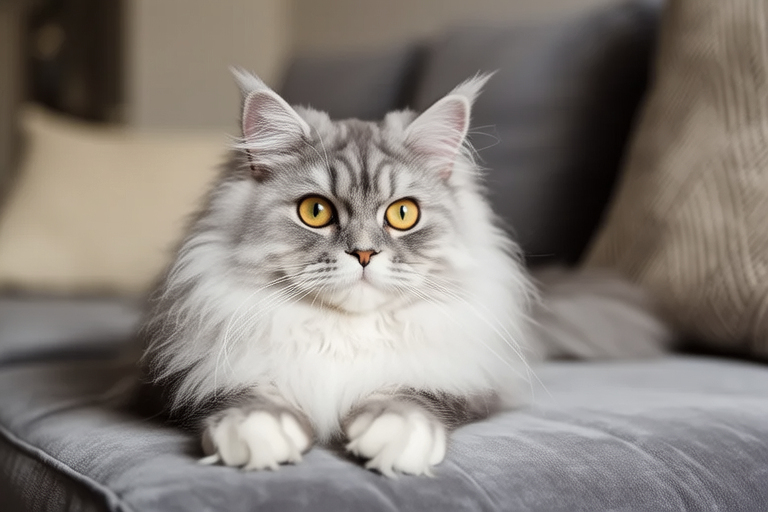
Persian cats are distinguished by their round faces, short noses, large expressive eyes, and flowing coats that come in a variety of colors and patterns. The breed’s origins trace back to Persia (now Iran), where they were selectively bred for their luxurious fur. Persian cats were first introduced to Europe in the 17th century and quickly became popular among nobility. Over time, selective breeding has resulted in the modern Persian cat, which is known for its distinctive appearance and docile nature.
Grooming Needs
One of the most notable aspects of owning a Persian cat is their extensive grooming requirements. Their thick, dense coats require daily brushing to prevent matting and hairballs. Regular grooming also helps maintain their coat’s luster and prevents skin problems. It’s important to start grooming your Persian cat from a young age so they become accustomed to it. Additionally, bathing your Persian cat every few months is necessary to keep their coat clean and free from oil buildup. Pay special attention to areas such as the face and ears, where dirt can accumulate more easily.
Health Issues Common to the Breed
Persian cats are prone to certain health issues due to their unique physical characteristics and genetic predispositions. Respiratory problems are common because of their flattened faces, which can lead to breathing difficulties. Regular veterinary check-ups are crucial to monitor their respiratory health. They are also susceptible to dental issues, urinary tract infections, and obesity. Obesity can be particularly problematic, as it increases the risk of diabetes, arthritis, and other health complications. Maintaining a healthy weight through proper diet and exercise is essential.
Dietary Requirements
A balanced diet is vital for maintaining your Persian cat’s health. High-quality commercial cat food that meets their nutritional needs should be the foundation of their diet. Look for foods that are specifically formulated for indoor cats or those with sensitive stomachs, as Persian cats often have digestive sensitivities. Avoid feeding them table scraps or human foods that could be harmful. Fresh water should always be available to ensure they stay hydrated. Consult your veterinarian for specific dietary recommendations based on your cat’s age, weight, and overall health.
Temperament and Interaction
Persian cats are renowned for their calm, affectionate, and laid-back personalities. They enjoy being around their owners but are not overly demanding of attention. They tend to be independent and can entertain themselves for extended periods, making them ideal companions for busy households. However, they still appreciate regular interaction and playtime. Spend quality time with your Persian cat by playing interactive games, providing scratching posts, and offering toys that stimulate their minds and bodies. This interaction fosters a strong bond and ensures their mental well-being.
Creating a Stimulating Environment at Home
To create a stimulating environment for your Persian cat, consider several factors. First, ensure they have plenty of vertical spaces to explore, such as cat trees, window perches, and shelves. These elevated areas allow them to survey their surroundings and feel secure. Provide a variety of toys that cater to different play styles, including puzzle toys, feather wands, and laser pointers. Interactive play sessions not only entertain your cat but also help maintain their physical fitness. Lastly, designate a quiet, comfortable space where your Persian cat can retreat when they need some alone time. This sanctuary will contribute to their overall happiness and well-being.
In conclusion, owning a Persian cat is a rewarding experience that comes with responsibilities. By understanding their unique characteristics, grooming needs, health issues, dietary requirements, temperament, and environmental preferences, you can provide your Persian cat with a loving and enriching life. With proper care and attention, your Persian cat will thrive, bringing joy and companionship to your home for many years to come.
