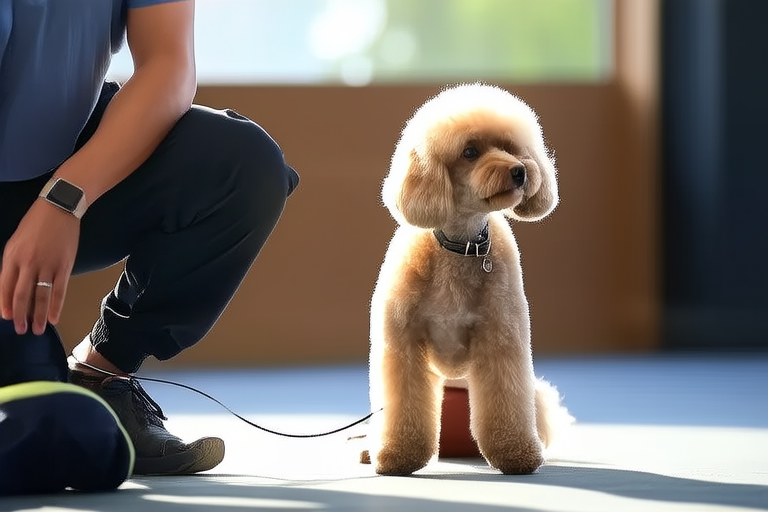
Poodle Training Tips: From Puppyhood to Perfect Pet Partner
Welcome to the wonderful world of poodles! Known for their intelligence, versatility, and striking appearance, poodles make excellent companions and are ideal candidates for training. Their eagerness to learn and ability to understand commands quickly make them one of the most trainable breeds. Whether you’re a first-time owner or a seasoned dog lover, this guide will provide you with essential training tips to help your poodle become the perfect pet partner.
Basic Obedience Training Techniques Suitable for Puppies
The foundation of any successful training program lies in basic obedience. Teaching your poodle puppy fundamental commands such as ‘sit,’ ‘stay,’ ‘come,’ and ‘leave it’ is crucial. Positive reinforcement is key; reward your poodle with treats, praise, or playtime when they follow a command correctly. Begin training sessions early, ensuring they are short and frequent, lasting about five minutes per session. This approach keeps your puppy engaged and prevents them from becoming overwhelmed.
Consistency is vital. Use the same command words and hand signals each time to avoid confusion. Be patient and keep training sessions fun to maintain your puppy’s enthusiasm. Gradually increase the difficulty of the commands by adding distractions and varying the environments where you practice. This ensures that your poodle can perform the desired behaviors reliably in different settings.
Housebreaking Methods
Housebreaking is a critical aspect of raising a well-behaved poodle. Establishing a routine is essential. Take your puppy outside to eliminate at regular intervals, especially after meals, naps, and playtime. Choose a specific spot in your yard and always take your puppy there. Consistency helps your poodle associate the area with the need to go potty.
Supervise your puppy closely indoors and use a crate when you cannot watch them. A crate provides a secure space and helps prevent accidents. Puppies generally won’t soil their sleeping area, so placing them in a crate until they are fully housebroken can be beneficial. If an accident occurs inside, calmly clean it up without scolding your puppy. Instead, redirect them to the appropriate outdoor location immediately afterward.
Socialization Tips
Socializing your poodle is crucial for developing a well-rounded, confident adult dog. Expose your puppy to various people, animals, and environments from an early age. Arrange playdates with other vaccinated puppies, introduce them to different surfaces, sounds, and smells, and take them to busy places like parks and pet stores. Positive experiences during these interactions will help your poodle become comfortable and friendly in diverse situations.
It’s important to ensure all socialization experiences are positive. Avoid overwhelming your puppy with too many new stimuli at once. Gradual exposure allows them to acclimate comfortably. Additionally, teach your poodle basic commands during socialization sessions. This way, they can learn to respond to your instructions even when distracted by their surroundings.
Strategies for Maintaining Good Behavior as They Grow
As your poodle grows, maintaining good behavior requires ongoing effort. Regular training sessions reinforce learned commands and introduce new ones. Incorporate obedience exercises into daily walks and playtimes. Engage in activities that challenge your poodle mentally and physically, such as puzzle toys or interactive games. This keeps them stimulated and less likely to develop destructive behaviors due to boredom.
Consistency in enforcing rules and boundaries is crucial. Establish clear guidelines regarding acceptable behaviors and stick to them. Use positive reinforcement to encourage desired behaviors and ignore unwanted ones whenever possible. Redirect attention to more appropriate activities if your poodle starts misbehaving. This approach teaches them what actions lead to rewards and which do not.
Advanced Training Options
Once your poodle has mastered basic obedience, consider exploring advanced training options. Agility training offers an exciting way to challenge your dog physically and mentally. Participating in agility classes or setting up an obstacle course at home can enhance your poodle’s coordination and problem-solving skills. Learning tricks like rolling over, fetching, or playing dead adds variety to training sessions and strengthens the bond between you and your pet.
Participating in formal training classes can also benefit both you and your poodle. Group classes provide opportunities for social interaction while offering professional guidance. Advanced obedience trials or therapy dog certification programs offer additional challenges and rewards for motivated dogs and handlers.
Addressing Common Behavioral Issues
Despite proper training, some behavioral issues may arise. Separation anxiety is common among poodles. To address this, gradually increase the duration of time spent away from your poodle. Provide them with a safe, comfortable place to stay, such as a crate or designated room. Leave them with a toy or treat that distracts them and makes them feel secure.
Barking can be another issue. Identify the triggers causing excessive barking and work on redirecting your poodle’s attention. Teach them an alternative behavior, such as fetching a toy or sitting quietly. Consistently reward calm behavior while ignoring barking. Professional assistance from a trainer or behaviorist might be necessary if the problem persists.
Maintaining a Strong Bond Throughout Their Life
A strong bond between you and your poodle is essential for a happy relationship. Spend quality time together through walks, play, and training sessions. Show affection regularly but avoid spoiling them excessively. Maintain a balance between discipline and love, ensuring they know you are in charge while feeling loved and valued.
Incorporate training into everyday routines to keep communication open and strengthen your connection. Use positive reinforcement consistently to build trust and respect. Celebrate small victories and milestones to keep training enjoyable for both you and your poodle.
Continuous Learning and Adaptation
Training doesn’t end when your poodle reaches adulthood. As they mature, their needs and abilities change, requiring adjustments in your approach. Stay informed about new training techniques and tools that can enhance your poodle’s education. Attend workshops, read books, and join online communities dedicated to canine training.
Be adaptable and willing to modify your training methods based on your poodle’s changing needs. Encourage continuous learning by introducing new challenges and experiences. This ensures your poodle remains engaged and excited about training throughout their life, fostering a lifelong partnership built on mutual respect and understanding.
By following these comprehensive training tips, you’ll set your poodle on the path to becoming the perfect pet partner. With patience, consistency, and dedication, you’ll enjoy a rewarding relationship filled with love, loyalty, and shared adventures. Happy training!
