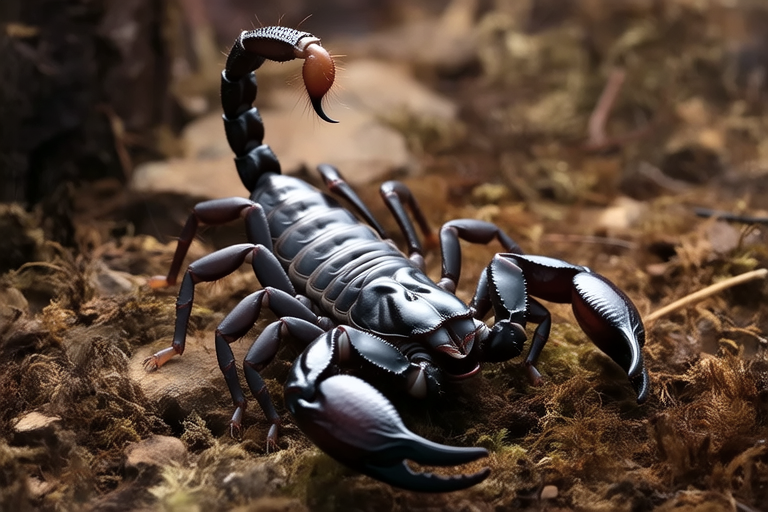
Top 10 Surprising Facts About the Majestic Heterometrus Spinifer Scorpion
The Heterometrus spinifer, also known as the giant forest scorpion, is a fascinating creature that has intrigued biologists and nature enthusiasts alike. This scorpion species, native to Southeast Asia, is known for its impressive size, complex behavior, and remarkable adaptations. Here are ten surprising facts about the Heterometrus spinifer that will deepen your appreciation for these creatures.
Fact 1: The Heterometrus Spinifer Can Reach an Impressive Size
The Heterometrus spinifer is one of the largest scorpion species in the world. Adults can grow up to 15 centimeters in length, making them formidable predators in their environment. Their large size is due to a combination of genetic factors and environmental conditions, which allow them to reach maturity at an impressive scale. This size advantage helps them hunt larger prey and defend themselves more effectively against potential threats.
Fact 2: They Have Unique Venom That’s Both Defensive and Offensive
The venom of the Heterometrus spinifer contains a potent mix of neurotoxins and other compounds that serve multiple purposes. Primarily used for defense, this venom can cause intense pain and swelling in its victims, deterring predators from attacking. Additionally, it serves as an offensive tool, immobilizing prey before consumption. Recent studies have shown that the venom of this species may have potential medical applications, including pain management and neurological research.
Fact 3: These Scorpions Are Nocturnal Hunters
Like many scorpion species, the Heterometrus spinifer is nocturnal, hunting primarily during the night. They use their keen senses, particularly touch and smell, to locate prey in the dark. Their pincers and stinger are highly effective tools in capturing and subduing their targets, which include insects, spiders, and even small vertebrates. Their nocturnal lifestyle is an adaptation to avoid daytime heat and predators, showcasing the intricate balance of survival strategies in the wild.
Fact 4: The Heterometrus Spinifer Has a Complex Social Structure
Contrary to popular belief, not all scorpions live solitary lives. The Heterometrus spinifer exhibits a level of social behavior that is relatively rare among arachnids. Males and females engage in elaborate courtship rituals, and juveniles often remain close to their mother for protection and guidance. This social structure provides benefits such as increased survival rates and better resource allocation, demonstrating the complexity of interactions within this species.
Fact 5: They Adapt to a Wide Range of Habitats
The Heterometrus spinifer is highly adaptable and can be found in various habitats across Southeast Asia, from dense rainforests to open grasslands. They thrive in environments with high humidity and plenty of hiding spots, such as under rocks or logs. Their ability to adjust to different conditions showcases their resilience and highlights the importance of biodiversity in maintaining healthy ecosystems.
Fact 6: The Scorpion’s Exoskeleton Provides Both Protection and Camouflage
The exoskeleton of the Heterometrus spinifer is not only a protective barrier but also plays a crucial role in camouflage. Its coloration, which varies from brown to black, helps it blend into its surroundings, making it difficult for both predators and prey to spot. This adaptation is especially useful in densely vegetated areas, where visibility is limited. Moreover, the exoskeleton is periodically shed through a process called molting, allowing the scorpion to grow and repair any damage sustained.
Fact 7: Mating Rituals Are Elaborate and Intricate
Mating in the Heterometrus spinifer involves a series of intricate behaviors that are both fascinating and essential for reproduction. The male uses his pedipalps (the appendages near the mouth) to grasp the female and guide her into position for mating. This process is delicate and requires coordination between both partners to ensure successful fertilization. After mating, the female carries the eggs internally until they hatch, providing additional care and protection for her offspring.
Fact 8: They Have Exceptional Survival Strategies
The Heterometrus spinifer employs several survival strategies that contribute to its longevity in the wild. For instance, they can survive for months without food by conserving energy and reducing metabolic activity. Additionally, they have a strong resistance to dehydration, thanks to their ability to store water in their bodies. These adaptations make them well-suited for life in regions with unpredictable rainfall patterns, further emphasizing their adaptability.
Fact 9: The Species Faces Threats from Habitat Loss and Pollution
Despite their resilience, the Heterometrus spinifer faces significant challenges due to human activities. Deforestation, urbanization, and pollution threaten their natural habitats, leading to a decline in population numbers. Conservation efforts are crucial to protect these magnificent creatures and preserve the ecological balance they help maintain. Raising awareness about the importance of preserving their habitats is vital for ensuring the survival of this species.
Fact 10: The Heterometrus Spinifer Is a Key Indicator of Environmental Health
The presence of the Heterometrus spinifer in an ecosystem is often seen as an indicator of environmental health. Their sensitivity to changes in temperature, humidity, and pollution levels makes them valuable bioindicators. Monitoring their populations can provide insights into the overall condition of the environment, helping researchers and conservationists develop effective strategies to protect biodiversity.
In conclusion, the Heterometrus spinifer is a remarkable species with many unique characteristics and adaptations. From their impressive size and venom to their complex social structures and survival strategies, these scorpions continue to captivate scientists and nature lovers around the world. Understanding and appreciating these creatures not only enriches our knowledge of biology but also underscores the importance of preserving their habitats and protecting biodiversity.
