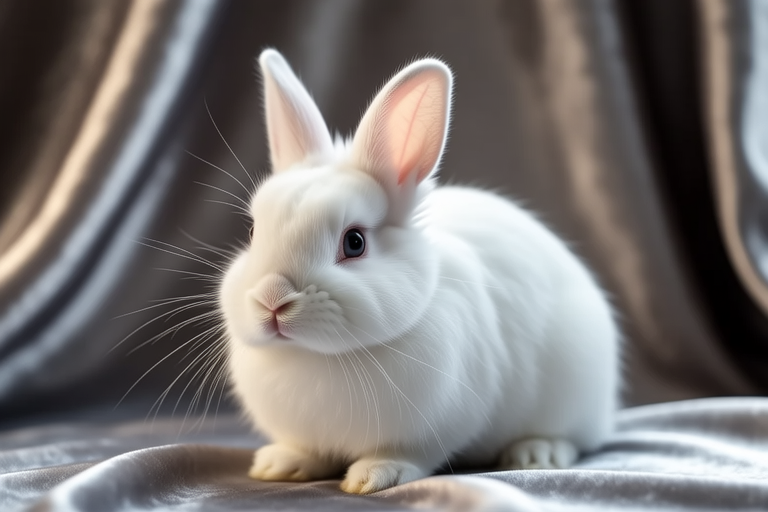
Rabbit Royalty: Inside the World of the Playful and Petite Dutch Dwarf
The world of rabbits is vast and varied, with each breed offering its own unique charm and characteristics. Among these breeds, the Dutch Dwarf stands out as a particularly beloved and enchanting choice for pet owners. This article delves into the fascinating history, physical attributes, and personality traits of the Dutch Dwarf rabbit, providing valuable insights into their care and maintenance. Additionally, we will explore the reasons behind their growing popularity as pets and offer guidance on how to responsibly adopt or purchase one.
A Brief History and Unique Characteristics
The Dutch Dwarf rabbit, originally bred in the Netherlands during the early 20th century, is a result of crossbreeding between the Dutch rabbit and smaller breeds like the Netherland Dwarf. The aim was to create a compact, playful, and charming companion that would appeal to both hobbyists and families. Today, the Dutch Dwarf is recognized for its distinct appearance and gentle nature, making it a favorite among rabbit enthusiasts.
One of the most striking features of the Dutch Dwarf is its small size, typically weighing around 2 to 3 pounds. Despite their petite stature, they have robust bodies and short, dense fur that comes in a variety of colors, including white, black, chocolate, and blue. Their large, round eyes and expressive faces give them a curious and alert appearance, often described as endearing and captivating.
Temperament and Personality
Dutch Dwarfs are known for their friendly and affectionate demeanor. They are highly social animals that enjoy interacting with humans and other pets. These rabbits tend to be more active than many other breeds, displaying a playful and energetic spirit. Their curiosity often leads them to investigate their surroundings, making them delightful companions for those who enjoy watching their antics.
However, it’s important to note that while Dutch Dwarfs are generally docile, they can be sensitive to sudden movements or loud noises. Therefore, handling them requires patience and gentleness. Owners should take the time to build trust and establish a routine that includes regular interaction and playtime. With proper care and attention, these rabbits can become loving and devoted companions.
Common Health Issues
Despite their hardy constitution, Dutch Dwarfs are prone to certain health problems, primarily due to their small size and specific genetic makeup. One of the most common issues is dental disease, which can lead to overgrown teeth and difficulty eating. Regular dental checkups are essential to prevent this problem. Another concern is obesity, which can strain their delicate skeletal structure. Maintaining a balanced diet and ensuring adequate exercise are crucial in preventing this condition.
In addition, Dutch Dwarfs may experience respiratory infections, especially if they are kept in environments with poor ventilation or exposed to drafts. To minimize the risk, owners should provide a clean, well-ventilated living space and avoid overcrowding. Regular veterinary checkups and prompt treatment of any symptoms are also vital in maintaining their overall health.
Care and Maintenance Tips
Diet
A balanced diet is essential for the health and longevity of Dutch Dwarf rabbits. Their diet should consist mainly of high-quality hay, which provides necessary fiber and helps maintain digestive health. Fresh vegetables, such as leafy greens, should be offered daily, but in moderation. Fruits and treats should be given sparingly, as they are high in sugar and can contribute to weight gain.
Commercial rabbit pellets can be included in the diet but should not make up the majority of their food intake. It’s important to choose pellets specifically formulated for dwarf breeds, as they have different nutritional needs compared to larger rabbits. Providing fresh water at all times is also crucial, as dehydration can quickly lead to serious health complications.
Exercise and Living Space
Like all rabbits, Dutch Dwarfs require ample space to move and play. A spacious indoor cage or outdoor hutch is recommended, with dimensions of at least 4 feet long, 2 feet wide, and 2 feet high. The cage should be equipped with a solid floor, bedding material (such as straw or shredded paper), and hiding spots to provide comfort and security. Regular cleaning of the living area is necessary to maintain hygiene and prevent the spread of illness.
Exercise is equally important for their physical and mental well-being. Dutch Dwarfs benefit from supervised playtime outside their enclosure, allowing them to stretch their legs and explore their environment. This can be done in a safe, rabbit-proofed room or a secure outdoor area. Providing toys, tunnels, and platforms can further stimulate their natural instincts and keep them entertained.
Popularity as Pets
The Dutch Dwarf rabbit has gained significant popularity as a pet due to its charming appearance and friendly disposition. Many owners appreciate the breed’s adaptability and ease of care, making them suitable for both first-time and experienced rabbit owners. Their small size also makes them ideal for apartment living or households with limited space.
Stories from owners highlight the joy and companionship these rabbits bring into their lives. One owner shared, “My Dutch Dwarf, Buttons, has become my constant companion. She loves to follow me around the house and enjoys cuddling up with me on the couch. Her playful nature keeps me entertained, and I find myself laughing at her antics every day.”
Another owner noted, “What I love most about my Dutch Dwarf is how interactive he is. He always seems eager to play and explore new things. His curiosity and energy make him a delightful pet to have.”
Responsible Adoption and Purchase
If you’re considering adding a Dutch Dwarf to your family, it’s important to approach the process with responsibility and care. Adopting from a reputable breeder or rescue organization ensures that you receive a healthy and well-socialized rabbit. Reputable breeders prioritize the welfare of their animals and provide detailed information about the breed’s care requirements.
When purchasing a Dutch Dwarf, look for signs of good health, such as clear eyes, clean ears, and a shiny coat. The rabbit should appear alert and active, with no signs of lethargy or discomfort. It’s advisable to meet the parents, if possible, to get a sense of the rabbit’s temperament and ensure compatibility with your lifestyle.
Adopting from a rescue organization offers the opportunity to give a second chance to a deserving animal. Many rescued Dutch Dwarfs have been abandoned or mistreated, and providing them with a loving home can be incredibly rewarding. Rescue organizations often provide support and resources to help new owners transition smoothly into caring for their new pet.
No matter the source, responsible pet ownership involves commitment and dedication. This includes providing proper care, addressing any health concerns promptly, and ensuring a safe and enriching environment. By following these guidelines, you can enjoy a fulfilling and joyful relationship with your Dutch Dwarf rabbit.
Conclusion
The Dutch Dwarf rabbit is a delightful and captivating breed that brings joy and companionship to many households. Their unique blend of size, appearance, and personality makes them a standout choice for pet owners seeking a loving and playful companion. By understanding their specific needs and providing proper care, you can ensure a happy and healthy life for your Dutch Dwarf rabbit.
Whether you’re a seasoned rabbit owner or new to the world of small pets, the Dutch Dwarf offers a rewarding and enriching experience. Embrace the responsibility of pet ownership with enthusiasm and care, and you’ll be rewarded with a loyal and affectionate friend for years to come.
