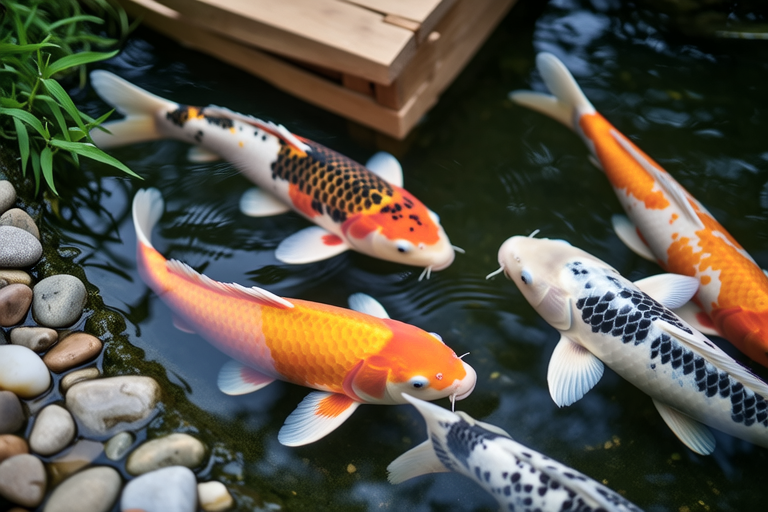
Koi Care Simplified: Essential Secrets to Keep Your Fish Healthy
Introduction
Koi fish have captivated the hearts of aquarium enthusiasts for centuries. Their vibrant colors, graceful movements, and relatively low maintenance requirements make them a popular choice for both hobbyists and professionals alike. Originating from Japan, these carp are not just pets; they are living pieces of art that can thrive in a well-maintained pond environment. However, maintaining the health and beauty of koi requires more than just setting up a pond and dropping the fish in. This guide aims to simplify koi care by covering the essentials from pond setup to seasonal care, ensuring your koi remain healthy and vibrant.
Ideal Pond Setup
The foundation of successful koi keeping lies in creating an optimal pond environment. The pond should be spacious enough to accommodate the growth of your koi over time, with a minimum depth of 3 feet to ensure adequate oxygen levels and protection against predators. A filtration system is crucial for maintaining water quality. Choose a filter that matches the volume of your pond and incorporates mechanical, biological, and chemical filtration to remove debris, break down waste, and neutralize harmful chemicals.
In addition to the filtration system, aeration is essential. Surface fountains or underwater pumps help circulate the water, preventing stagnation and ensuring that all areas of the pond receive oxygen. Proper lighting can also enhance the visual appeal of your pond, making it a delightful feature in your garden. Remember, the goal is to create a serene and healthy habitat where your koi can flourish.
Water Quality Maintenance
Water quality is paramount for the health of your koi. Regular testing of pH, ammonia, nitrite, and nitrate levels ensures that your pond remains safe and comfortable for your fish. Aim for a pH level between 7.0 and 8.5, with ammonia and nitrite levels close to zero. Nitrate levels should be kept below 50 ppm.
To maintain these parameters, perform routine water changes, typically around 10% weekly. This helps dilute accumulated waste products and replenishes vital minerals. Additionally, consider using beneficial bacteria products to support the biological filtration process, enhancing the breakdown of organic matter and reducing toxic substances.
Feeding Guidelines
Proper nutrition is key to keeping your koi healthy and vibrant. High-quality koi pellets formulated with a balanced mix of proteins, fats, vitamins, and minerals should form the basis of their diet. Feed your koi small amounts multiple times a day during warmer months when they are most active. As temperatures drop, reduce feeding frequency and switch to a wheat germ-based diet that’s easier for the fish to digest in cooler conditions.
Avoid overfeeding, as excess food can degrade water quality. Always observe your koi for at least five minutes after feeding to ensure they have consumed all the food. Uneaten food should be removed promptly to prevent pollution.
Common Health Issues
Despite your best efforts, koi may still encounter health problems. Common ailments include fin rot, ulcers, and parasites. Fin rot manifests as frayed or discolored fins and can result from poor water quality or physical damage. Ulcers often appear as red sores on the body and are frequently caused by bacterial infections. Parasites like ich, which presents as white spots on the skin, are usually introduced through new fish or contaminated equipment.
Treatment depends on the specific issue but generally involves improving water quality, administering medication, and isolating affected fish if necessary. Regular observation allows you to catch potential issues early, increasing the chances of successful treatment.
Signs of a Healthy Koi
Healthy koi exhibit certain behaviors and characteristics that indicate their well-being. Active swimming patterns, bright colors, and a robust appetite are positive signs. Conversely, lethargy, loss of color, and reduced appetite may signal underlying health concerns. Regularly inspect your koi for any unusual growths, discolorations, or lesions that could indicate illness. Healthy koi will also show no signs of distress when approached or handled gently.
Seasonal Care Tips
As seasons change, so do the needs of your koi. During summer, focus on maintaining stable water temperatures and providing ample shade to prevent overheating. In winter, monitor oxygen levels closely as colder water holds more dissolved oxygen but has less surface agitation for gas exchange. Consider installing an aerator or de-icer to prevent ice from forming completely across the pond surface.
Spring and fall require attention to water quality and gradual adjustments in feeding schedules to accommodate changing environmental conditions. Seasonal care ensures that your koi remain comfortable throughout the year, adapting to each phase of the natural cycle.
Choosing the Right Koi for Beginners
Selecting the right koi is crucial for beginners. Start with hardier varieties known for their resilience, such as Kohaku or Sanke. These types tend to be more forgiving of occasional lapses in care and are easier to maintain. When purchasing koi, look for fish with symmetrical patterns, clear eyes, and smooth, intact scales. Avoid fish showing signs of illness or stress.
Consider the size and number of koi based on your pond’s capacity. Overstocking leads to competition for resources and increased waste production, both of which can harm your koi. By starting with a manageable number of fish, you set yourself up for success and enjoy watching your koi grow and thrive.
Conclusion
Maintaining healthy koi involves understanding their unique needs and providing a nurturing environment. From setting up an ideal pond to monitoring water quality and addressing health issues, every aspect plays a role in ensuring your koi live long, happy lives. With this guide, both novice and experienced koi keepers can deepen their knowledge and commitment to these beautiful creatures. Embrace the journey of koi keeping and watch your pond transform into a tranquil oasis filled with vibrant life.
