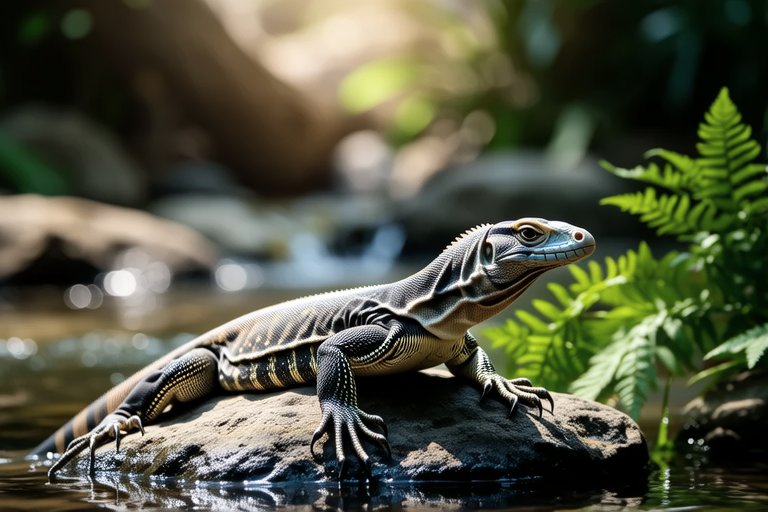
Unleashing the Secrets of the Water Monitor: A Unique Pet You Need to Know
The water monitor (Varanus salvator) is one of the most fascinating reptiles in the world. This species, known for its impressive size, adaptability, and intelligence, has long captivated reptile enthusiasts. While often considered a challenge to keep, the water monitor’s unique characteristics make it a subject of intrigue and admiration for those willing to take on the responsibility of caring for this extraordinary creature.
Introduction to the Water Monitor
Water monitors are native to Southeast Asia, ranging from India to Indonesia, and can be found in a variety of habitats, including rainforests, mangroves, and coastal areas. These lizards are highly adaptable, thriving both on land and in water. The water monitor is the second-largest lizard in the world, after the Komodo dragon, with males reaching lengths of up to 9 feet (2.7 meters) and weighing up to 50 pounds (23 kilograms). Females are generally smaller, measuring around 6 feet (1.8 meters) in length and weighing less than 20 pounds (9 kilograms).
One of the most striking features of the water monitor is its powerful tail, which accounts for approximately half of its total body length. This prehensile appendage is used for swimming, balance, and defense. The water monitor’s eyes are also noteworthy, with excellent vision that allows it to spot prey from great distances. Additionally, these lizards possess sharp claws and strong jaws, making them formidable predators.
Habitat Preferences and Diet
Water monitors are semi-aquatic creatures, meaning they spend significant time both in and out of the water. In the wild, they are often seen basking on tree branches near bodies of water or swimming in search of food. As pets, it is essential to provide them with a habitat that mimics their natural environment. This includes a large enclosure with ample space for swimming, climbing, and basking. A water dish should be provided, large enough for the monitor to submerge itself completely.
Water monitors are opportunistic feeders, meaning they will eat almost anything they can catch. Their diet consists primarily of fish, insects, small mammals, birds, and eggs. In captivity, they can be fed a varied diet of commercially available monitor pellets, rodents, and feeder fish. It is important to offer a balanced diet to ensure proper growth and overall health. Feeding should be done several times a week, depending on the size and age of the monitor.
Care Requirements
Housing
Creating an appropriate living space for a water monitor is crucial. The enclosure should be spacious, with a minimum size of 10 feet by 5 feet for adults. A substrate that retains moisture, such as coconut fiber or reptile-safe mulch, is recommended. The enclosure should have multiple levels for climbing and basking, as well as a large water dish for swimming. Proper ventilation is essential to prevent the buildup of harmful bacteria and fungi.
Feeding
As mentioned earlier, water monitors are carnivorous and require a high-protein diet. Juvenile monitors can be fed daily, while adults may only need feeding every few days. It is important to offer a variety of foods to ensure nutritional balance. Commercially available monitor pellets can be supplemented with live or frozen-thawed prey items, such as mice, rats, and fish. Calcium and vitamin D3 supplements should be added to the diet to support bone health.
Health Considerations
Regular veterinary check-ups are necessary to maintain the health of your water monitor. Common health issues include respiratory infections, metabolic bone disease, and parasites. Signs of illness may include lethargy, loss of appetite, discharge from the nose or eyes, and abnormal stool. If any of these symptoms are observed, it is crucial to consult a veterinarian specializing in exotic animals.
Behavioral Traits
Water monitors are intelligent and curious creatures, often displaying behaviors that suggest a high level of cognitive ability. They are known to recognize their handlers and may even respond to certain cues or commands. However, due to their size and strength, it is important to handle them with caution and respect their boundaries. While some monitors may tolerate gentle handling, others may prefer minimal interaction.
Water monitors are territorial and may become aggressive if they feel threatened. Providing a secure and spacious environment can help reduce stress and promote a more relaxed demeanor. Regular socialization and positive reinforcement training can also contribute to a better relationship between owner and pet.
Tips for First-Time Owners
If you are considering adopting a water monitor, there are several factors to keep in mind. Firstly, it is essential to thoroughly research the species and understand the commitment involved in caring for such a large and potentially dangerous animal. Ensure that you have access to a qualified veterinarian who specializes in reptiles and that you can provide the necessary equipment and resources for a healthy environment.
It is also important to be aware of local regulations regarding exotic pets. Some regions may have restrictions or require permits for owning certain species. Always purchase your water monitor from a reputable breeder or rescue organization to ensure ethical sourcing and avoid supporting the illegal wildlife trade.
Addressing Misconceptions
There are several common misconceptions about keeping water monitors as pets. One of the most prevalent is the belief that these lizards are easy to care for due to their adaptability. While water monitors are indeed versatile, they require specialized care and a considerable amount of space. Another misconception is that they are docile and safe to handle. While some individuals may tolerate gentle handling, water monitors can be unpredictable and may bite or scratch if they feel threatened.
Another myth is that water monitors are inexpensive pets. While the initial cost of purchasing a water monitor may be relatively low, the ongoing expenses associated with feeding, housing, and veterinary care can add up quickly. It is important to consider all costs before committing to ownership.
Why the Water Monitor Stands Out
The water monitor is a truly remarkable animal, offering a unique combination of intelligence, adaptability, and beauty. For experienced reptile enthusiasts, the challenge of caring for such a large and complex creature can be incredibly rewarding. Watching a water monitor explore its environment, interact with its surroundings, and exhibit problem-solving behavior is a testament to the wonders of nature.
However, it is important to remember that the water monitor is not a pet for everyone. Its size, strength, and specific care requirements make it unsuitable for novice reptile owners or those unable to commit to the responsibilities involved. If you are prepared to dedicate the time, effort, and resources necessary to care for a water monitor, you will be rewarded with a fascinating and captivating companion.
In conclusion, the water monitor is a unique and captivating pet that requires careful consideration and responsible ownership. By understanding the needs and behaviors of this remarkable reptile, you can provide a loving and enriching home for a water monitor, ensuring a rewarding experience for both you and your pet.
