Schnauzer Training Tips: How to Raise an Obedient and Happy Pup
Welcome to the world of Schnauzers! These charming dogs are known for their distinctive beards and wiry coats, but they’re more than just eye candy. Schnauzers are intelligent, loyal, and full of energy, making them fantastic companions for families and individuals alike. However, their high intelligence can sometimes lead to mischievous behavior if not properly managed. In this guide, we’ll explore how to train your Schnauzer effectively, ensuring you have an obedient and joyful companion.
Understanding Schnauzers: Unique Traits and Temperament
Schnauzers come in three sizes: Standard, Miniature, and Giant. Despite their size differences, all Schnauzers share similar traits. They are alert, protective, and very social animals. Their intelligence makes them quick learners, but it also means they can become bored easily if not given enough mental stimulation. Schnauzers thrive in environments where they receive plenty of attention and are engaged in activities that challenge their minds.
Essential Basic Training Techniques
The foundation of any successful training program is consistency and patience. Positive reinforcement is particularly effective with Schnauzers because it taps into their natural desire to please their owners. Here are some key techniques:
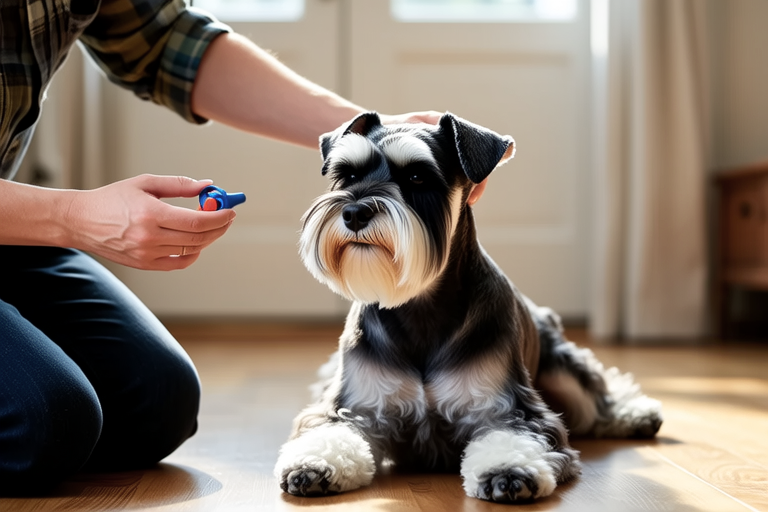
- Clicker Training: Using a clicker can help reinforce desired behaviors. When your Schnauzer does something right, click the clicker and immediately follow up with a treat. Over time, the click itself becomes a reward.
- Consistency: Always use the same commands for each action. For example, if you want your Schnauzer to sit, always say ‘sit.’ Avoid confusing your dog by using different terms.
- Short Sessions: Keep training sessions short—about 10 to 15 minutes at a time—to keep your Schnauzer engaged.
- Patience: Remember, every dog learns at its own pace. Stay patient and encourage your Schnauzer without getting frustrated.
Positive Reinforcement: The Key to Success
Positive reinforcement is about rewarding good behavior rather than punishing bad ones. Schnauzers respond well to praise, treats, and affection when they perform correctly. This method helps build a strong relationship based on trust and respect. It’s important to note that while treats are great motivators, they shouldn’t be overused as they can lead to weight problems. Instead, mix in verbal praise and petting as rewards.
Socialization: Building Confidence and Good Behavior
Proper socialization is crucial for raising a well-adjusted Schnauzer. Expose your puppy to various people, places, and situations from an early age. This helps prevent fear-based aggression later in life. Take your Schnauzer to parks, pet stores, and other public spaces where they can meet different people and animals. Always ensure these interactions are positive experiences for your dog.
Exercise Needs: Keeping Your Schnauzer Fit and Happy
Schnauzers are active dogs that require regular exercise to stay healthy and happy. Daily walks, playtime in the yard, and interactive games are excellent ways to burn off excess energy. Without sufficient physical activity, Schnauzers may become restless or destructive. Aim for at least one hour of exercise per day, divided into shorter sessions throughout the day.
Mental Stimulation: Keeping Your Schnauzer’s Mind Sharp
In addition to physical exercise, Schnauzers need mental stimulation to keep their brains active. Puzzle toys, obedience training, and agility courses are great ways to challenge your Schnauzer mentally. You can also teach them new tricks or engage them in scent work activities. Mental stimulation not only prevents boredom but also strengthens the bond between you and your dog.
Managing Common Behavioral Issues
Like many breeds, Schnauzers can develop certain behavioral issues if not properly trained or exercised. Here are some common challenges and solutions:
- Barking: Schnauzers are naturally vocal dogs, often barking to alert their owners of potential dangers. However, excessive barking can become a nuisance. To manage this, teach your Schnauzer the ‘quiet’ command. When they bark, wait until they stop, then say ‘quiet’ and offer a treat. With consistent practice, your Schnauzer will learn to bark only when necessary.
- Chewing: Schnauzers love to chew, especially when they’re teething or bored. Provide appropriate chew toys and redirect them to these items whenever they start chewing on something they shouldn’t. Praise them for choosing the correct toy, reinforcing good behavior.
Building a Strong Bond
The relationship between you and your Schnauzer is the cornerstone of a happy and obedient pet. Spend quality time together every day, whether it’s playing fetch, going for walks, or simply cuddling. Train your Schnauzer regularly, and make sure they feel loved and valued. A strong bond built on mutual respect and understanding will ensure that both you and your Schnauzer enjoy a lifetime of companionship.
Remember, raising a Schnauzer is a rewarding journey filled with love, laughter, and learning. By understanding your dog’s unique traits and providing them with proper care, training, and attention, you’ll foster a lifelong friendship that brings joy to both of you. Happy training!
