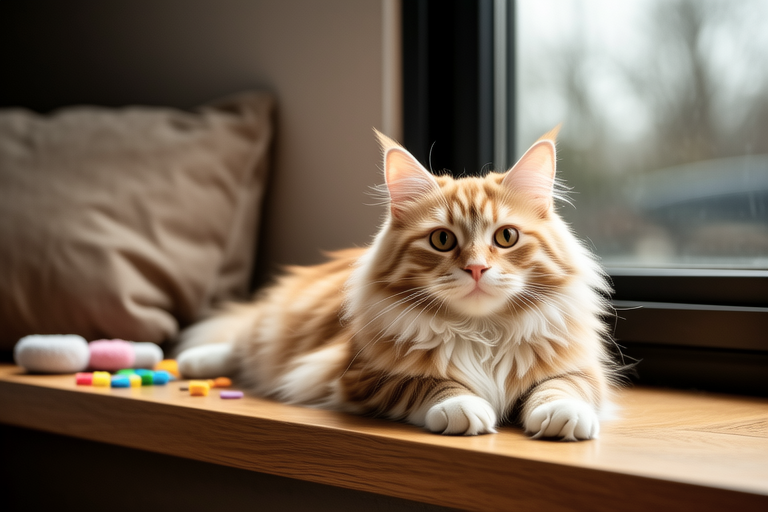
10 Secrets Only Orange Cat Owners Will Understand
Orange cats, with their striking golden coats and playful personalities, are a favorite among cat enthusiasts. Their vibrant fur color often serves as a conversation starter, but it’s the unique quirks and behaviors of these felines that truly set them apart. If you’re an owner of an orange cat, you’ll surely relate to the following secrets that only you can understand.
1. The Mysterious Midnight Stroll
One of the first things you might notice about your orange cat is its nocturnal tendencies. These felines seem to thrive in the dark, often venturing out for midnight strolls when everyone else is asleep. You may find your cat sitting at the window, staring intently at the moon or chasing after shadows. This behavior is not just for fun; it’s deeply rooted in their ancestry. Wild ancestors of domestic cats were crepuscular, meaning they were most active during twilight hours. Your orange cat’s midnight adventures are a testament to this heritage. One night, I found my orange cat, Whiskers, sitting on the windowsill, looking like he was watching over his kingdom. It was both amusing and endearing.
2. The Sunbathing Habit
Orange cats have a special affinity for sunlight, and they will go to great lengths to find the perfect spot to bask. They love to stretch out on warm surfaces, such as sunny windowsills or patches of sunlight on the floor. This preference for warmth is not just for comfort; it’s also linked to their need for vitamin D synthesis. A sunbathing session can be a delightful sight, with your cat’s golden fur glowing under the rays. However, it’s essential to ensure they don’t overheat. Keep a close eye on them during hot summer days and provide shaded areas for breaks. My orange cat, Sunny, would often lie on the kitchen tiles when the sun streamed through the window, completely oblivious to the world around him.
3. The Playful Nature
Orange cats are known for their playful nature, often displaying a kitten-like exuberance even as adults. They love to chase toys, pounce on objects, and engage in interactive play with their owners. This playful spirit can sometimes lead to unexpected moments of hilarity. For instance, you might find your cat chasing after a crumpled piece of paper or batting at a feather toy with all its might. Their energy levels can be quite high, so providing plenty of stimulating activities is crucial. One day, my friend’s orange cat, Charlie, got so excited while playing with a laser pointer that he tried to leap onto the ceiling! It was a scene straight out of a comedy sketch.
4. The Affectionate Side
Despite their independent streaks, orange cats can be incredibly affectionate with their owners. They often seek out physical contact, curling up beside you on the couch or nuzzling against your legs. Some may even follow you from room to room, wanting to be part of everything you do. This bond can be particularly strong, making them loyal companions. However, their affectionate nature doesn’t mean they lack boundaries. They still maintain a sense of independence and can become standoffish if their personal space is invaded. My orange cat, Ginger, would always find a way to sit on my lap during movie nights, purring softly as we shared our time together.
5. The Curious Mind
Orange cats are naturally curious creatures, often exploring every nook and cranny of their environment. They are not afraid to investigate new objects, sounds, or smells. This curiosity can lead to some amusing situations. For example, you might find your cat trying to open doors, examining household gadgets, or even attempting to climb the curtains. Their inquisitive nature makes them excellent companions for those who enjoy a bit of adventure in their daily lives. My orange cat, Blaze, once managed to get himself stuck behind the fridge while trying to reach a mysterious noise. It took us quite some time to rescue him, but it was worth the laughter!
6. The Unique Dietary Preferences
Orange cats, like many other cats, have specific dietary needs that can vary based on their individual preferences. While all cats require a balanced diet rich in proteins and fats, some orange cats show a particular fondness for certain flavors or textures. Many orange cats prefer wet food over dry kibble, finding the moisture content more appealing. Additionally, they may have a preference for fish-based or chicken-based diets. Pay attention to your cat’s eating habits and consult with a veterinarian to ensure they receive the best nutrition possible. My orange cat, Luna, would always beg for her favorite canned tuna, and she’d even meow insistently if she didn’t get her usual treat.
7. The Health Concerns
While orange cats are generally healthy, they are prone to certain health conditions that owners should be aware of. One common issue is obesity, which can stem from their tendency to overeat and their lower activity levels compared to their outdoor counterparts. Regular exercise and portion control are essential to keep them in good shape. Another concern is feline hypertrophic cardiomyopathy (HCM), a heart condition that affects some orange cats. Regular check-ups and early detection can help manage this condition effectively. My orange cat, Max, was diagnosed with HCM, but with proper care and medication, he continues to live a happy and healthy life.
8. The Vocal Communication
Orange cats are known for their vocal communication, often expressing themselves through various meows, chirps, and trills. Some owners describe their orange cats as being more talkative than other breeds. They may use different vocalizations to communicate their needs, express excitement, or simply chat with their owners. This vocalization can range from soft coos to loud demands, depending on the situation. My orange cat, Oreo, would chirp excitedly whenever he saw a bird outside the window, as if he wanted to share the discovery with me.
9. The Protective Instinct
Many orange cats display protective instincts towards their owners, especially in the presence of strangers or perceived threats. They may act as guard cats, keeping a watchful eye on their territory and alerting their owners to any unusual activity. This behavior can be comforting for owners, knowing that their feline companion has their back. However, it’s important to ensure that this protective instinct doesn’t turn into aggression. Proper socialization and training can help channel this behavior positively. My orange cat, Shadow, would always stand guard at the door whenever someone unfamiliar approached, giving off a serious yet adorable vibe.
10. The Bonding Moments
The final secret lies in the unique bonding moments shared between orange cat owners and their pets. Whether it’s a quiet evening spent cuddling on the couch, a game of fetch, or simply enjoying each other’s company, these moments create lasting memories. Orange cats have a special way of connecting with their owners, creating a bond that goes beyond mere companionship. These moments of connection are what make owning an orange cat a truly enriching experience. My orange cat, Pepper, once curled up in my arms during a storm, seeking comfort and security. It was one of the most touching and memorable moments we’ve shared.
Owning an orange cat is a unique and rewarding experience filled with love, laughter, and unforgettable moments. From their midnight strolls to their affectionate nuzzles, these felines bring joy and warmth into the lives of their owners. Understanding and appreciating their quirks and behaviors can deepen the bond between you and your orange cat, making every day with them a special one.
