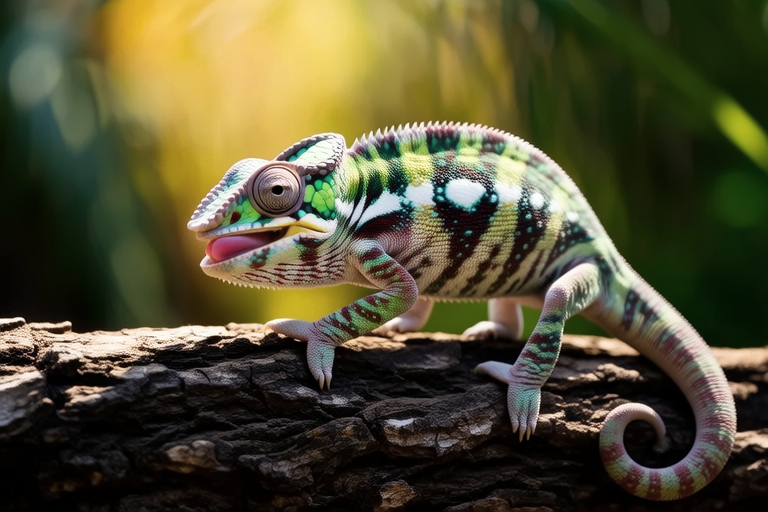
Debunking Common Myths About Chameleons
Chameleons have long captured the imagination of people worldwide. Their unique appearance, coupled with their ability to change color, has made them one of the most fascinating reptiles on the planet. However, many misconceptions exist regarding these captivating creatures. In this article, we will explore some of the most common myths about chameleons and provide scientific explanations to clarify the truth.
The Fascination with Chameleons
Chameleons are known for their distinctive features, including their long tongues, independently rotating eyes, and, of course, their remarkable ability to change color. These traits have made chameleons popular subjects in films, books, and even as pets. The fascination with these creatures dates back centuries, with early explorers documenting their encounters with these colorful reptiles. Despite their popularity, many misconceptions persist, leading to a misunderstanding of chameleon behavior and biology.
Myth 1: Chameleons Change Color Only to Blend in
One of the most widely believed myths about chameleons is that they change color solely to blend into their surroundings. While it’s true that chameleons can alter their color, the primary reason for this behavior is not camouflage but rather communication and thermoregulation.
Scientific research reveals that chameleons change color through specialized cells in their skin called chromatophores. These cells contain pigments that reflect light, allowing the chameleon to display a wide range of colors. The color changes are influenced by various factors, including mood, temperature, and light intensity. For instance, chameleons may turn darker when they feel threatened or stressed, and lighter when they’re relaxed or cooling down. Additionally, males often display vibrant colors during courtship displays to attract mates.
Contrary to popular belief, chameleons don’t frequently change color to match their environment. In fact, their coloration often stands out against their surroundings, making them more visible to predators and prey alike. Instead, their color-changing abilities serve as a vital tool for communication within their species.
Myth 2: Chameleons Can Sleep Hanging Upside Down
Another common misconception about chameleons is their supposed ability to sleep while hanging upside down from branches. This myth likely stems from observations of chameleons resting on thin branches or vines, which might appear precarious to human observers.
In reality, chameleons have a unique toe arrangement that allows them to grip onto narrow surfaces. They possess two sets of toes on each foot, with the inner set forming a group of three toes and the outer set forming another group of two. This arrangement, known as zygodactyl feet, provides a strong grip on vertical surfaces. However, this adaptation does not enable chameleons to sleep upside down.
Chameleons typically rest horizontally on branches, leaves, or other stable surfaces. Sleeping upside down would put unnecessary strain on their bodies and could lead to injury. While they can maintain their grip on vertical surfaces for extended periods, it is not a preferred sleeping position. Instead, chameleons seek comfortable and secure locations for rest, ensuring they are safe and well-supported.
Myth 3: Chameleons Prefer Living in Groups
Many people assume that chameleons are social animals that thrive in groups, similar to some other reptile species. However, this couldn’t be further from the truth. Chameleons are solitary creatures by nature and prefer to live alone.
Chameleons are territorial animals, and interactions between individuals can lead to aggressive behavior. Males, in particular, are highly competitive and will defend their territory against intruders. Aggression can manifest through physical confrontations, head bobbing, and color displays. These behaviors are part of their natural instinct to establish dominance and secure resources.
Female chameleons also exhibit territorial tendencies, especially during breeding seasons. They may become defensive and hostile towards other females to protect their nesting sites and ensure the survival of their offspring. Given their solitary and territorial nature, housing multiple chameleons together can lead to stress, injury, and even death.
It’s essential to understand that chameleons are not social animals and should be kept individually to prevent conflict and promote their well-being. Providing each chameleon with its own enclosure ensures a peaceful and healthy environment.
Tips for Responsible Ownership and Care
For those considering chameleons as pets, it’s crucial to approach ownership with responsibility and knowledge. Understanding the unique needs of these reptiles is key to providing them with a happy and healthy life.
- Proper Housing: Chameleons require spacious enclosures that mimic their natural habitats. A minimum of 4 square feet of floor space is recommended for adult chameleons. The enclosure should include climbing structures, branches, and foliage to allow for ample movement and exploration.
- Temperature and Humidity: Maintaining the appropriate temperature and humidity levels is vital for chameleon health. Daytime temperatures should range between 75°F and 90°F (24°C to 32°C), with a basking spot reaching up to 95°F (35°C). Nighttime temperatures can drop slightly, but should not fall below 65°F (18°C). Humidity levels should be kept around 50% to 70%, with regular misting to ensure proper hydration.
- Diet: Chameleons are insectivores and require a varied diet to meet their nutritional needs. Feeding them a mix of crickets, mealworms, and waxworms is recommended. It’s important to gut-load insects with nutritious food before offering them to your chameleon. Supplementing their diet with vitamins and minerals is also essential for overall health.
- Lighting: Providing adequate lighting is crucial for chameleons, as they rely on UVB radiation for calcium metabolism and vitamin D synthesis. Full-spectrum UVB bulbs should be placed at the top of the enclosure, ensuring the chameleon can bask under them. Regular exposure to natural sunlight, if possible, is beneficial for their well-being.
- Behavioral Enrichment: Chameleons are intelligent creatures that benefit from environmental enrichment. Offering them new toys, hiding spots, and rearranging their enclosure periodically can stimulate their minds and keep them engaged.
By following these guidelines, you can ensure that your chameleon thrives in captivity. Remember that chameleons have specific requirements that differ from other reptile species, so it’s essential to conduct thorough research and consult with experienced breeders or veterinarians.
Conclusion
Chameleons are truly remarkable creatures, but many misconceptions surround their behavior and biology. By understanding the truth behind these myths, we can appreciate chameleons for the unique and fascinating animals they are. Their color-changing abilities, zygodactyl feet, and solitary nature all contribute to their distinctiveness. As potential or current owners, it’s our responsibility to provide chameleons with the care and attention they need to thrive. With proper knowledge and dedication, you can enjoy a rewarding relationship with these captivating reptiles.
